

When searching for reliable scrap metals recycling Maribyrnong services, it is essential to understand the full lifecycle of the materials you handle. Maribyrnong, located in the heart of Melbourne’s industrial corridor, serves as a critical hub for the circular economy. By choosing to recycle rather than discard, businesses and individuals contribute significantly to the preservation of natural resources and energy efficiency. Whether you are managing industrial waste or clearing out a domestic shed, knowing how to categorize your metals is the first step toward turning waste into profit. Our platform provides the tools you need to navigate this industry, whether you are interested in Scrap Trading Vs Recycling Business models or simply looking for a reputable facility. If you are located in nearby industrial zones, you might also be interested in our dedicated resources for scrap metals recycling derrimut or scrap metals recycling tottenham to ensure you are getting the best service in the Western suburbs.
Understanding Metal Grades and Classification
The value of your scrap depends heavily on how accurately you can classify it. In the world of scrap metals recycling Maribyrnong, metals are broadly split into two categories: ferrous and non-ferrous. Ferrous metals contain iron, such as steel and cast iron, and are generally magnetic. These are used extensively in construction, automotive manufacturing, and heavy machinery. While they are abundant, they often fetch a lower price per kilogram compared to their non-ferrous counterparts. Non-ferrous metals, which include copper, aluminum, brass, and lead, are highly prized because they do not corrode and can be recycled indefinitely without losing their chemical properties. For a detailed breakdown of how to prepare these materials, refer to our comprehensive guide, Allied Scrap Metal Your Guide To Selling And Recycling Scrap Metals. Copper, for example, is graded based on purity, with ‘bright and shiny’ copper wire being the most valuable. Understanding these nuances allows you to sort your scrap effectively, ensuring you receive the maximum market rate for your efforts. If you are ready to find a location, you can search for Scrap Metal Recycling Near Me to see facilities closest to your operations in Maribyrnong.
The Mechanics of the Recycling Process
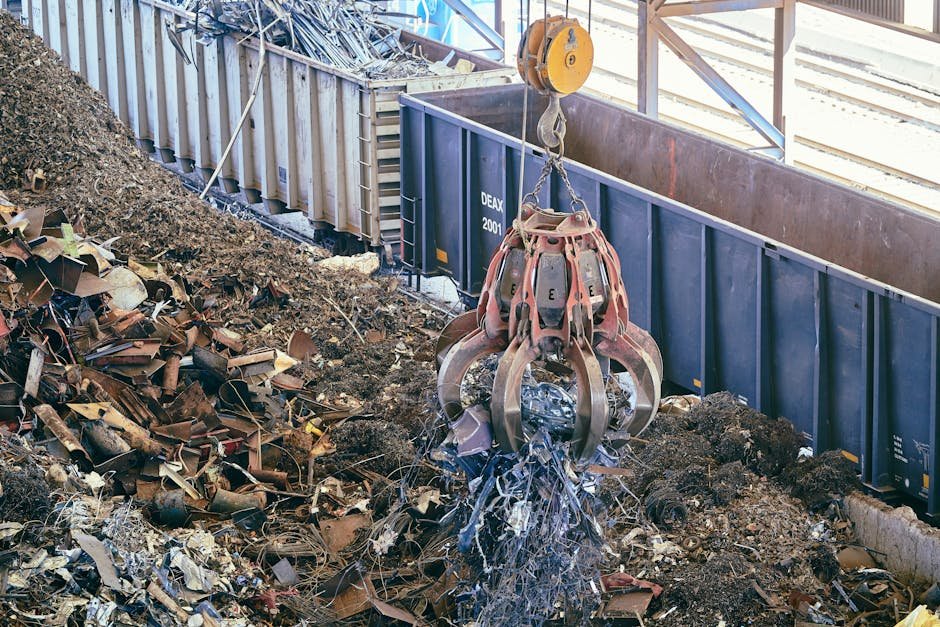
The recycling process is a sophisticated industrial operation designed to transform raw scrap into high-quality feedstock for smelters. Once the scrap reaches a facility, it undergoes a rigorous inspection and weighing process. Large-scale shredders and hydraulic shears are then used to break down bulky items into manageable pieces. Magnetic separators are employed to extract ferrous metals from the mix, while eddy current separators are used to isolate non-ferrous metals like aluminum from non-metallic materials. This mechanical separation is crucial for purity. Once segregated, the metals are baled or compacted to facilitate efficient transportation to refineries. At the refinery, the metal is melted in high-temperature furnaces and cast into ingots or billets. This process uses significantly less energy than extracting virgin ore from the earth. By participating in this system, you are helping to close the loop on resource consumption. For those looking for a broader overview of the industry, our main portal at Scrap Trade offers extensive resources on market trends and operational standards. Similarly, you can explore professional industry insights at Scraptrade Australia to stay updated on current commodity pricing.
Environmental Benefits of Recycling in Maribyrnong
The environmental impact of recycling scrap metal in Maribyrnong cannot be overstated. Mining for virgin ore is an energy-intensive and environmentally destructive process. It involves massive land clearing, the displacement of wildlife, and significant greenhouse gas emissions. By contrast, recycling metal consumes drastically less energy. For instance, recycling aluminum saves approximately 95% of the energy required to produce it from bauxite ore. Furthermore, recycling reduces the volume of waste sent to landfills, which prevents heavy metals from leaching into the soil and local waterways. In a densely populated and industrial area like Maribyrnong, responsible waste management is a key component of urban sustainability. By diverting scrap from the general waste stream, we reduce the carbon footprint of local manufacturing and construction sectors. This commitment to sustainability is not just good for the planet; it is a vital economic driver that supports local jobs and fosters innovation in material recovery technologies.
Strategic Tips for Maximizing Your Scrap Returns
To get the best value, preparation is everything. First, always sort your materials before you arrive at the weighbridge. Mixing copper pipes with steel or aluminum will inevitably result in a lower price, as the facility will have to spend time and labor separating them. Keep non-ferrous metals clean—remove plastic insulation from copper wires, take off steel attachments from aluminum, and ensure your scrap is free from contaminants like oil, grease, or dirt. Second, keep an eye on market trends. Metal prices fluctuate daily based on global supply and demand. Timing your sales during peak market conditions can lead to significantly higher payouts. Third, build a relationship with your local yard. Regular suppliers often receive better service and more transparent pricing. Finally, safety is paramount. When handling scrap, ensure you are wearing appropriate personal protective equipment (PPE), such as heavy-duty gloves and steel-capped boots, especially when dealing with jagged metal edges or heavy industrial components. By treating your scrap like a commodity rather than trash, you elevate your returns and streamline the recycling process for everyone involved.
The Future of Scrap Metals Recycling
The industry is currently undergoing a digital transformation. Advanced sorting technologies, such as X-ray fluorescence (XRF) and laser-induced breakdown spectroscopy (LIBS), are allowing recyclers to identify alloy compositions with unprecedented accuracy. This technological leap means that even complex scrap, which was previously considered ‘downcycled’ or sent to landfills, can now be recovered and reused in high-end manufacturing. As we move toward a more circular economy, the role of scrap trading platforms becomes increasingly important. By connecting generators of scrap with the most efficient recyclers, we reduce logistics costs and improve the quality of the recovered material. The integration of blockchain and real-time data tracking is also helping to verify the origin and purity of recycled metals, which is becoming a requirement for many global manufacturers. As a resident or business owner in Maribyrnong, you are at the forefront of this shift. Embracing these advanced practices not only benefits your bottom line but also positions your operations as a leader in sustainable resource management.
Navigating Regulations and Compliance
Operating within the scrap metal industry requires adherence to strict environmental and safety regulations. In Victoria, facilities must comply with the Environment Protection Act, which governs how waste is stored, transported, and processed. This includes managing potential runoff, noise pollution, and dust emissions. For individuals and small businesses, compliance means ensuring that you are selling to licensed facilities that operate ethically. Illegal dumping or selling to unlicensed “backyard” operators can lead to significant legal liabilities and environmental harm. Always ask for documentation or weighbridge dockets when you sell your scrap. These documents are not only proof of sale but also serve as a record of your contribution to the recycling economy. If you are unsure about the legitimacy of a facility, check their accreditation and ensure they follow standard industry practices. By working with reputable partners, you ensure that your scrap metal is handled in a way that respects the community and the environment, upholding the integrity of the recycling industry in the Maribyrnong region.
Conclusion: Your Role in the Circular Economy
Scrap metals recycling Maribyrnong is more than just a way to make money; it is a fundamental pillar of modern environmental stewardship. Every kilogram of metal that is recycled is a kilogram that doesn’t need to be mined from the earth. As we have explored, the process is sophisticated, the benefits are immense, and the potential for optimization is significant. By understanding the grades of metal, preparing your materials correctly, and choosing to work with professional recyclers, you are actively participating in a global movement toward sustainability. Whether you are a large-scale industrial operator or a homeowner with a few old appliances, your actions matter. We encourage you to continue learning about the industry, monitor market fluctuations, and always prioritize safety and compliance. By doing so, you contribute to a cleaner, more efficient, and more prosperous future for Maribyrnong and beyond.
Frequently Asked Questions
What is the most valuable scrap metal I can recycle?
Generally, copper is the most valuable scrap metal due to its high demand in electrical and plumbing industries. Clean, bright, and shiny copper wire typically fetches the highest price per kilogram.
Do I need to clean my scrap metal before bringing it to a facility?
Yes, cleaning your scrap significantly increases its value. Removing contaminants like plastic, rubber, insulation, and dirt ensures the material is classified at a higher grade, saving the recycler time and labor.
Why are ferrous and non-ferrous metals treated differently?
Ferrous metals contain iron and are magnetic, making them easier to separate but generally less valuable. Non-ferrous metals like copper, aluminum, and brass do not contain iron and are more valuable because they can be infinitely recycled without losing their properties.
How do I know if a scrap metal recycler is legitimate?
A legitimate recycler should be transparent about their pricing, provide weighbridge dockets for every transaction, and operate in compliance with local environmental and safety regulations. You can check for industry certifications or visit their facility to ensure they follow professional standards.