
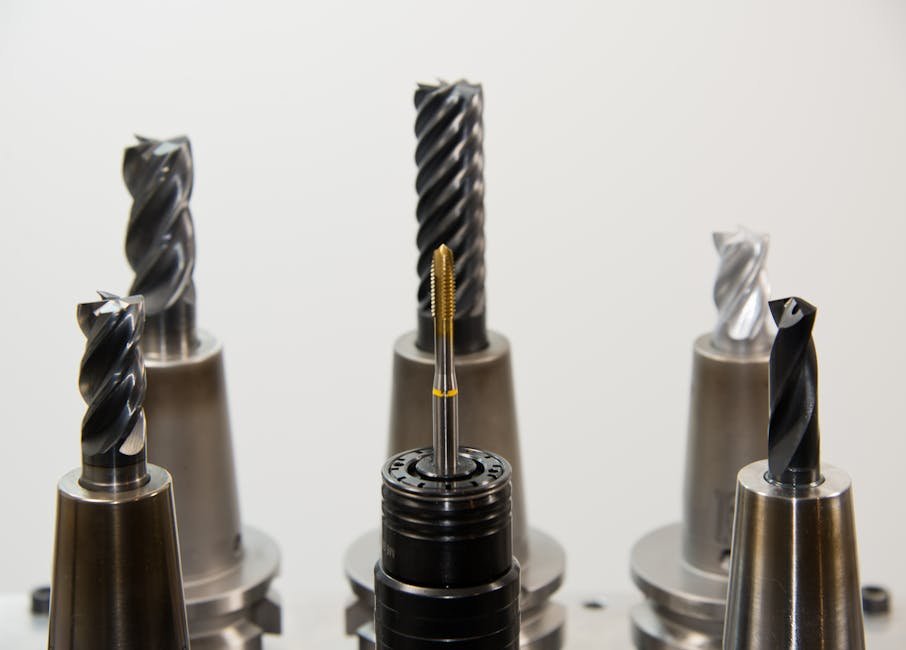

Understanding the intricacies of carbide inserts recycling is essential for any industrial workshop, machine shop, or metal fabrication business looking to maximize their bottom line. Because tungsten carbide is a finite and expensive resource, recycling these inserts is not just an environmental imperative; it is a smart financial strategy. In this comprehensive guide, we explore the lifecycle of carbide, the nuances of market pricing, and how you can effectively manage your scrap inventory to ensure you are getting the best market value.
The Value Proposition of Tungsten Carbide
Tungsten carbide, often referred to as cemented carbide, is a composite material consisting of hard particles of tungsten carbide bonded together by a metallic binder, usually cobalt. This unique combination gives the material its legendary hardness, heat resistance, and durability, making it the industry standard for cutting tools, drill bits, and milling inserts. Because the mining and processing of virgin tungsten are energy-intensive and geographically concentrated, the secondary market for recycled carbide is robust. When you engage in carbide inserts recycling, you are participating in a circular economy that reduces the need for new mining operations while providing high-quality raw materials back to manufacturers.
For businesses in the manufacturing sector, accumulating these inserts can lead to significant revenue. Unlike mild steel or aluminum, which command lower prices per kilogram, tungsten carbide holds a high intrinsic value due to its cobalt content. If you are currently throwing these inserts into the general scrap bin, you are effectively discarding cash. By implementing a dedicated collection system, you can turn a waste stream into a secondary income source. For more detailed steps on how to maximize your returns, our guide on Carbide Recycling How To Recover Sell And Profit provides actionable strategies for your facility.
Identifying and Sorting Your Scrap
The success of your recycling efforts depends entirely on your ability to sort materials correctly. Not all carbide is created equal. Different grades of inserts contain varying percentages of cobalt and other trace elements like tantalum, titanium, or niobium. Recyclers pay based on the chemical composition of the scrap. Mixing high-grade inserts with low-grade or contaminated materials will significantly lower the valuation of your entire batch.
To begin, you must separate your carbide from other materials. Common contaminants include steel shanks, aluminum bodies, and ceramic inserts. While some recyclers may accept “mixed” loads, you will always receive a better price for clean, sorted material. Use magnets to your advantage; tungsten carbide is generally non-magnetic or only weakly magnetic, whereas many common steel contaminants are strongly magnetic. If you find yourself struggling to identify your scrap, connecting with our Recycling Community can provide you with insights from other professionals who deal with these materials daily.
The Broader Context of Industrial Recycling
While carbide is a specialized segment, it exists within the wider ecosystem of metal recovery. Many businesses that generate carbide scrap also deal with other industrial metals, such as high-speed steel (HSS), copper, and brass. In the context of Australia’s industrial landscape, businesses are increasingly looking for a Scrap Metal Recycling Near Me solution that can handle a diverse range of materials. Managing your waste comprehensively ensures that your facility remains compliant with environmental regulations while optimizing logistics.
Furthermore, the automotive sector plays a massive role in the volume of scrap metals generated across the country. When considering the lifecycle of heavy machinery and the vehicles that transport them, we must look at carbide inserts recycling in tandem with other processes. For instance, the dismantling of end of life vehicle (ELV) units often involves specialized tools that eventually become scrap. Whether you are dealing with auto parts or heavy-duty industrial tooling, the principles of segregation and cleanliness remain the same. For those interested in the broader scope of metal reclamation, you can learn more about carbide recycling through our dedicated portal.
Market Trends and Pricing Factors
The scrap price for carbide inserts is influenced by global supply and demand dynamics, particularly the price of tungsten concentrate on the London Metal Exchange. Because cobalt is a strategic metal, its price can also fluctuate based on geopolitical events and the demand for electric vehicle batteries. As a seller, it is important to understand that your recycler’s offer is a reflection of these global indices minus their processing and refining costs.
To get the best price, you should track market trends and establish a relationship with a reputable buyer. Avoid the temptation to sell to “middlemen” who take an excessive cut. Instead, look for direct relationships with refineries or large-scale processors. Keep in mind that volume matters; larger, consistent shipments are more attractive to buyers and can often be negotiated at a higher rate per kilogram. Always request a clear breakdown of how your material was weighed and graded to ensure transparency in the transaction.
Logistics and Handling for Industrial Operations
Once you have established a collection protocol, you need to manage the logistics of storage and transport. Carbide is dense; a small bucket can weigh significantly more than expected. Ensure that your storage containers are robust enough to handle the weight and that they are clearly labeled to prevent accidental contamination by staff. If you are operating a large facility, consider using heavy-duty steel drums or palletized containers that can be easily moved with a forklift.
For those managing large volumes, logistics costs can eat into your margins. Consolidating your scrap across multiple sites or waiting until you have a full pallet can reduce the cost-per-tonne of transport. If you are looking for professional advice on how to manage these logistics, you can visit Scrap Trade Australia for expert guidance on industrial metal management. They provide the resources needed to streamline your recycling operations and ensure that your scrap reaches the right destination efficiently.
Environmental Impact and Sustainability
The environmental case for recycling is clear. Tungsten is a rare earth element, and its extraction is associated with significant environmental degradation, including habitat destruction and groundwater pollution. By recirculating existing carbide back into the manufacturing chain, we significantly reduce the energy footprint of new tool production. This is a critical component of the modern industrial sustainability mandate.
Beyond the environmental benefits, there is a reputational advantage. Many Australian companies are now required to report on their waste management practices as part of their ESG (Environmental, Social, and Governance) commitments. Having a robust recycling program for your carbide inserts demonstrates a commitment to sustainable operations, which can be a valuable point of differentiation when bidding for contracts with larger, sustainability-conscious manufacturers. It positions your business as a responsible steward of resources, which is increasingly important in today’s market.
Integration with Vehicle Recycling and ELVs
The intersection of industrial scrap and automotive recycling is a growing area of interest. As the industry moves toward more efficient vehicle recycling, the recovery of high-value alloys from car wreckers becomes increasingly important. Many of the tools used in car wrecking yards—such as heavy-duty saws, grinders, and drill bits—are tipped with carbide. When these tools reach their end of life, they should be channeled into the same recycling streams as production-grade carbide.
By integrating your carbide recovery with your broader metal management strategy, you create a more efficient operation. When a vehicle is processed, the separation of high-value materials like carbide from the bulk ferrous scrap found in an ELV ensures that you are not losing money on high-value components. This holistic approach to scrap management is what separates top-tier operators from the rest of the pack. If you are involved in the automotive industry, ensuring that your tools and components are properly recycled is a simple way to boost your bottom line.
Best Practices for Long-Term Success
To ensure long-term success, you must treat your scrap metal as a product rather than a waste item. This mindset shift is the most important step in improving your returns. Maintain clean, dry, and well-organized storage areas. Keep detailed records of your scrap sales, including dates, weights, and the prices received. This data will help you identify trends in your own waste generation and allow you to optimize your collection cycles.
Finally, stay connected. The recycling industry is constantly evolving, with new technologies for refining and separating alloys emerging regularly. By staying informed through resources like our official scrap trading platform, you can adapt your processes to take advantage of new market opportunities. Whether it is a change in the price of cobalt or a new method for identifying tool grades, staying ahead of the curve is the key to maintaining a profitable recycling operation.
Conclusion
Recycling carbide inserts is a sophisticated process that requires attention to detail, a solid understanding of market dynamics, and a commitment to operational efficiency. By treating your scrap as a valuable commodity, you can transform a necessary business expense into a consistent revenue stream. From sorting your materials correctly to leveraging the right industry connections, the steps outlined in this guide provide a roadmap for success in the Australian market. Remember that every kilogram of carbide you recycle contributes to a more sustainable industrial future and a more profitable business model. Start by auditing your current scrap output today and take the first step toward reclaiming the value hidden in your workshop.
Related: scrap price for carbide inserts
Frequently Asked Questions
How can I tell if my scrap is tungsten carbide?
Tungsten carbide is extremely dense and typically non-magnetic. If you use a magnet, it should not stick to the carbide, and the material will feel significantly heavier than steel of the same size.
Does the grade of the carbide insert affect the price?
Yes, significantly. Different grades contain varying amounts of cobalt, tantalum, and other alloys, which dictates the refining process and the final market value of the recovered metals.
Should I clean my carbide inserts before selling them?
Absolutely. Removing steel screws, clamps, and other contaminants will ensure you receive the highest possible price, as recyclers will not have to deduct costs for processing or manual separation.
How often should I sell my carbide scrap?
While you can sell whenever you reach a significant weight, many businesses choose to wait for favorable market conditions or until they have enough volume to minimize shipping costs per unit.