
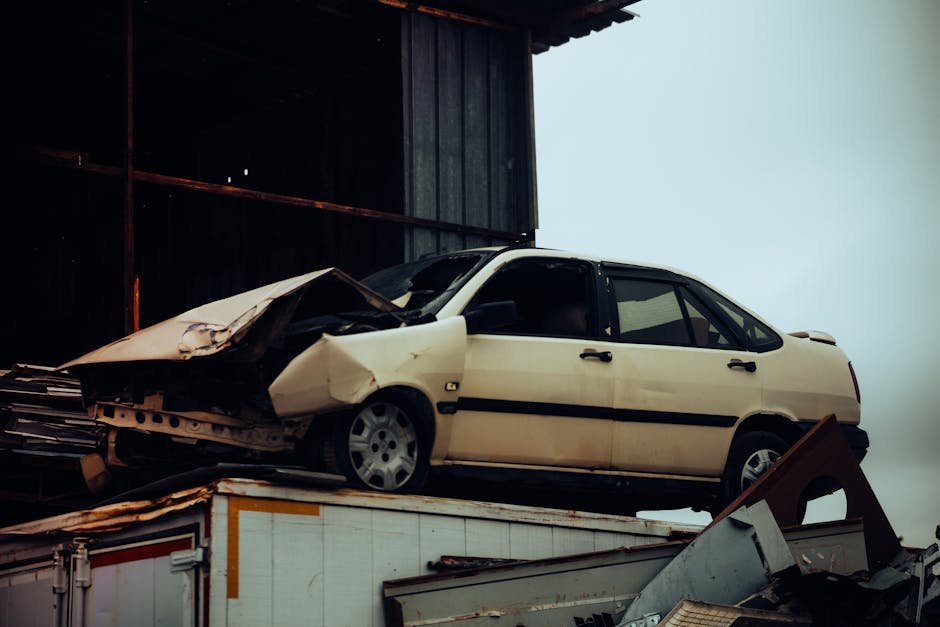

When you are looking for professional scrap car removal macquarie fields services, understanding the full lifecycle of your vehicle is essential for both financial gain and environmental stewardship. Whether your vehicle is a non-runner, accident-damaged, or simply an old model that has reached the end of its road, the process of recycling ensures that hazardous materials are contained while valuable metals are returned to the manufacturing supply chain. Navigating the local market requires knowledge of how to properly prepare your vehicle and which components hold the most weight in the current commodities market.
Understanding the Lifecycle of an End of Life Vehicle (ELV)
An end of life vehicle (ELV) is defined as a car that is no longer roadworthy or has been discarded by its owner. In the context of scrap car removal macquarie fields, the journey of an ELV is a highly regulated and systematic process. Once a vehicle arrives at a facility, it undergoes a process known as depollution. This involves the safe removal and disposal of hazardous fluids, including engine oil, transmission fluid, brake fluid, coolant, and battery acid. These substances, if left in the environment, can contaminate soil and water tables, which is why professional handling is non-negotiable.
After the vehicle is depolluted, it is stripped of its high-value components. This includes the catalytic converter, which contains precious metals like platinum, palladium, and rhodium. Furthermore, the battery and tires are removed for specialized recycling. By choosing a reputable service, you ensure that your vehicle does not end up in a landfill, but rather contributes to a circular economy. If you are curious about the logistics of the process, our guide on Scrap Metal Removal How To Dispose Sell And Maximize Value provides a detailed breakdown of how to prepare your assets for the best return.
Grades of Scrap: What Makes Your Car Valuable?
Not all scrap metal is created equal. When evaluating your vehicle, recyclers categorize materials based on their purity, density, and current market demand. Understanding these grades can help you negotiate better rates when seeking scrap car removal macquarie fields. The primary grades found in a vehicle include:
- Ferrous Metals: This includes the body shell, frame, and chassis. These are primarily steel and are recycled in massive quantities. While the price per tonne is lower than non-ferrous metals, the sheer volume makes the body of the car a significant part of the total value.
- Non-Ferrous Metals: These are the “gold mines” of vehicle recycling. Aluminum, copper wiring, and brass radiators are highly sought after. For instance, if you have a vehicle with a high-grade engine, you should check our guide to Sell Aluminum Engine Scrap Car Truck Engines 2026 Guide to understand how to separate these components for maximum profit.
- Catalytic Converters: These are often treated as a separate category due to the precious metals inside. They are typically weighed and priced based on the specific model and current market prices for platinum group metals.
By identifying these grades, you can better understand why some buyers offer more than others. It is all about the efficiency of their downstream processing and their ability to extract these specific materials.
Vehicle Recycling: The Environmental Impact
The environmental benefits of vehicle recycling are profound. Every tonne of steel recycled saves over a tonne of iron ore, 630 kg of coal, and 55 kg of limestone. When you utilize a professional service, you are directly contributing to a reduction in the energy-intensive process of mining and refining raw materials. Vehicle recycling also prevents the leakage of toxic chemicals into the Macquarie Fields ecosystem. Modern wrecking yards are equipped with specialized equipment to capture heavy metals and hydrocarbons, ensuring that the recycling process is as clean as possible.
Furthermore, the reuse of auto parts is a key pillar of sustainable transport. Many components, such as alternators, starter motors, and body panels, can be refurbished and reused, extending their life and reducing the demand for new, energy-intensive manufacturing. If you are debating whether to sell your car as a whole or strip it for parts, our Sell Car Scrap For Parts Vs Whole Value Comparison 2026 Guide will assist you in making an informed financial decision.
How Car Wreckers Operate in the Modern Market
Modern car wreckers are far more than just junkyards. They are sophisticated processing centers that utilize advanced technology to maximize recovery rates. When you contact a service for cash for scrap cars macquarie fields, you are tapping into a network that tracks global metal prices in real-time. These facilities use hydraulic shears to cut vehicles into manageable pieces and magnetic separators to pull ferrous metals from non-ferrous materials automatically.
If you are located in other regions, you might also be interested in services like scrap car removal roseneath, which operates with the same professional standards. The goal of these facilities is to reach a near-zero waste output, where almost every gram of the vehicle is repurposed. By choosing a facility that is transparent about their recycling methods, you ensure that your vehicle is handled ethically and efficiently.
Maximizing Your Return: Practical Tips
To get the most out of your scrap car, preparation is key. First, ensure you have the necessary documentation, such as the proof of ownership, as reputable recyclers will always require this to prevent the trade of stolen vehicles. Second, remove any personal items from the glove box, trunk, and under the seats. It is surprising how many valuables are left behind in cars destined for the shredder.
Third, consider the time of year. Scrap metal prices fluctuate based on global demand, particularly from manufacturing hubs. While you cannot always time the market, being aware that prices change can help you decide when to pull the trigger on a sale. For those looking for a comprehensive trading platform, you can visit the Scrap Trade platform for up-to-date market insights. Additionally, for localized services across the country, the Scrap Trade Australia portal offers a wealth of resources for both individuals and commercial scrap collectors.
The Future of Vehicle Recycling
As we move toward 2026 and beyond, vehicle recycling is becoming increasingly complex due to the rise of electric vehicles (EVs). EVs contain lithium-ion batteries that require specialized handling and recycling protocols. The industry is currently investing heavily in battery recovery technology to ensure that the valuable cobalt, nickel, and lithium are not lost. As a consumer, being aware of these shifts is important. If you own an older vehicle, the standard recycling methods are sufficient, but as the market shifts, the value of certain components will change significantly.
Safety and Compliance in Scrap Removal
Compliance is the backbone of the scrap metal industry. In New South Wales, there are strict regulations regarding the disposal of vehicles. A legitimate service will provide you with a receipt and, in many cases, a certificate of destruction. This is your proof that the vehicle has been legally processed. Never engage with “backyard” operators who offer cash without asking for identification or vehicle details. This not only risks your legal standing but also increases the likelihood that your vehicle will be disposed of in an environmentally hazardous manner.
Frequently Asked Questions
What documents do I need for scrap car removal?
You will typically need a valid form of photo identification and proof of ownership, such as your registration papers or a transfer of title document. These are essential for the recycler to comply with local laws and prevent the processing of stolen vehicles.
Does the condition of the car affect the scrap price?
Yes, while the base value is determined by the weight and the type of metal, a car that is complete (with the engine, catalytic converter, and battery intact) will fetch a higher price than a stripped shell. If you have already removed parts, disclose this to the buyer beforehand to ensure an accurate quote.
How long does the removal process take?
Once you have accepted a quote, the physical removal can often be scheduled within 24 to 48 hours. The actual loading and transport process usually takes less than an hour, provided the vehicle is accessible to the tow truck.
Are there any hidden fees for car removal?
Reputable companies generally offer free removal as part of the deal, especially if the vehicle still has its primary metal components. Always clarify if the quoted price is the final amount you receive or if there are any towing or administrative deductions before the truck arrives.
Conclusion
Navigating the world of scrap car removal macquarie fields does not have to be a daunting task. By understanding the grades of metal, the importance of depollution, and the environmental benefits of recycling, you can turn an old, unwanted vehicle into a profitable asset while doing your part for the planet. Whether you are looking to sell a single car or manage a fleet of end-of-life vehicles, the key is to work with professional, compliant, and transparent recyclers. Always refer back to resources like our cash for scrap cars macquarie fields page to stay updated on the best local practices and pricing strategies. By taking these steps, you ensure that your vehicle’s final journey is a sustainable one that benefits both your wallet and the environment.
The industry is constantly evolving, with new technologies making the recovery of materials more efficient than ever before. As global demand for recycled aluminum and steel continues to rise, the value of your scrap car remains a significant factor in the broader industrial economy. Keep your documentation in order, prepare your vehicle by removing personal belongings, and choose a partner who values environmental compliance as much as you do. With the right approach, you can maximize your return and contribute to a cleaner, more sustainable future for Macquarie Fields and beyond.
Remember that the scrap industry is a vital part of the Australian economy. By recycling your vehicle, you are participating in a massive effort to reduce waste and conserve energy. From the smallest copper wire to the heaviest steel frame, every part of your car has a second life waiting for it. Make sure you choose the right path for your end-of-life vehicle and enjoy the peace of mind that comes with professional, reliable service.
Finally, always keep an eye on market trends. Metal prices are driven by global manufacturing cycles, and the more you know about what your car is made of, the better you can negotiate. Whether it is the aluminum in your engine block or the steel in your chassis, your vehicle is a collection of valuable resources. Treat the disposal process as a business transaction, and you will find that the rewards are well worth the effort. For any further questions or to find a buyer, our platform remains your go-to resource for all things scrap metal.
Frequently Asked Questions
What documents do I need for scrap car removal?
You will typically need a valid form of photo identification and proof of ownership, such as your registration papers or a transfer of title document. These are essential for the recycler to comply with local laws and prevent the processing of stolen vehicles.
Does the condition of the car affect the scrap price?
Yes, while the base value is determined by the weight and the type of metal, a car that is complete (with the engine, catalytic converter, and battery intact) will fetch a higher price than a stripped shell. If you have already removed parts, disclose this to the buyer beforehand to ensure an accurate quote.
How long does the removal process take?
Once you have accepted a quote, the physical removal can often be scheduled within 24 to 48 hours. The actual loading and transport process usually takes less than an hour, provided the vehicle is accessible to the tow truck.
Are there any hidden fees for car removal?
Reputable companies generally offer free removal as part of the deal, especially if the vehicle still has its primary metal components. Always clarify if the quoted price is the final amount you receive or if there are any towing or administrative deductions before the truck arrives.