
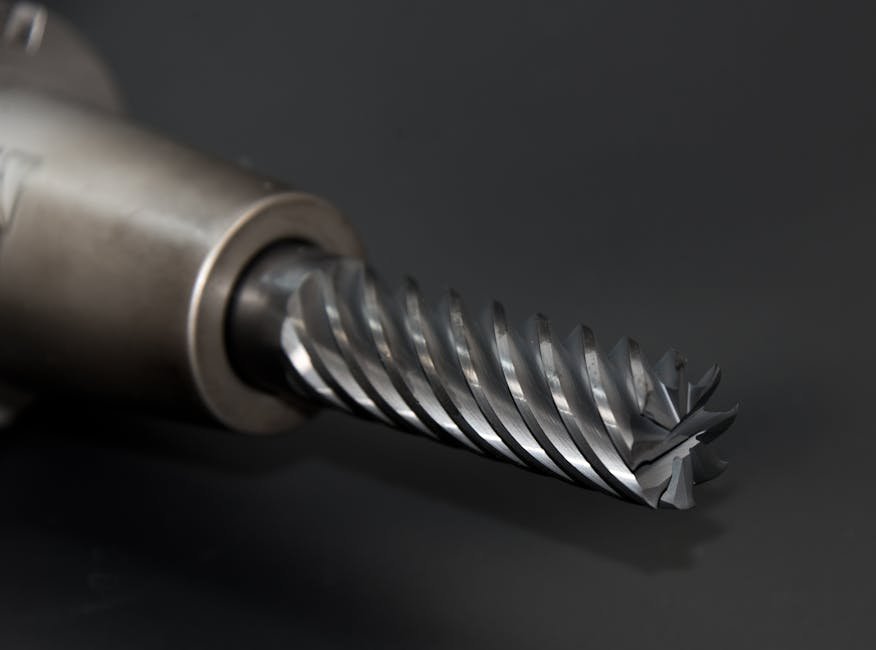

Navigating the complex world of industrial metal recycling requires a clear understanding of the carbide bit scrap price. Tungsten carbide, often referred to as ‘hard metal,’ is a critical industrial commodity used extensively in mining, drilling, and machining. Because it contains high concentrations of tungsten—a rare and valuable refractory metal—it holds significant intrinsic value even at the end of its functional life. For businesses looking to optimize their operational costs, understanding how to value and sell this material is essential. Whether you are dealing with worn-out drilling bits from mining operations or machining inserts from a manufacturing facility, the current carbide bit scrap price serves as a benchmark for your bottom line.
Understanding the Market: How Carbide Bit Scrap Price is Determined
The valuation of tungsten carbide is not arbitrary; it is a sophisticated calculation based on the global commodities market. Unlike common steel, which is priced based on volume and weight, carbide is valued for its chemical composition. The primary driver of the carbide bit scrap price is the spot price of tungsten trioxide (WO3) and cobalt. Tungsten is a finite resource, and its extraction is energy-intensive, making recycled carbide a highly sought-after secondary raw material.
When you look at scrap carbide price trends, you are essentially observing the interplay between supply chain stability and industrial demand. If the automotive sector is booming, the demand for cutting tools increases, which in turn spikes the value of recycled carbide. Conversely, when mining activity slows, the supply of used bits may decrease, creating a localized price floor. To stay ahead, investors and site managers should consult our Scrap Price Forecast Guide to understand long-term cycles rather than just reacting to daily fluctuations.
Furthermore, the physical state of the scrap matters. Clean, sorted carbide—free of brazing material, steel shanks, or excessive oxidation—will always command a premium. When assessing your inventory, always account for the ‘yield’—the percentage of actual tungsten carbide that can be recovered during the reclamation process. If you are preparing large shipments for international buyers, refer to our guide on How To Price Scrap For Export Markets to ensure your logistics costs do not erode your profit margins.
Grades and Composition: What Makes Carbide Valuable
Tungsten carbide is not a single material; it is a composite. The most common form is tungsten carbide particles bonded together by a metallic binder, usually cobalt. The ratio of tungsten to cobalt is the primary factor in determining the grade of the scrap.
- Mining Grade: Often contains higher cobalt content to provide the toughness required for rock drilling.
- Machining Grade: Usually has lower binder content, focusing on extreme hardness for cutting steel or exotic alloys.
- Pure Carbide: This refers to inserts and bits that have been removed from their steel holders.
It is important to distinguish between pure carbide and composite scrap. For example, if you are working with scrap price for carbide inserts, you are dealing with a high-purity product that is easy to process. However, if your scrap includes attached steel components, the value drops significantly because the recycler must factor in the cost of separation. In the broader context of metal recycling, we often see carbide mixed with other industrial materials. While you might be looking for carbide prices, don’t ignore other high-value streams; for instance, checking the current Stainless Steel Scrap Price can often reveal additional value hidden in your scrap pile.
The Recycling Process: From Waste to Raw Material
The recycling of tungsten carbide is a marvel of modern chemical engineering. Unlike melting down aluminum or copper, recycling carbide requires a more nuanced approach. The most common method is the ‘zinc process,’ where the scrap is treated with molten zinc to break the cobalt binder, allowing the tungsten carbide particles to be recovered and reused to create new tools.
This circular economy model is vital for the Australian industry. By recycling, we reduce the need for virgin tungsten mining, which is environmentally destructive and resource-heavy. When you partner with a reputable platform like Scrap Trade, you are contributing to a sustainable supply chain. Our partners utilize advanced recovery techniques that ensure maximum yield, which allows us to offer more competitive rates. For those in the heavy machinery sector, particularly those involved in Australian metal recycling services, integrating carbide recovery into your waste management plan is not just an environmental choice—it is a financial imperative.
Environmental Benefits and Industrial Sustainability
The environmental footprint of mining tungsten is significant. It involves open-pit mining, chemical leaching, and massive energy consumption. By recycling carbide bits, we essentially ‘mine’ our own waste. This process uses a fraction of the energy required to produce virgin tungsten. Furthermore, it prevents heavy metals from entering landfills, where they could potentially leach into groundwater.
In the context of the automotive industry, where end of life vehicle (ELV) processing is becoming increasingly regulated, the recovery of specialized alloys is a top priority. While many people focus on auto parts like engines and transmissions, the vehicle recycling sector also produces significant amounts of high-speed steel and carbide tooling used in car manufacturing plants. Car wreckers and industrial recyclers who prioritize the recovery of these high-value alloys are leading the charge in sustainable manufacturing. When you track metal prices today, you are tracking the health of this circular economy. The more efficiently we recycle, the more stable the supply chain becomes, which eventually stabilizes the current scrap prices for everyone involved.
Factors Affecting Cost: Why Prices Fluctuate
Several variables cause the market value of carbide to shift. Understanding these will help you time your sales for maximum profit:
- Global Demand: The aerospace and automotive industries are the largest consumers of tungsten carbide. When these sectors contract, demand for new tooling drops, and the value of scrap often follows.
- Currency Exchange: Since tungsten is traded globally in USD, the strength of the Australian Dollar (AUD) directly impacts the price per kg you receive locally.
- Logistics and Freight: Because carbide is extremely dense, it is heavy to transport. High fuel costs can eat into the margins of scrap dealers, which is reflected in the price they offer you.
- Purity Levels: Contamination is the enemy of value. Even a small amount of steel, brazing, or ceramic coating can downgrade a batch of carbide from ‘premium’ to ‘mixed,’ significantly lowering the offer.
To maximize your returns, always sort your scrap at the source. Do not mix carbide with high-speed steel or general scrap metal. Keep your grades separated. If you have a large volume of high-purity mining bits, contact a specialist recycler rather than a general scrap yard, as they will have the infrastructure to process the material more efficiently and pass those savings on to you.
Strategic Sourcing and Long-Term Value
For industrial businesses, scrap management should be treated as a revenue stream, not a waste disposal cost. By implementing a ‘cradle-to-grave’ tracking system for your cutting tools, you can ensure that you are capturing the maximum value from your carbide inventory. This involves training staff to identify the difference between carbide and steel, providing dedicated storage bins, and regularly reviewing the market to decide when to sell.
Many businesses make the mistake of selling their scrap whenever the bin gets full. However, by monitoring the scrap price for carbide inserts and other grades, you can choose to hold your stock during market dips and sell during spikes. This active management approach is what separates high-performing industrial operations from those that leave money on the table. Remember, in the world of metal trading, information is as valuable as the metal itself. Use our resources to stay informed and treat your scrap pile as a strategic asset.
Conclusion: Optimizing Your Carbide Recycling Strategy
The carbide bit scrap price is a reflection of global industrial health, material scarcity, and the efficiency of the recycling chain. By understanding the grades, the environmental impact, and the factors that drive price volatility, you can transform your waste management process from a burden into a profitable venture. Whether you are a mining operation, a machining shop, or a scrap dealer, the key to success lies in purity, sorting, and market timing.
As Australia continues to move toward a more circular economy, the value of recycled tungsten carbide will only grow. Ensure you are working with transparent, expert partners who provide fair valuation based on current market data. By staying educated on metal prices today and utilizing the right recycling channels, you ensure that your business remains both environmentally responsible and financially robust. For ongoing updates and expert insights into the scrap market, continue to utilize our platform as your primary resource for all things related to industrial metal recycling.
Frequently Asked Questions
How should I store my carbide scrap to get the best price?
Keep your carbide scrap in clean, dry containers and ensure it is free from contaminants like steel, ceramic, or brass. Sorting your carbide by grade—such as separating mining bits from machining inserts—will significantly increase your potential payout.
Does the price of carbide change daily?
Yes, like most commodities, the carbide bit scrap price can fluctuate based on global demand, currency exchange rates, and the spot price of tungsten and cobalt. It is advisable to check current market rates before scheduling a large shipment.
Why is cobalt content so important in carbide pricing?
Cobalt acts as the binder that holds the tungsten carbide particles together; because cobalt itself is a high-value, volatile commodity, the specific percentage of cobalt in your scrap directly influences the final valuation of the material.
Can I mix different types of carbide scrap together?
While you technically can, it is highly discouraged if you want the best price. Mixing high-grade machining inserts with lower-grade mining bits will usually result in the entire batch being valued at the lower grade, costing you significant profit.