
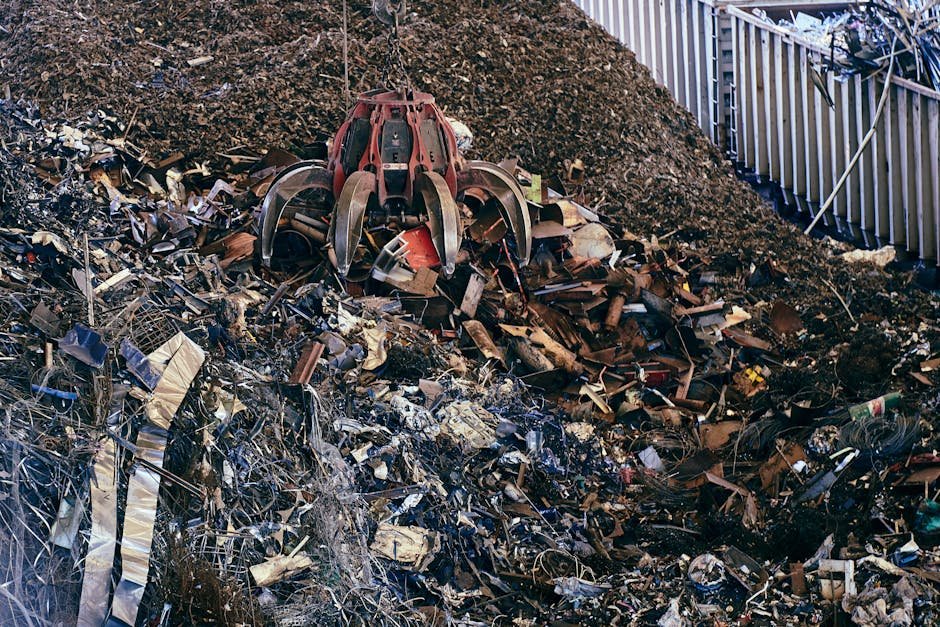

When looking for reliable scrap metal Cora Lynn solutions, it is essential to understand the local landscape of metal recycling. Whether you are a tradesperson, a local business owner, or a resident clearing out a workshop, navigating the complexities of metal grades and current market conditions is the first step toward a successful transaction. The industry in regional Victoria and beyond has evolved significantly, shifting toward more transparent pricing and advanced processing techniques that benefit both the environment and the seller.
Understanding Metal Grades: Ferrous vs. Non-Ferrous
To maximize your return, you must first distinguish between the two primary categories of metal: ferrous and non-ferrous. Ferrous metals contain iron, are magnetic, and are generally more abundant. These include steel, iron, and various alloys used in construction and heavy machinery. If you are preparing to Sell Scrap Metal Near Me In 2026, separating your ferrous materials from non-ferrous ones is the most effective way to ensure you receive an accurate valuation. Common ferrous scrap includes structural steel, beams, rebar, and old vehicle parts.
Non-ferrous metals, conversely, do not contain iron and are prized for their resistance to corrosion and high electrical conductivity. This category includes copper, aluminium, brass, stainless steel, and lead. Because these metals are rarer and more expensive to mine, they command significantly higher prices at recycling facilities. Understanding the specific grade of your copper—whether it is bright and shiny, burnt, or insulated—can drastically change your payout. When you research Scrap Metal Prices, you will notice that non-ferrous metals are subject to daily market fluctuations based on global demand and supply chain logistics.
The Process: How Scrap Metal Recycling Works
The journey from a pile of discarded material to a raw industrial resource is a sophisticated mechanical process. Once you bring your materials to a facility for scrap metal Cora Lynn processing, the cycle begins with weighing and inspection. Professional buyers use high-precision scales to ensure accuracy. Following inspection, the metal is sorted using magnets for ferrous materials and eddy current separators or X-ray fluorescence (XRF) analyzers for non-ferrous alloys.
After sorting, the metal is processed through shredders, shears, or balers. Shredding reduces large items like car bodies or white goods into small, uniform pieces, making it easier to remove impurities such as plastics, rubber, or glass. Baling compresses light-gauge materials into dense cubes, which optimizes transport efficiency. Once the metal is processed into clean, high-grade scrap, it is shipped to smelters or steel mills. At these facilities, the metal is melted down and recast into new products, effectively closing the loop in the manufacturing lifecycle. This process is not just about waste management; it is a vital component of the global circular economy, reducing the need for virgin ore extraction.
Environmental Benefits of Recycling
Recycling is the most effective way to reduce the environmental footprint of the manufacturing sector. Mining and refining raw ore is an incredibly energy-intensive process that results in significant greenhouse gas emissions and habitat destruction. By utilizing recycled metals, manufacturers can save vast amounts of energy. For instance, recycling aluminium saves approximately 95% of the energy required to produce the same amount of aluminium from raw bauxite ore. Similarly, steel produced from scrap reduces water consumption by 40% and air pollution by 86% compared to virgin steel production.
In the context of scrap metal Cora Lynn, local recycling efforts contribute to a cleaner community by diverting hazardous materials from landfills. Lead-acid batteries, old wiring, and electronic waste contain heavy metals that can leach into the soil and groundwater if not disposed of correctly. By choosing a professional recycling partner, you ensure that these toxic components are handled in compliance with Victorian environmental regulations. Furthermore, by participating in the professional metal trading platform, you are supporting a sustainable future where resources are treated as assets rather than waste.
Maximizing Your Returns: Practical Tips for Sellers
If you want to get the best value for your scrap, preparation is key. First, keep your metals clean. Contamination—such as plastic, insulation, or dirt—will lower the grade of your scrap and potentially lead to a lower price. For example, stripping insulation off copper wire can move it from a lower “insulated” grade to a higher “bright and shiny” grade. Second, keep your materials sorted. If you arrive at a facility with a mixed bin of steel, aluminium, and brass, the buyer may have to grade it at the lowest common denominator. By segregating your metals into separate containers, you demonstrate that you have done the work, which often leads to a more favorable appraisal.
Third, monitor the market. Metal prices are volatile and influenced by global events, industrial demand, and currency fluctuations. Checking current market trends via a reliable scrap trading portal can help you decide the best time to offload your inventory. Finally, build a relationship with your local buyer. Whether you are looking for Scrap Metal Recycling Near Me or specialized industrial collection services, consistency matters. Regular sellers often gain access to better service, faster processing, and improved pricing structures.
Geographic Expansion and Professional Services
While this guide focuses on the local nuances of the region, the principles of professional metal trading extend across the state. We recognize that our clients often have operations in multiple locations. For those seeking services in other areas, we provide specialized support, such as for those who need to sell scrap metal in creswell or require professional scrap metal buyers leppington. Our network is designed to provide a seamless experience, ensuring that whether you are in a rural hub or a growing suburban center, you have access to the same high standards of transparency and efficiency.
As we look toward the future, the integration of digital tools in the scrap industry is becoming paramount. Modern platforms now allow sellers to track their inventory, view historical pricing data, and schedule pickups with ease. This digital transformation is removing the guesswork from the industry, allowing both small-scale collectors and large industrial enterprises to make data-driven decisions. By leveraging these tools, you can ensure that your scrap metal management is as efficient as your core business operations.
The Future of Metal Recycling in Australia
The Australian scrap metal industry is currently undergoing a period of rapid innovation. Advancements in automated sorting technology, such as AI-driven optical sorters, are allowing facilities to recover metals that were previously considered unrecyclable. This means higher yields and less waste. Furthermore, as global supply chains face increasing pressure, the importance of domestic circularity has never been higher. Australia is uniquely positioned to lead in this space, given the abundance of high-quality scrap and a growing commitment to ESG (Environmental, Social, and Governance) standards.
For businesses in the region, adopting a robust scrap management policy is no longer just an environmental choice—it is a financial one. Implementing a dedicated scrap collection system on-site can turn a cost center into a revenue stream. By partnering with experts who understand the local regulations and market dynamics, you can ensure that your operations are not only compliant but also optimized for maximum profitability. The transition to a green economy is well underway, and the scrap metal industry is at the very heart of this shift, providing the raw materials needed for everything from electric vehicles to sustainable building infrastructure.
Compliance and Safety Standards
Safety is the cornerstone of any reputable scrap metal operation. Handling heavy metals, operating machinery, and managing logistics requires strict adherence to safety protocols. When visiting a facility, always follow signage, wear appropriate personal protective equipment (PPE), and ensure your load is secured for transport. Compliance with local council regulations regarding the storage and transport of scrap is also mandatory. A professional buyer will always prioritize safety, ensuring that their site is clean, organized, and equipped to handle the volumes of material they process. If you are a business owner looking for a long-term recycling partner, ensure they possess the necessary licenses and insurance to operate within the state. This diligence protects you from liability and ensures that your scrap is handled in a manner that aligns with your own corporate social responsibility goals.
Conclusion: Taking the Next Step
Recycling scrap metal is a powerful way to contribute to a sustainable future while capturing the economic value hidden in discarded materials. Whether you are dealing with a small quantity of household copper or a large-scale industrial haul of steel, the principles of sorting, cleaning, and market timing remain the same. By utilizing the resources available through professional trading platforms, you can navigate the market with confidence and ensure you are getting the best possible return on your investment.
We have explored the grades of metal, the mechanical processes of recycling, the environmental imperatives, and the practical steps to maximize your payout. As you move forward, remember that the scrap industry is a vital link in the global supply chain. By participating in this ecosystem, you are doing more than just selling metal; you are fueling the next generation of manufacturing. For those in the region, staying informed and connected to professional buyers is the key to success. We invite you to explore our resources further and join us in building a more circular and sustainable economy for Australia.
Frequently Asked Questions
What is the most valuable type of scrap metal?
Non-ferrous metals like copper, brass, and aluminium are generally the most valuable. Among these, clean, bare bright copper wiring typically commands the highest market price due to its purity and high conductivity.
How should I prepare my scrap metal for sale?
To get the best price, sort your metals by type (ferrous vs. non-ferrous) and remove any non-metal contaminants like plastic, rubber, or wood. If possible, strip insulation from wires to increase the purity grade of the copper.
Why do scrap metal prices change so often?
Scrap metal prices are driven by global commodities markets, which fluctuate based on supply and demand, mining output, and industrial manufacturing activity. Local factors like transport costs and processing demand also influence the final price you receive.
Is it better to sell to a local yard or a large processor?
Both have benefits. Local yards offer convenience and personalized service, while large processors may offer better volume-based pricing for industrial quantities. It is best to choose a partner that offers transparent pricing and reliable logistics.