
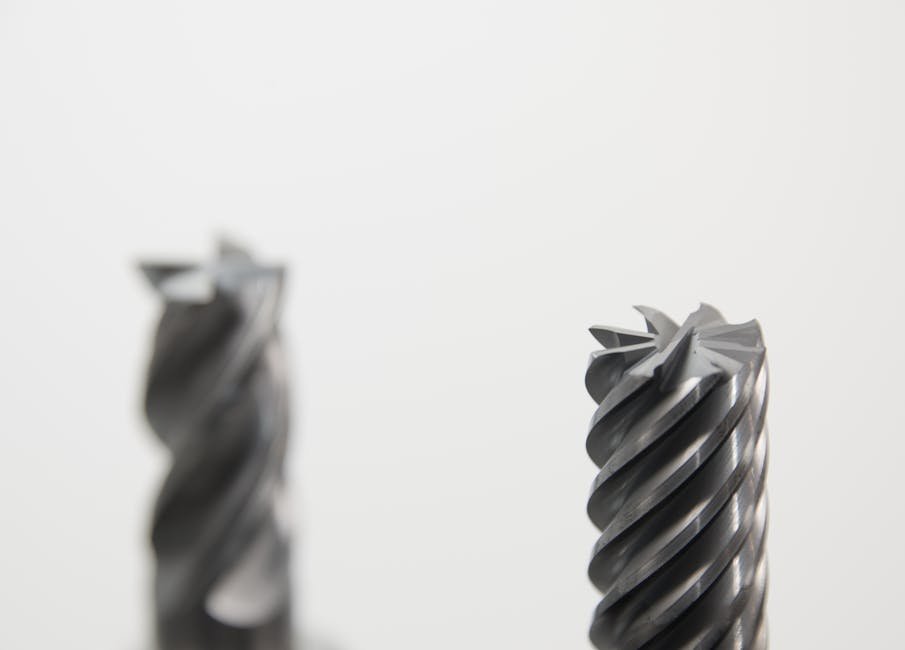

Understanding the tungsten carbide drill bits scrap price is essential for machine shops, manufacturers, and industrial operations looking to offset overhead costs by reclaiming value from spent tooling. As a critical industrial material, tungsten carbide—often referred to as ‘cemented carbide’—possesses a unique density and hardness that makes it highly valuable in the secondary metals market. Whether you are managing a large-scale manufacturing facility or a small workshop, knowing how to identify, sort, and sell your scrap can significantly improve your bottom line.
Understanding the Market: Factors Influencing Tungsten Carbide Scrap Value
The pricing of tungsten carbide is not arbitrary; it is a reflection of complex global supply chains. Because tungsten is a critical raw material with limited primary production, recycling plays a vital role in stabilizing the market. When you look at the carbide drill bits scrap price, you are essentially looking at a commodity price influenced by three primary factors: the global price of tungsten concentrate, the cost of cobalt (the binder used in carbide), and current processing demand.
Market fluctuations are common. Just as we monitor metal prices today for various industrial alloys, tungsten carbide tracks closely with the manufacturing sector’s health. When industrial production is high, the demand for virgin tungsten rises, which in turn drives up the value of recycled carbide. Conversely, when manufacturing slows, the spread between scrap and virgin material narrows.
Furthermore, the physical state of your scrap matters. Clean, sorted scrap—free from steel shanks, braze, or contamination—will always command a premium. If you are looking to Buy Tungsten Carbide Scrap Cutting Tools Drill Bits, you likely already understand that purity is the single most important factor in determining the final payout. Contaminants like iron, copper, or plastic can lead to significant price deductions at the refinery level.
The Role of Grades and Material Identification
Not all carbide is created equal. The industry uses various grades of tungsten carbide, each designed for specific applications, ranging from high-speed drilling to heavy-duty milling. The carbide bit scrap price you receive will often depend on the cobalt content of the bit. Higher cobalt content generally implies a different recycling process, which can impact the final valuation.
When sorting your scrap, it is helpful to categorize materials by their primary use. For instance, Tungsten Carbide Insert Scrap Used Cutting Tool Tips are often sold separately from solid carbide drills because the inserts are typically smaller and require different handling during the crushing and chemical processing stages. By keeping these materials separate, you ensure that you are receiving the highest possible rate for each specific type of scrap.
It is also important to distinguish between solid carbide and carbide-tipped tools. A solid carbide drill bit is made entirely of the material, whereas a tipped tool has a carbide cutting edge attached to a steel body. The latter requires mechanical separation, which adds a processing cost that will be reflected in the lower price per kg you receive for the item.
How Recycling Works: From Scrap to New Tooling
The recycling of tungsten carbide is a marvel of modern chemical engineering. Unlike simple melting processes used for aluminum or steel, tungsten carbide recycling often involves the zinc process or chemical leaching. Because tungsten has an extremely high melting point (3,422°C), it is rarely melted down directly in a traditional foundry setting.
Instead, the process typically involves breaking the carbide down into a powder form. In the zinc process, the scrap is heated in a molten zinc bath, which causes the binder (cobalt) to expand and break the bond between the tungsten carbide particles. The zinc is then distilled off, leaving behind a porous, brittle material that can be easily crushed into a fine powder. This powder is then re-bonded with fresh cobalt and pressed back into new shapes.
This circular economy is essential for the automotive and aerospace industries. When an industry leader in metal recycling processes these materials, they are effectively reducing the need for new mining operations, which are energy-intensive and environmentally damaging. This is why the scrap value remains high—the energy required to recycle existing carbide is a fraction of the energy required to mine and refine new tungsten ore.
The Connection to Automotive and Industrial Recycling
Tungsten carbide scrap does not exist in a vacuum. It is deeply intertwined with broader industrial recycling efforts. For example, in the context of Titanium Scrap Price How To Get The Best Value For Your Titanium, we often see that facilities dealing with aerospace components or high-end auto parts also handle significant volumes of tungsten carbide.
As we look at the lifecycle of an end of life vehicle or an ELV, we find that modern car wreckers are becoming increasingly sophisticated. They are no longer just stripping steel and copper; they are identifying specialized alloys, including tungsten carbide components found in engine machining tools and specialized automotive manufacturing equipment. Recognizing these components as valuable scrap rather than general waste is a key way that modern recycling businesses improve their margins.
Environmental Benefits and Sustainability
The environmental impact of recycling tungsten carbide cannot be overstated. Tungsten mining, often occurring in regions with stringent environmental regulations or, conversely, in areas with poor oversight, is a dirty business. By choosing to recycle your carbide, you are actively reducing the demand for new mining operations. This conserves natural resources, reduces carbon emissions associated with the extraction and transport of ore, and prevents heavy metals from entering landfills.
Furthermore, because tungsten is a finite resource, its preservation is a matter of long-term economic security. By keeping tungsten in the supply chain, we ensure that the industries of tomorrow—from renewable energy to advanced medical technology—have access to the materials they need. Every kilogram of carbide you recycle contributes to a more sustainable industrial future.
Practical Tips for Maximizing Your Scrap Returns
To ensure you are getting the best tungsten carbide drill bits scrap price, follow these expert tips:
- Sort by Type: Keep solid carbide separate from steel-shanked tools.
- Clean Your Scrap: Remove as much non-carbide material as possible, such as plastic cases, paper, or excessive grease.
- Monitor Market Trends: Keep an eye on current scrap prices. Prices can shift monthly, and selling during a peak can yield significantly higher returns.
- Build Relationships: Work with a reputable scrap buyer who provides transparent grading and pricing. Trust is the most valuable asset in the scrap trade.
- Store Properly: Keep your scrap in dry, labeled containers to prevent oxidation and contamination.
By treating your scrap as a valuable asset rather than trash, you turn a disposal cost into a revenue stream. Always ask your buyer for the current market index they are using to set their prices. A transparent buyer will be happy to explain how they arrived at their offer.
Conclusion: The Future of Carbide Recycling
The market for tungsten carbide is evolving. As technology advances, we are seeing more efficient ways to extract and refine scrap, which may lead to even higher recovery rates in the future. For businesses in Australia, staying informed about the tungsten carbide drill bits scrap price is a smart business move that supports both the bottom line and the environment. By participating in the circular economy, you are doing more than just clearing out a workshop; you are contributing to a global effort to preserve critical materials for future generations. Remember to keep your materials clean, sorted, and ready for the market to ensure you capture the full value of your industrial scrap.
Frequently Asked Questions
How often do tungsten carbide scrap prices change?
Scrap prices for tungsten carbide fluctuate based on global market demand, the price of tungsten concentrate, and the value of cobalt. While some changes are daily, most scrap buyers adjust their pricing tiers on a monthly or bi-weekly basis.
Does the presence of steel shanks affect the price?
Yes, significantly. Solid tungsten carbide is more valuable than carbide-tipped tools because the latter requires additional labor and machinery to separate the carbide from the steel shank.
What is the best way to store carbide scrap?
Store your scrap in clean, dry, and clearly labeled containers. Keeping it away from moisture and other metal contaminants, such as aluminum or brass, will ensure you receive the highest purity grading from your recycler.
Can I sell my carbide scrap directly to a refinery?
Most refineries only deal with high-volume industrial accounts. For small to medium-sized businesses, it is more efficient to work with a reputable scrap trading platform or local metal recycler that aggregates material for the larger refineries.