
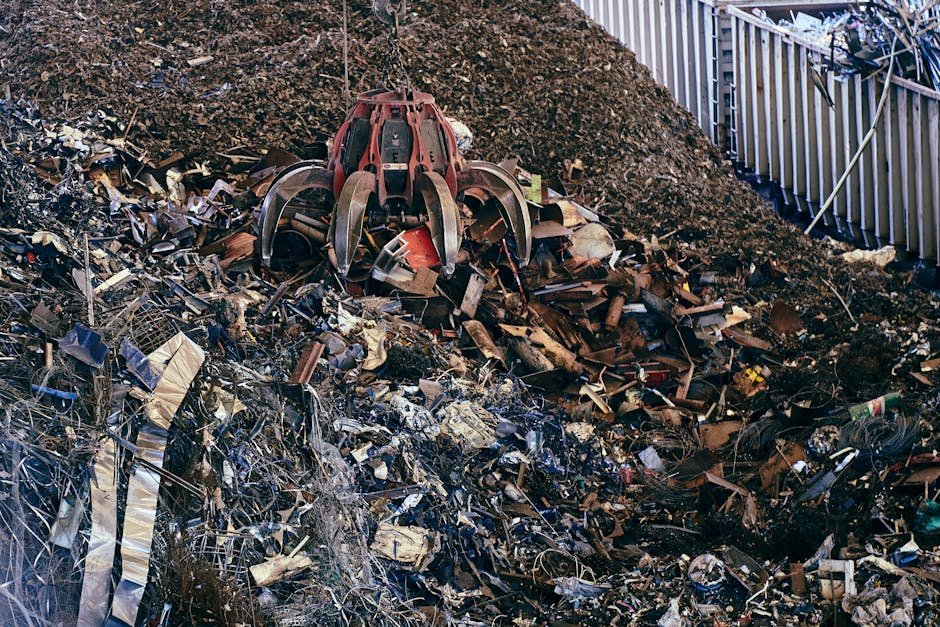

When you are looking for reliable scrap metal Dalmore services, it is essential to understand the lifecycle of the materials you are handling. The industry in Victoria has evolved significantly, moving from simple collection to sophisticated resource recovery. Whether you are a local trade professional or a resident conducting a clean-up, identifying the value of your scrap is the first step toward environmental stewardship and financial gain.
The Fundamentals of Scrap Metal Grading
Understanding how scrap is graded is the cornerstone of the industry. Metals are broadly categorized into two primary types: ferrous and non-ferrous. Ferrous metals, such as iron and steel, contain carbon and are magnetic. Non-ferrous metals, including copper, aluminium, brass, and lead, do not contain iron and are generally more valuable due to their high demand and finite supply. When you visit a facility for scrap metal Dalmore processing, the staff will test your materials using magnets and visual inspection to determine the grade.
High-grade copper, often referred to as ‘bright and shiny’ or ‘millberry,’ fetches the highest prices because it is free of contaminants like insulation or solder. Aluminium is graded based on its form—cast, extruded, or sheet. Steel is graded by density and size; for instance, ‘heavy melting steel’ (HMS) is more valuable than light ‘tin’ scrap because it is easier to melt down in furnaces. By separating your metals before you arrive, you can significantly increase your payout. For those wondering about current market fluctuations, checking Scrap Metal Prices is a vital step before transport.
The Industrial Recycling Process
The journey of a piece of scrap metal from a backyard in Dalmore to a new manufacturing plant is a multi-stage process. First, collection occurs through various channels, including demolition sites, automotive wreckers, and residential drop-offs. Once collected, the metal undergoes rigorous sorting. Advanced facilities use eddy current separators, X-ray fluorescence (XRF) analyzers, and magnetic drums to ensure that different alloys are not mixed, which would otherwise compromise the integrity of the final product.
After sorting, the metal is processed through shredding or shearing. Shredding breaks down large items like vehicles or appliances into small, manageable pieces, while shearing uses high-pressure blades to cut through heavy beams. This processed material is then melted in furnaces to create ‘ingots’ or ‘billets’—the raw materials for new manufacturing. This circular economy is what makes the professional scrap metal trading platform so vital for modern industry. By keeping these materials in the loop, we reduce the energy consumption associated with mining and refining raw ore.
Environmental Benefits of Metal Recycling
The environmental impact of recycling cannot be overstated. Mining virgin ore is an energy-intensive process that destroys habitats and produces significant carbon emissions. For instance, recycling aluminium saves approximately 95% of the energy required to produce the same amount of aluminium from bauxite ore. By choosing to participate in scrap metal Dalmore recycling, you are directly contributing to a reduction in landfill waste and a decrease in the demand for destructive mining practices.
Furthermore, metal is infinitely recyclable. Unlike plastic, which degrades in quality over time, metal can be melted down and reformed indefinitely without losing its physical properties. This makes it one of the most sustainable materials on the planet. When you search for Scrap Metal Recycling Near Me, you are not just clearing your property; you are participating in a global effort to conserve natural resources for future generations.
Maximizing Your Return: Tips for Sellers
If you are planning to sell your collection, preparation is everything. Clean your metal by removing non-metallic attachments such as plastic handles, rubber seals, or wood. Contamination is the primary reason for lower grading, which directly impacts your profit. If you have a large volume of material, consider using a professional Australian scrap trading service to handle logistics and ensure you are getting fair market rates.
Timing also plays a role in your returns. Commodity markets are volatile, and prices can fluctuate based on global demand, currency exchange rates, and manufacturing output in major economies like China and the US. Keep an eye on the market trends. Additionally, if you are located in nearby areas, you might find specific logistical advantages by checking for scrap metal warneet or scrap metal dewhurst services, which share similar regional infrastructure. Always ensure you have the necessary documentation if you are selling high-value industrial scrap, as most reputable yards require identification to comply with local laws.
Logistics and Safety in Scrap Handling
Safety is the most critical aspect of scrap metal handling. Metals are heavy, sharp, and can harbor hidden hazards. When transporting scrap, ensure your vehicle is rated for the weight and that the load is properly secured. Always wear heavy-duty gloves, steel-capped boots, and high-visibility clothing when unloading at a yard. If you are dealing with large-scale industrial scrap, such as old machinery or structural steel, consider hiring professional transport services that specialize in heavy haulage.
For those looking to liquidate assets in the coming years, it is wise to establish a relationship with a local yard now. Planning your logistics for when you decide to Sell Scrap Metal Near Me In 2026 will ensure you have a streamlined process, access to better equipment, and a trusted partner who understands your specific material types. A proactive approach to scrap management reduces downtime and increases the efficiency of your site clear-outs.
The Future of Metal Trading
The industry is currently undergoing a digital transformation. Gone are the days of guessing prices or driving from yard to yard. Today, scrap metal trading platforms allow for real-time price tracking, digital scaling, and transparent reporting. This level of transparency benefits both the scrap seller and the recycling facility, creating a more stable and efficient market. As we move toward 2026 and beyond, the integration of blockchain and IoT (Internet of Things) in the supply chain will likely make the tracking of recycled materials even more precise.
Sustainability reporting is also becoming a requirement for many businesses. By utilizing a digital platform to track your recycling efforts, you can generate reports that demonstrate your commitment to ESG (Environmental, Social, and Governance) goals. This is increasingly important for trade businesses in Dalmore that want to differentiate themselves from competitors. Whether you are a small contractor or a large demolition firm, the future of metal recycling is digital, efficient, and highly transparent.
Common Misconceptions About Scrap
There are many myths surrounding the scrap metal industry. One common misconception is that all metal is worth the same. In reality, the price difference between a ton of mixed light iron and a ton of clean copper can be thousands of dollars. Another myth is that recycling is only for large industrial players. Individual households contribute significantly to the recycling stream through old appliances, copper piping from renovations, and automotive parts. Every kilogram counts toward the broader goal of resource recovery.
Some also believe that the recycling process is ‘dirty’ or ‘unregulated.’ Modern Australian recycling facilities are subject to strict environmental regulations regarding dust control, water runoff, and noise pollution. These facilities are audited regularly to ensure they meet the highest standards of safety and environmental protection. When you choose an authorized recycler, you are supporting a legal, regulated, and essential industry that keeps our local environment clean and our economy circular.
Conclusion: Taking Action Today
Whether you are clearing out a garage or managing a multi-tonne industrial site, your contribution to the scrap metal cycle in Dalmore is valuable. By understanding how to sort your materials, keeping an eye on market prices, and utilizing professional trading platforms, you can turn waste into a significant revenue stream while helping the planet. The shift toward a circular economy is not just a trend; it is the future of industrial production. Start by auditing your current scrap inventory, separating your ferrous from non-ferrous metals, and connecting with a reputable buyer to ensure you get the best value for your materials. The resources you recover today will form the backbone of the infrastructure of tomorrow.
Frequently Asked Questions
What is the difference between ferrous and non-ferrous scrap metal?
Ferrous metals contain iron and are magnetic, such as steel and iron. Non-ferrous metals do not contain iron and include valuable materials like copper, aluminium, and brass, which are generally more resistant to corrosion.
How can I get the best price for my scrap metal?
To get the best price, ensure your metal is clean and sorted by type. Removing non-metallic contaminants like plastic, rubber, or wood significantly increases the value of your scrap.
Is it safe to recycle scrap metal at home?
Recycling scrap at home is safe if you wear protective gear like gloves and boots. Be cautious of sharp edges and heavy loads, and always ensure your transport vehicle is properly rated.
Why is recycling metal better for the environment than mining?
Recycling metal consumes significantly less energy than extracting and refining virgin ore. It also preserves natural landscapes and reduces the carbon footprint associated with large-scale mining operations.