
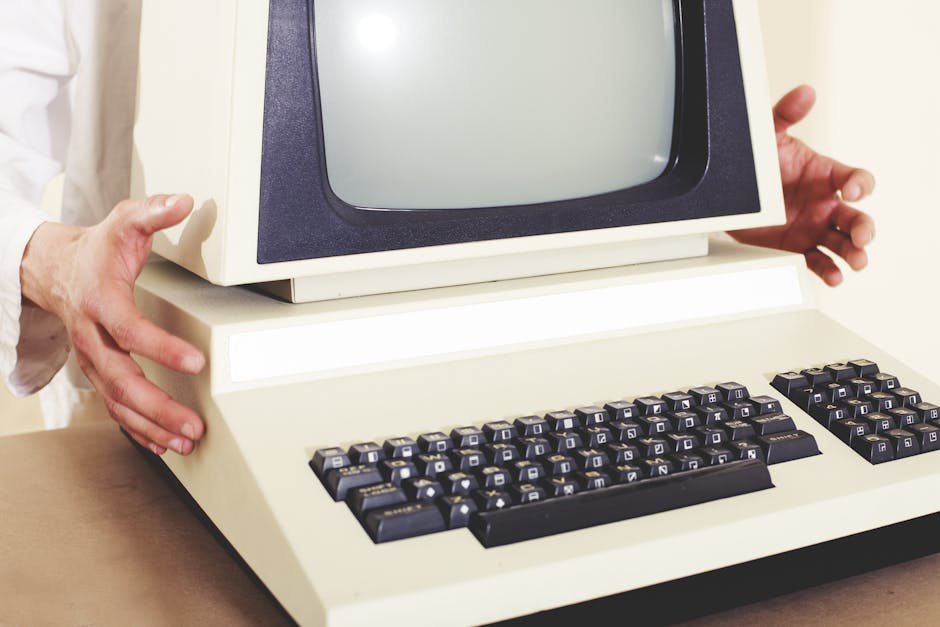

When you decide to sell old computer equipment, you are not just clearing out storage space; you are participating in a multi-billion dollar circular economy. Whether you are an IT manager decommissioning a server room or a small business owner upgrading your fleet, understanding the value of your hardware is critical. E-waste is a rapidly growing stream, and the precious metals contained within printed circuit boards (PCBs), processors, and gold-plated connectors represent significant financial value. This guide serves as an authoritative resource to help you navigate the process, ensure data security, and maximize your returns when you choose to sell used computer equipment.
Understanding the Value: Why Your Old Tech is Worth Money
Many people assume that old computers are simply trash, but from a recycling perspective, they are high-grade ore. A typical motherboard contains gold, silver, copper, palladium, and rare earth elements. When you look to sell old computer equipment, you are essentially selling a concentrated source of these commodities. The value you receive depends heavily on the ‘yield’—the amount of recoverable metal per kilogram of scrap.
Professional recyclers use advanced smelting and refining techniques to extract these materials. Unlike general household waste, computer scrap requires specialized handling. If you have a large volume of hardware, it is often beneficial to sort your material before bringing it to a professional scrap metal recycler. For instance, high-grade motherboards command a much higher price than steel casings or plastic peripherals. If you are handling large-scale office upgrades, you might also be looking to Sell Printer Copier Scrap Office Equipment 2026, which can be bundled with your computer hardware to streamline logistics and improve your overall payout.
Preparing Your Equipment: Data Security and Sorting
Before you even think about where to sell, you must address the most critical aspect: data destruction. Simply deleting files is insufficient; professional-grade software wiping or physical shredding of hard drives is mandatory for compliance with privacy regulations like the Australian Privacy Act. Once your data is secured, the next step is sorting. To get the best price, you should categorize your items into specific streams:
- High-Grade Boards: Server boards, RAM sticks, and gold-pin processors.
- Mid-Grade Boards: Desktop motherboards and interface cards.
- Low-Grade Boards: Power supply units (PSUs) and green-board electronics.
- Cables and Wiring: Copper-rich power cords and data cables.
- Ferrous Metals: Steel server racks and chassis.
By keeping these categories separate, you avoid the ‘mixed scrap’ price, which is almost always the lowest tier. If you have other assets, such as telecommunications infrastructure, you can Sell Telecommunications Scrap Network Equipment 2026 to further maximize your revenue per load. Remember, the cleaner and more sorted your scrap, the more likely you are to get paid a premium rate.
Where to Sell: Choosing the Right Scrap Dealer
Finding the right partner is the difference between a simple transaction and a profitable long-term relationship. When searching for a scrap dealer, look for transparency. A reputable buyer will provide a clear breakdown of pricing based on current LME (London Metal Exchange) rates. You should avoid dealers who offer flat rates per kilogram without explaining the grade of the material. Always check if they provide certificates of destruction for your data-bearing devices.
For those located in major Australian hubs, the scrap metal trading platform offers a digital marketplace that connects sellers directly with verified buyers. This removes the middleman and ensures you get the best price for your scrap. If you are also clearing out other areas of your facility, you might be interested in how to sell old tv for cash, as these often contain similar components to computer monitors and can be processed alongside your IT assets. Additionally, if your company has transitioned to renewable energy, you can Sell Solar Panel Scrap Photovoltaic Equipment to recover costs from outdated photovoltaic arrays.
The Logistics of Selling: What Documents are Needed?
When you arrive at a recycling facility to sell old computer equipment, being prepared with the right documentation is essential for professional, large-scale transactions. First, have a clear inventory list. This should detail the type of equipment, the quantity, and the estimated weight. If you are a business, you will likely need to provide an ABN (Australian Business Number) and valid photo identification. Some scrap yards require a ‘Chain of Custody’ document if the equipment contains sensitive assets, proving that the data was destroyed according to industry standards.
Furthermore, if you are transporting large quantities of hazardous e-waste, ensure you comply with state-specific environmental regulations regarding the transport of electronic waste. Always ask for a weigh-bridge ticket that shows the gross, tare, and net weight of your load. This document is your proof of sale and ensures that you get paid exactly what you are owed based on the agreed-upon rates. Never accept a verbal quote; always ensure the transaction is documented on a formal receipt or invoice.
Maximizing Your Returns: Timing and Market Trends
The scrap metal market is volatile, influenced by global industrial demand and geopolitical shifts. To ensure you get the best price, keep an eye on commodity trends. Gold, copper, and palladium prices fluctuate daily. If you have a large volume of scrap, it may be worth waiting for a market peak before scheduling your drop-off. However, do not wait too long; storage costs and the risk of component degradation can offset potential gains.
Another way to maximize returns is to maintain good relationships with your scrap dealer. If you are a regular supplier, you are more likely to receive preferential pricing or priority service during busy periods. Communication is key—ask your dealer which types of scrap they are currently prioritizing. Sometimes, they may be running a promotion or have a specific requirement for certain grades of circuit boards, which can significantly boost your payout. Always ask, “What is the current rate for high-grade PCB?” before you commit to a sale.
Environmental Responsibility and Compliance
Beyond the financial incentives, selling your old computer equipment to a certified recycler is an environmental imperative. E-waste contains toxic substances like lead, mercury, and cadmium, which can leach into the soil and groundwater if sent to a landfill. By choosing a responsible recycler, you ensure that these hazardous materials are captured and neutralized. This is a core component of ESG (Environmental, Social, and Governance) reporting for many Australian companies.
When you sell to a facility that practices ethical recycling, you are contributing to a circular economy where materials are recovered and reused in new manufacturing processes. This reduces the need for destructive mining practices. Always ask your dealer about their downstream processes—where does the material go after it leaves their facility? A transparent dealer will be proud to share their commitment to responsible recycling and environmental stewardship. This not only protects the planet but also ensures your business remains compliant with increasingly strict environmental legislation.
Advanced Tips for IT Asset Disposition (ITAD)
For large organizations, IT Asset Disposition (ITAD) is a specialized process that goes beyond simple scrap. If your equipment is still functional, consider refurbishing or remarketing it before scrapping it. However, once the equipment reaches the end of its life, the scrap route is the most efficient. To streamline this, implement a ‘tag and bag’ system in your warehouse. As soon as a computer is decommissioned, label it and place it in the appropriate bin based on its scrap grade.
This proactive approach saves hours of labor when it comes time to sell. Furthermore, consider the logistics of transport. If you are moving tons of equipment, the cost of transport can eat into your profits. Look for scrap dealers who offer collection services for large volumes. While they may charge a small fee for transport, it is often cheaper than hiring your own logistics company. By bundling your computer scrap with other materials like networking gear or office equipment, you can negotiate better collection rates, effectively lowering your overheads and increasing your net profit.
Future-Proofing Your Scrap Strategy
Technology moves fast, and the materials used in computers are constantly evolving. For instance, the shift toward more efficient, smaller processors means that the composition of your scrap will change over the next few years. Staying informed about these trends will help you anticipate the value of your future scrap. Subscribe to industry newsletters, follow the scrap metal trading platform updates, and maintain a dialogue with your local yard manager.
By treating your old hardware as a valuable asset rather than a disposal problem, you shift your perspective from cost-center to revenue-generator. Whether you are selling a handful of laptops or an entire data center’s worth of servers, the principles remain the same: sort your material, secure your data, document your transactions, and partner with a reputable buyer. This systematic approach ensures that you get the best price for your old computer equipment while contributing to a sustainable future for Australia’s tech ecosystem.
Frequently Asked Questions
1. How do I know if my old computer equipment is worth anything?
Most computer equipment has value due to the precious metals on the circuit boards, such as gold, copper, and palladium. Even non-functional items contain valuable components that can be recovered by professional scrap dealers.
2. Is it safe to sell computers that contain sensitive company data?
Yes, provided you follow strict data destruction protocols. You should either physically shred the hard drives or use certified software to wipe them before handing the equipment over to a recycler.
3. What is the difference between selling to a dealer versus a recycling center?
A scrap dealer typically pays based on the commodity value of the metals, whereas a general recycling center may charge a fee to take the items. For valuable tech, always aim to sell to a specialized dealer to get paid.
4. How often do scrap metal prices change for electronics?
Scrap metal prices for electronics fluctuate daily based on global commodity markets and the purity of the metals being recovered. It is recommended to check current market rates before finalizing a large sale.
Frequently Asked Questions
How do I know if my old computer equipment is worth anything?
Most computer equipment has value due to the precious metals on the circuit boards, such as gold, copper, and palladium. Even non-functional items contain valuable components that can be recovered by professional scrap dealers.
Is it safe to sell computers that contain sensitive company data?
Yes, provided you follow strict data destruction protocols. You should either physically shred the hard drives or use certified software to wipe them before handing the equipment over to a recycler.
What is the difference between selling to a dealer versus a recycling center?
A scrap dealer typically pays based on the commodity value of the metals, whereas a general recycling center may charge a fee to take the items. For valuable tech, always aim to sell to a specialized dealer to get paid.
How often do scrap metal prices change for electronics?
Scrap metal prices for electronics fluctuate daily based on global commodity markets and the purity of the metals being recovered. It is recommended to check current market rates before finalizing a large sale.