
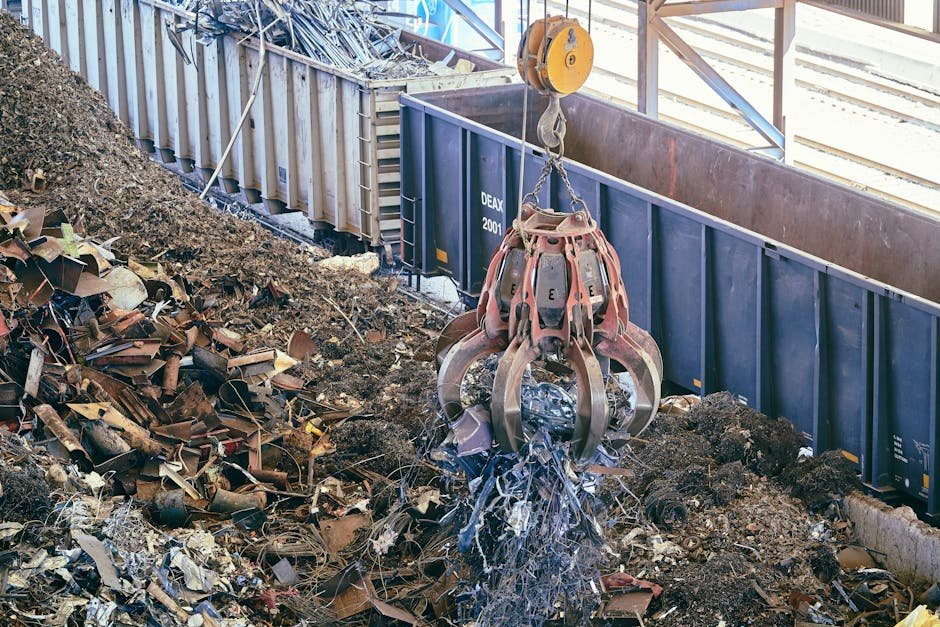

When considering scrap metals recycling williamstown, it is essential to understand that the process is not merely about clearing out clutter; it is a vital component of the circular economy. Williamstown, with its industrial heritage and proximity to major shipping routes, serves as a strategic hub for the movement and processing of industrial and residential scrap. Whether you are a local contractor, a business owner, or a resident, participating in the recycling stream ensures that valuable resources remain in production cycles rather than ending up in landfills.
The Fundamentals of Scrap Metal Grades
To effectively participate in scrap metals recycling williamstown, one must first understand the classification of materials. Scrap is broadly categorized into two primary types: ferrous and non-ferrous metals. Ferrous metals, which contain iron, are magnetic and include steel, iron, and stainless steel. These are the backbone of construction and automotive industries. Conversely, non-ferrous metals—such as copper, aluminum, brass, and lead—do not contain iron and are generally more valuable due to their resistance to corrosion and their infinite recyclability.
Understanding these grades is crucial when you look for a Scrap Metal Recycling Near Me. Copper, for example, is graded based on its purity. ‘Bright and Shiny’ copper (Grade 1) commands a premium price because it is free of oxidation and contaminants. Understanding these distinctions allows you to separate your scrap effectively, which directly impacts the payout you receive. If you are interested in the broader industry landscape, it is helpful to research the nuances of Scrap Trading Vs Recycling Business to understand how market fluctuations affect the value of your scrap.
The Step-by-Step Process of Metal Recycling
The journey from a discarded item to a new raw material is a sophisticated industrial process. Once scrap is collected in Williamstown, it undergoes several stages. First, the material is weighed and inspected for contaminants. Non-metallic items like plastic, wood, or glass are removed to ensure the purity of the metal load. Following this, the metals are shredded into smaller pieces to facilitate the separation process. High-powered magnets are used to pull out ferrous metals, while eddy currents and sensory-based sorting technologies identify and isolate non-ferrous metals.
For those looking to optimize their scrap management, reading Allied Scrap Metal Your Guide To Selling And Recycling Scrap Metals provides a comprehensive overview of how to prepare your materials for the yard. Proper preparation—such as stripping insulation from copper wire or removing non-metallic attachments from steel—can significantly increase the value of your scrap. For businesses operating in nearby regions, we also provide specialized services for scrap metals recycling maribyrnong and scrap metals recycling derrimut to ensure consistent logistics and processing efficiency.
Environmental and Economic Benefits
The environmental impact of scrap metals recycling williamstown cannot be overstated. Mining for virgin ore is an energy-intensive process that disrupts ecosystems and consumes vast amounts of water. By recycling scrap metal, we drastically reduce the carbon footprint associated with metal production. For instance, recycling aluminum saves approximately 95% of the energy required to produce it from raw bauxite ore. Furthermore, recycling steel reduces water pollution by 76% and air pollution by 86%.
Beyond the environmental gains, there is a strong economic incentive. The scrap industry provides thousands of jobs, from collection and logistics to high-tech processing and brokerage. By choosing to recycle, you are supporting a local industry that keeps materials out of landfills and reduces the reliance on imported raw materials. For those interested in the professional side of this industry, our scrap trading platform offers real-time insights into market trends, while our professional scrap metal trading portal provides the tools necessary for large-scale industrial scrap management.
Maximizing Your Returns: Practical Tips
To get the most out of your scrap, you must treat it like a commodity. Separation is the golden rule. Never mix your copper with your steel, as the lower-value metal will contaminate the higher-value one, potentially downgrading the price of the entire load. Keep your scrap clean and dry; oxidation and moisture can reduce the quality of certain metals. If you are dealing with large volumes, consider using dedicated bins or skips to keep your site organized and to make transportation easier. Always stay informed about current market prices, as they fluctuate daily based on global demand and supply chain factors.
The Future of Metal Recycling in Australia
The Australian scrap industry is undergoing a technological revolution. We are seeing the implementation of AI-driven sorting machines that can identify metal alloys with near-perfect accuracy. This shift towards ‘smart recycling’ ensures that even complex scrap, such as electronic waste or mixed alloy components, can be efficiently processed. As Williamstown continues to develop, the integration of these technologies into local facilities will be pivotal in meeting the rising demand for sustainable raw materials. The future is circular, and by participating in local recycling programs, you are contributing to a more sustainable industrial landscape.
Logistics and Safety in Scrap Handling
Safety is paramount when handling scrap metal. Metals are often sharp, heavy, and potentially hazardous if they contain residues of chemicals or oils. Always use appropriate personal protective equipment (PPE), including gloves and safety boots, when sorting or transporting scrap. For businesses, implementing a safe scrap management plan is not just a regulatory requirement—it is a way to ensure that your site remains efficient and hazard-free. Whether you are transporting a small load in a personal vehicle or managing a large industrial bin, always secure your load to prevent accidents during transit. Understanding the logistics of scrap movement is a core component of the professional services we provide to our clients across the western suburbs of Melbourne.
Industry Standards and Compliance
Recycling is a highly regulated industry in Australia. Facilities must adhere to strict environmental standards regarding waste management, noise, and dust control. When choosing a partner for your scrap needs, ensure they are fully licensed and compliant with local council and EPA regulations. This not only protects you from legal liability but also guarantees that your scrap is being processed in an environmentally responsible manner. Transparency in weighing and grading is also a hallmark of a reputable scrap dealer. Always ask for a breakdown of your scrap weight and the specific grades identified, as this builds trust and ensures you are being paid fairly for the value you provide to the recycling chain.
Building a Sustainable Community
At the heart of the recycling movement is the collective effort of the community. Every kilogram of metal that is recycled is a victory for the environment. By fostering a culture of recycling in Williamstown, we can reduce the environmental burden on our local area and contribute to a cleaner, more efficient Australia. Whether you are a small business owner looking to optimize your waste stream or a resident cleaning out a garage, your actions matter. We encourage all participants in the scrap market to prioritize quality, safety, and environmental stewardship, ensuring that the legacy of our industrial past serves as a foundation for a sustainable future.
Frequently Asked Questions
What is the difference between ferrous and non-ferrous scrap metal?
Ferrous metals contain iron and are magnetic, such as steel and iron. Non-ferrous metals do not contain iron and include valuable materials like copper, aluminum, and brass.
How can I get the best price for my scrap metal?
To maximize your return, always sort your metals by type and grade, remove any non-metallic attachments, and keep your scrap clean and dry. Bringing in larger, well-sorted loads is generally more profitable.
Is it safe to handle all types of scrap metal?
Not all scrap is safe; some items may have sharp edges or contain residues of hazardous materials. Always wear protective gloves and boots, and consult with professionals if you are unsure about the safety of a specific item.
Why is recycling scrap metal better for the environment than mining?
Recycling scrap metal consumes significantly less energy than extracting and refining virgin ore. It also preserves natural resources, reduces landfill waste, and lowers greenhouse gas emissions associated with primary metal production.