
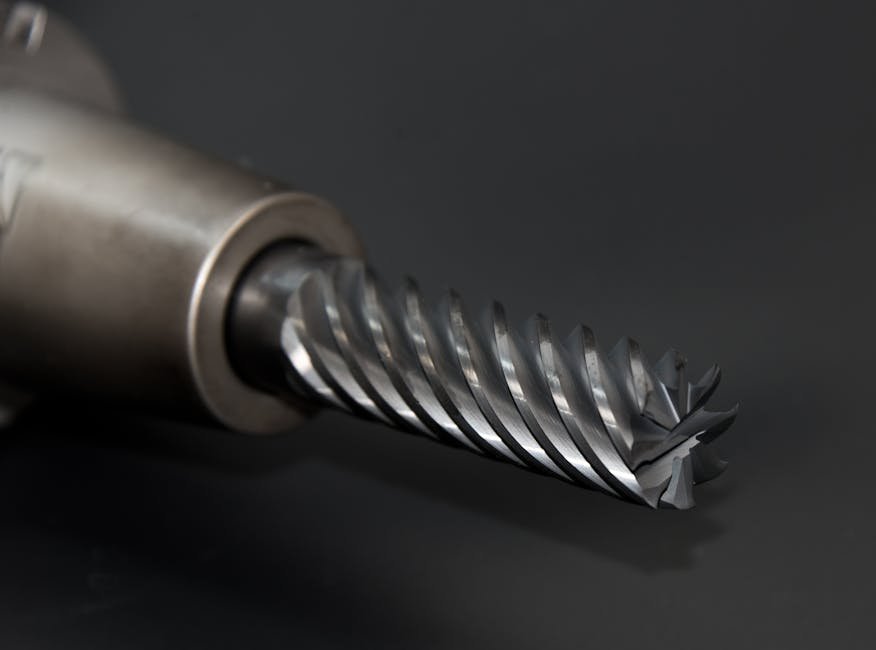

Navigating the volatile market for industrial materials requires a clear understanding of the carbide drill scrap price. Tungsten carbide is one of the most valuable industrial materials in the world, prized for its extreme hardness and heat resistance. As a professional in the manufacturing, mining, or automotive sectors, knowing how to value your scrap inventory is essential for operational profitability. Unlike common ferrous metals, carbide is a specialized commodity that demands a sophisticated approach to recycling and valuation.
Understanding the Drivers of Carbide Drill Scrap Price
The carbide drill scrap price is not a static number; it is a dynamic figure influenced by a complex web of global supply chains. Because tungsten is a critical mineral, its price is heavily dictated by geopolitical stability, mining output in major producing nations like China, and the industrial demand from the aerospace and automotive sectors. When you look at metal prices today, you are seeing the result of global demand for high-performance tooling.
Beyond global commodities, local factors play a significant role. Transportation costs, processing efficiency, and the concentration of cobalt—the binder used in carbide—directly impact the final payout. If you are regularly dealing with industrial waste, it is vital to consult our Scrap Price Forecast Guide to understand the cyclical nature of these commodities. Collectors and recyclers look at the purity of the carbide; any contamination with steel shanks, braze, or other alloys will lower the grade and, consequently, the price per kg you receive.
The Role of Carbide in Industrial Recycling
Tungsten carbide recycling is a closed-loop process that is vital for the sustainability of the Australian manufacturing industry. When end-of-life tools are collected, they undergo a chemical or zinc-process recycling method to break the material down into its base components. This reclaimed tungsten powder is then used to manufacture new drill bits, end mills, and inserts. By participating in this ecosystem, businesses reduce the need for virgin ore mining, which is energy-intensive and environmentally taxing.
This process is distinct from the recycling of other metals. For instance, while you might be familiar with the Stainless Steel Scrap Price, carbide requires specialized crushing and chemical separation to ensure the binder (cobalt) is recovered alongside the tungsten. This complexity is why the value per kilogram is significantly higher than standard scrap metal. Whether you are a small machine shop or a large-scale mining operation, proper segregation of your carbide scrap is the single most effective way to ensure you receive the best market rate.
Market Factors and Valuation Metrics
To maximize your returns, you must understand how recyclers grade your material. The carbide drill scrap price is often tiered based on the “cleanliness” of the scrap. Clean carbide, which refers to solid tungsten carbide inserts or bits free from brazing, steel bodies, or ceramic coatings, commands the highest price. Conversely, “dirty” carbide—such as drill bits with steel shanks still attached—requires additional labor to process, which is deducted from your total payout.
We recommend that businesses establish a dedicated sorting area. Separating your carbide from high-speed steel (HSS) and other tool steels is crucial. If you are interested in how global markets shift, check our insights on How To Price Scrap For Export Markets. Many of our users also find it helpful to compare their current inventory against standard market benchmarks. For specific inquiries on pricing, you can always check the latest updates on carbide drill bits scrap price or review the latest trends for a carbide bit scrap price to ensure your local recycler is offering a competitive rate.
Environmental Benefits of Tungsten Recycling
The environmental impact of recycling tungsten carbide cannot be overstated. Tungsten is a finite resource, and the energy required to mine and refine it from ore is immense. By recycling, we significantly lower the carbon footprint of the tool manufacturing industry. Furthermore, the cobalt binder used in carbide is a toxic heavy metal; professional recycling ensures that these materials are handled in a controlled environment, preventing them from leaching into the soil or water table in landfills.
This commitment to sustainability is shared by our broader network at Scrap Trade Australia, where we advocate for circular economy practices. When you choose to recycle your carbide, you are not just getting a financial return; you are preventing the disposal of hazardous materials and supporting a more efficient industrial supply chain. This is particularly relevant in the context of vehicle recycling, where modern auto parts increasingly utilize specialized alloys that require careful end-of-life management.
Integration with Broader Metal Recycling
Your scrap management strategy should look at the facility as a whole. While carbide is a high-value niche, it often sits alongside other scrap types. For example, car wreckers and facilities handling the end of life vehicle (ELV) process often come across various grades of alloys. Managing these streams effectively requires a partner who understands the nuances of different metal markets. At Scrap Trade, we provide the resources to help you categorize and value your entire scrap inventory, ensuring that no high-value material is accidentally sold as low-grade steel.
When you consolidate your scrap, you gain leverage. Large volumes of clean carbide are always more attractive to buyers than small, mixed batches. By maintaining high standards of sorting, you position your business as a preferred supplier, which can lead to better pricing tiers and more consistent collection schedules. Always keep an eye on current scrap prices to ensure that your internal accounting reflects the true market value of your assets.
Future Trends in the Carbide Market
The push for electric vehicles and renewable energy infrastructure is driving demand for high-performance cutting tools. As the automotive industry shifts toward new manufacturing processes, the demand for tungsten carbide is expected to remain robust. This suggests that the long-term outlook for the carbide drill scrap price is likely to remain stable or trend upward, provided that global supply chains remain functional.
Technology in recycling is also advancing. New methods for recovering tungsten are becoming more efficient, which may eventually allow for the processing of lower-grade scrap that is currently considered uneconomical. Staying informed about these technological shifts will help you plan your scrap management strategy for the next decade. As always, keep your documentation in order and work with reputable buyers who provide transparent pricing based on verified weight and grade.
Best Practices for Maximizing Scrap Revenue
1. Segregation is King: Never mix carbide with steel or other alloys. The cost of manual separation at the recycling facility will be passed on to you as a lower price.
2. Remove Contaminants: If possible, remove steel shanks from carbide tips. While this requires effort, the price difference between “clean” and “dirty” carbide is substantial.
3. Volume Matters: Accumulate your scrap. Larger quantities are more attractive to scrap dealers and often command a premium price per kg.
4. Store Properly: Keep your scrap in dry, labeled containers. Moisture and debris can lead to oxidation or make the material harder to weigh accurately, leading to potential disputes.
5. Build Relationships: Work with a consistent buyer. A long-term relationship often leads to better service, faster payments, and more reliable market information.
6. Stay Informed: Regularly check industry publications and our platform for updates on metal prices today. Knowledge is your greatest asset in negotiations.
Conclusion: The Value of Professional Recycling
The carbide drill scrap price is a reflection of the critical role this material plays in modern industry. By viewing your scrap not as waste, but as a valuable secondary raw material, you can turn a cost center into a revenue stream. Whether you are involved in heavy manufacturing, mining, or automotive repair, the principles of proper sorting, environmental responsibility, and market awareness remain the same. We encourage you to utilize the resources on our platform to stay ahead of the market and ensure that your business is getting the maximum possible return on every kilogram of carbide you recycle. Remember, the market rewards those who take the time to understand the quality and composition of their materials.
Frequently Asked Questions
What is the main factor that determines the price of carbide scrap?
The primary factor is the purity of the tungsten carbide content. Clean, solid carbide commands the highest price, while material contaminated with steel shanks or brazing is valued lower due to the extra processing required.
How often do scrap metal prices change?
Scrap metal prices fluctuate daily based on global commodity exchanges, supply chain logistics, and local demand. It is recommended to check current market rates immediately before selling large quantities.
Why should I separate carbide from other metals?
Mixing carbide with other metals like high-speed steel or stainless steel downgrades the entire batch to the price of the cheapest metal present. Proper segregation ensures you receive the premium price associated with tungsten carbide.
Is recycling carbide environmentally friendly?
Yes, recycling carbide significantly reduces the need for energy-intensive virgin mining and prevents heavy metals like cobalt from entering the waste stream. It is a critical component of the circular economy.