
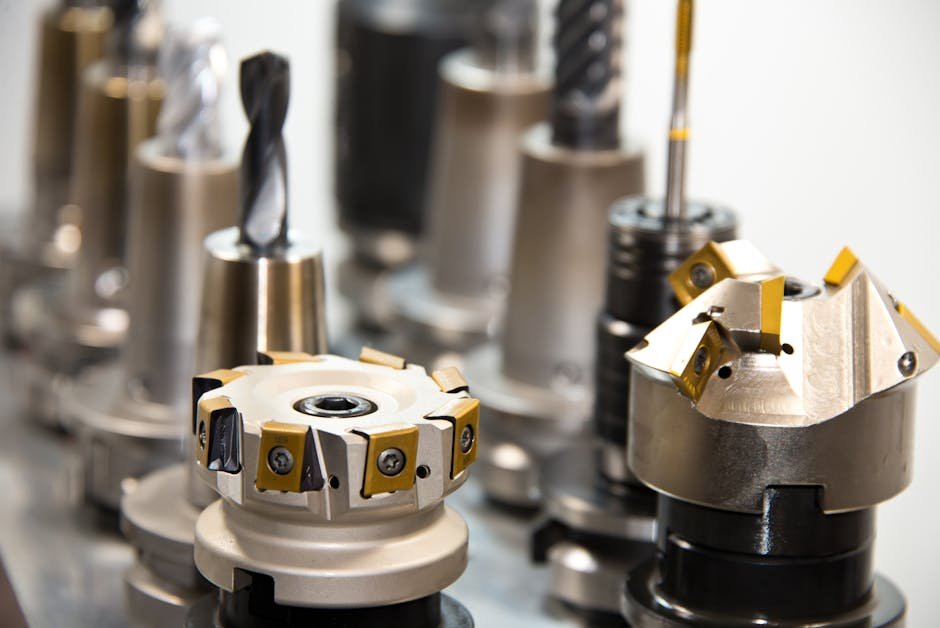

Understanding the dynamics of carbide recycling prices is essential for anyone dealing with this valuable industrial byproduct. Hard metal scrap, predominantly tungsten carbide, is a sought-after material due to tungsten’s high melting point, hardness, and wear resistance, making it crucial for manufacturing cutting tools, drill bits, and wear parts. Recycling not only provides an economic incentive but also supports environmental sustainability by reducing the need for virgin mining.
Whether you’re a small workshop generating a few kilograms of worn carbide insert recycling or a large industrial facility with tons of scrap, knowing how to navigate the market can significantly impact your bottom line. This guide will delve into the factors influencing current values and provide actionable advice on how to maximize your returns.
What Influences Carbide Recycling Prices?
Several critical factors converge to determine the going rate for scrap carbide. Unlike some other metals, tungsten carbide prices are heavily tied to global supply and demand for tungsten, which is considered a critical raw material.
- Global Tungsten Market: The price of tungsten on international commodity exchanges is the primary driver. Geopolitical events, mining output from major producers (like China), and industrial demand (especially from the automotive, aerospace, and construction sectors) directly impact tungsten prices, which in turn affect scrap carbide prices.
- Purity and Grade of Scrap: Clean, uncontaminated carbide scrap (e.g., solid inserts, drills) will command a higher price than mixed scrap containing brazing material, steel shanks, or other impurities. Sorting and cleaning your scrap before selling can significantly increase its value. Different grades of carbide, based on their cobalt binder content, can also influence pricing.
- Volume: Larger quantities of scrap carbide often attract better per-kilogram rates from recyclers and refiners. This is due to economies of scale in processing and transportation.
- Refining Costs: The cost associated with processing and refining scrap carbide back into usable tungsten powder or ferrotungsten also plays a role. These costs include energy, labor, and chemical treatments.
- Economic Conditions: General economic health impacts industrial production, which in turn affects the demand for new tools and, consequently, the demand for recycled tungsten carbide.
It’s important to remember that scrap metal prices are dynamic. For the most up-to-date information, consulting with reputable scrap metal buyers or industry platforms is always recommended. For a comprehensive guide on managing your carbide, read our article on Carbide Recycling How To Recover Sell And Profit.
Maximizing Your Returns for Scrap Carbide
To ensure you get the best possible carbide recycling prices, consider these strategies:
- Sort and Clean Your Scrap: Separate pure carbide from other metals. Remove any steel shanks, brazing material, or coatings. The cleaner your scrap, the higher the value.
- Accumulate Larger Quantities: If feasible, store your scrap until you have a substantial volume. Selling in bulk typically yields better rates.
- Understand Your Material: Know the type of carbide you have (e.g., solid inserts, end mills, saw tips). This information helps buyers assess its value accurately.
- Get Multiple Quotes: Don’t settle for the first offer. Contact several scrap metal recyclers or specialized carbide buyers to compare prices. Websites like ScrapTrade Australia can help connect you with buyers.
- Stay Informed: Keep an eye on global tungsten market trends and industrial news. Being aware of market fluctuations can help you decide the best time to sell.
By implementing these practices, you can significantly enhance the profitability of your carbide recycling efforts. Just as with Aluminum Can Recycling Prices How To Maximize Your Earnings, preparation is key.
The Future of Carbide Recycling
The outlook for carbide recycling remains strong. As global demand for high-performance materials continues to grow, so does the emphasis on sustainable resource management. Tungsten is a finite resource, and recycling plays a crucial role in extending its availability and reducing environmental impact. Innovations in recycling technology are constantly improving the efficiency and cost-effectiveness of processing complex carbide scrap, further solidifying its place in the circular economy.
The increasing awareness within the Recycling Community about the value of materials like tungsten carbide ensures a steady demand for recycled content. This commitment to sustainability, coupled with economic incentives, suggests a stable and potentially growing market for carbide recycling in the years to come.
In conclusion, staying informed about current carbide recycling prices and employing smart selling strategies will empower you to get the most value from your scrap carbide. It’s a win-win: you benefit financially, and you contribute to a more sustainable industrial future.
Frequently Asked Questions
What is the average carbide recycling price per kg in Australia?
In Australia, carbide recycling prices typically range from AUD$10 to AUD$25 per kilogram. These prices are highly variable and depend on factors such as the purity of the scrap, the volume being sold, and current global tungsten market conditions.
How can I get the best price for my scrap carbide?
To get the best price, ensure your carbide scrap is clean and free from contaminants like steel or brazing material. Accumulate larger volumes before selling, and always obtain quotes from multiple reputable buyers to compare offers.
What factors cause carbide recycling prices to fluctuate?
Carbide recycling prices fluctuate primarily due to changes in the global tungsten commodity market, influenced by industrial demand, mining output, and geopolitical events. Purity, volume, and refining costs also play significant roles in daily price variations.
Is carbide recycling environmentally beneficial?
Yes, carbide recycling is highly beneficial for the environment. It reduces the need for energy-intensive virgin tungsten mining, conserves natural resources, and minimizes landfill waste, contributing to a more sustainable industrial ecosystem.