

Maximising Your Returns: The Global Perspective on Catalytic Converters
As an Australian scrap metal dealer, you’re always on the lookout for opportunities to maximise your profits. While your primary focus might be on domestic markets, understanding the global landscape for valuable scrap materials like catalytic converters is essential. Today, we’re diving into the world of how to recycle catalytic converters in Luxembourg, not necessarily for direct shipping, but to gain a broader perspective on the precious metals market and how it impacts your business right here in Australia.
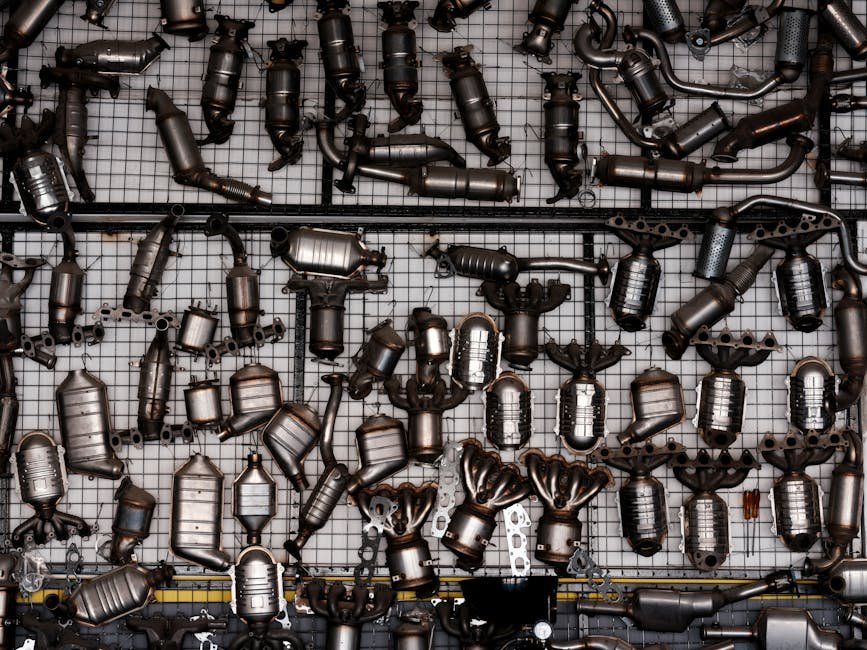
Catalytic converters are treasure troves of precious metals, primarily platinum, palladium, and rhodium. These metals are critical in reducing harmful emissions from vehicle exhausts. The demand for these metals fluctuates, influenced by automotive production, industrial needs, and global recycling efforts. By understanding how and where these converters are processed, you can better position yourself in the Australian market.
Why Luxembourg? A Hub for Precious Metal Recycling
Luxembourg, despite its small size, has established itself as a significant player in the precious metals industry. Specialized facilities in Luxembourg are equipped with advanced technology to efficiently extract and refine the valuable metals found in spent catalytic converters. This process is complex and requires stringent environmental controls, which is why these operations are often concentrated in regions with robust industrial infrastructure and regulatory frameworks.
While it’s unlikely to be economically viable for an Australian dealer to ship catalytic converters directly to Luxembourg for recycling due to freight costs and logistical complexities, understanding their processing capabilities provides valuable market intelligence. Knowing that there are sophisticated operations like those managed by Ecotrade Group Catalytic Converters in Europe can influence your pricing strategies and your understanding of global demand.
The Australian Advantage: Selling Your Catalytic Converters Locally
For Australian scrap metal businesses, the most practical and profitable approach is to focus on domestic recycling channels. The Australian market has its own network of processors and buyers who are adept at handling catalytic converters. The key to success lies in understanding the value of the metals within your converters and finding the right buyers.
Platforms like Scrap.Trade.com.au are invaluable resources for Australian dealers. They connect you with potential buyers and provide insights into current market prices, helping you secure the best deals for your scrap materials. Remember, the principles of maximizing profit remain the same, regardless of the geographical location of the final processing facility. For comprehensive advice on this, consult our guide on Selling Catalytic Converters: How To Maximize Your Profit Safely.
Global Market Insights for Australian Dealers
While you might not be shipping to Luxembourg, understanding global trends can significantly benefit your Australian operations. For instance, if there’s a surge in demand for platinum in industrial applications or jewelry, this will invariably impact the price of catalytic converters worldwide. Resources that track these trends, such as information on Selling Platinum Scrap: Jewelry, Catalytic Converters, Industrial (2026 Guide), can provide foresight.
Even if your interest in how to recycle catalytic converters in Luxembourg is purely for informational purposes, it highlights the interconnectedness of the global scrap metal market. Similar to how you might research recycling catalytic converters in Iceland or recycling catalytic converters in Greece, understanding these international markets helps you benchmark your own pricing and identify potential shifts in demand.
Key Takeaways for Australian Scrap Metal Dealers
- Focus Domestically: Prioritize Australian buyers and processors for your catalytic converters.
- Leverage Online Platforms: Use Scrap.Trade.com.au to find buyers and compare prices.
- Understand Global Value: Stay informed about global precious metal prices and demand trends.
- Educate Yourself: Learn about the sophisticated recycling processes used worldwide, even if you don’t directly participate.
- Safety First: Always follow safe handling and selling practices, as detailed in our profit maximization guide.
By keeping a broad perspective on the global catalytic converter market, including specialized recycling hubs like those in Luxembourg, Australian scrap metal dealers can make more informed decisions, secure better prices, and ultimately, grow their businesses more effectively. The journey of a catalytic converter from a vehicle to a refined precious metal is a global one, and understanding its path empowers you.
Frequently Asked Questions
Can I ship catalytic converters from Australia to Luxembourg for recycling?
While technically possible, shipping catalytic converters from Australia to Luxembourg for recycling is generally not cost-effective due to high freight costs, customs duties, and logistical complexities. It’s more practical for Australian dealers to focus on domestic recycling options.
What are the main precious metals in catalytic converters?
The primary precious metals found in catalytic converters are platinum, palladium, and rhodium. These metals are crucial for their catalytic properties in reducing vehicle emissions.
How can Australian scrap metal dealers benefit from understanding international recycling markets like Luxembourg?
Understanding international markets provides valuable insights into global demand and pricing for precious metals. This knowledge helps Australian dealers to better benchmark their own prices, negotiate more effectively with local buyers, and anticipate market shifts.
Where can I find information on selling catalytic converters in Australia?
You can find information and connect with buyers for selling catalytic converters in Australia through platforms like Scrap.Trade.com.au. They offer resources and market insights to help you maximize your profits.