
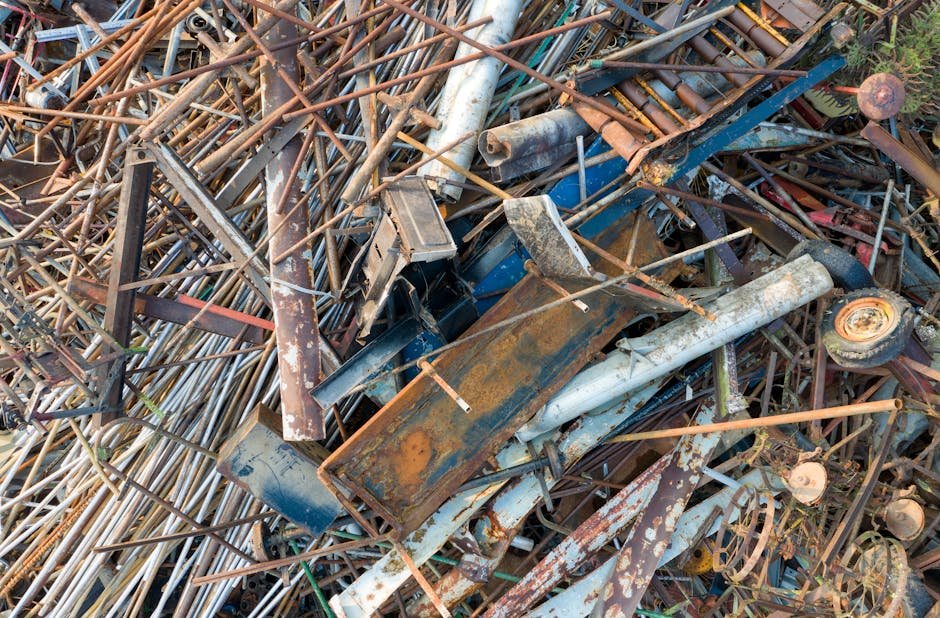

When searching for reliable scrap metal merchants Glenfield, it is essential to understand that the industry is built on the principles of circular economics and material recovery. As Australia continues to tighten its environmental regulations, the role of local merchants has evolved from simple collection points into sophisticated processing facilities. Whether you are a trade contractor, a demolition expert, or a household resident looking to clear your garage, understanding the local market is the first step to maximizing your financial return. If you are ready to turn your waste into wealth, you can sell scrap metal glenfield by visiting our professional facilities equipped to handle everything from copper wiring to heavy structural steel.
Understanding the Grades of Scrap Metal
The value of your scrap is determined primarily by its grade and purity. Metals are generally categorized into two main groups: ferrous and non-ferrous. Ferrous metals, such as iron and steel, contain iron and are magnetic. While they are usually traded in higher volumes, their individual price per kilogram is lower than non-ferrous alternatives. Non-ferrous metals, which include copper, aluminium, brass, and lead, do not contain iron and are highly valued for their conductivity, corrosion resistance, and infinite recyclability. When you visit scrap metal merchants Glenfield, you will find that the grading process is precise. Merchants use X-ray fluorescence (XRF) analyzers to determine the exact chemical composition of the metal to ensure you receive the correct market rate. For those looking for the most current data, checking Scrap Metal Prices is a necessary step before arriving at the yard. Understanding these grades allows you to sort your materials effectively, which significantly increases your payout. For example, stripping insulation from copper wire or separating clean aluminium from contaminated alloys can move your material into a higher pricing bracket.
The Process of Scrap Metal Recycling
The journey from a discarded item to a new industrial product is a multi-stage engineering process. Once you deliver your materials to scrap metal merchants Glenfield, the recycling workflow begins with sorting and identification. Advanced magnetic separators are used to pull ferrous metals from the stream, while eddy current separators are employed to isolate non-ferrous metals like aluminium. Following separation, the material undergoes size reduction. This involves shredding or shearing the metal into smaller, uniform pieces, which makes it easier to transport and process in a furnace. The final stage is melting and refining. The scrap is melted in large-scale furnaces, where impurities are removed, and the molten metal is cast into ingots or billets. These billets are then shipped to manufacturers who use them to create everything from car parts to beverage cans. If you are looking for a seamless experience, you can learn more about how to Sell Scrap Metal Near Me In 2026 to ensure you are following the latest industry compliance standards. Our network, including Scraptrade, provides the infrastructure needed to manage these large-scale logistics efficiently.
Environmental Benefits of Metal Recycling
The environmental impact of recycling scrap metal cannot be overstated. Mining and refining virgin ore is an energy-intensive process that results in massive carbon emissions and landscape degradation. By recycling, we drastically reduce the need for primary extraction. For instance, recycling aluminium saves approximately 95% of the energy required to produce the same amount of metal from bauxite ore. Furthermore, the recycling process significantly reduces water usage and toxic waste generation associated with mining. By choosing to work with professional merchants, you are directly contributing to a reduction in landfill waste and supporting the transition to a circular economy. As local businesses, we prioritize sustainable practices that align with Australia’s national waste policy. If you are researching options, you might find that searching for Scrap Metal Recycling Near Me connects you to facilities that adhere to these strict environmental standards. Beyond Glenfield, our services extend to neighboring areas, and many clients also utilize our scrap metal merchants minto facilities for larger industrial pickups.
Maximizing Your Returns: Practical Tips
To get the best value when dealing with scrap merchants, preparation is key. First, always clean your metal. Removing non-metallic attachments like plastic, rubber, or wood can drastically improve the grade of your scrap. Second, keep your metals separated by type. Mixing copper with iron or steel will often result in the entire load being graded as a lower-value “mixed” category. Third, keep an eye on the market. Metal prices fluctuate based on global demand, currency exchange rates, and geopolitical stability. By visiting the main platform regularly, you can stay informed about when to sell your stockpiled materials. Finally, ensure you have proper identification. Most reputable merchants in Australia require valid ID to comply with anti-theft regulations and to process payments securely. Building a long-term relationship with your local merchant can also lead to better service, faster turnaround times, and potentially better pricing for high-volume trade clients. Consistency in the quality of your scrap deliveries is the best way to become a preferred supplier at any yard.
The Future of Metal Recycling in Australia
The Australian scrap industry is currently undergoing a digital transformation. With the rise of smart logistics and better tracking technology, the efficiency of collecting and processing scrap is at an all-time high. Future trends suggest a move toward more localized processing, reducing the carbon footprint of transporting heavy scrap over long distances. Innovations in automated sorting, such as AI-driven cameras that can identify metal alloys in real-time, are becoming standard in modern yards. This technology ensures that the purity of recycled metal remains high, making it a viable alternative to virgin materials for high-tech manufacturing. As we look toward 2026 and beyond, the integration of blockchain technology to trace the origin of recycled materials will likely become a requirement for manufacturers seeking to meet ESG (Environmental, Social, and Governance) targets. By participating in this ecosystem today, you are helping to build a more sustainable future for the Australian manufacturing sector. Whether you are a small business owner or a private individual, your contribution to the recycling stream is a vital link in the global supply chain, ensuring that valuable resources are not lost to landfills but are instead repurposed for the next generation of infrastructure.
Safety and Compliance in Scrap Handling
Safety is the cornerstone of any professional scrap metal facility. Handling heavy, sharp, or potentially hazardous materials requires rigorous adherence to workplace health and safety (WHS) protocols. When visiting a yard, always follow the site signage, wear appropriate personal protective equipment (PPE) such as steel-capped boots and high-visibility vests, and remain in designated areas. Compliance is equally important. In New South Wales, scrap metal dealers are governed by specific legislation designed to prevent the sale of stolen goods. This is why you will always be asked for identification and why the merchant will keep detailed records of transactions. This regulatory framework protects both the buyer and the seller, ensuring that the industry remains transparent and professional. If you are unsure about the safety or legal requirements for disposing of specific items, such as large industrial machinery or electrical equipment containing hazardous substances, always consult with the merchant beforehand. A professional merchant will provide guidance on how to safely prepare and transport your materials, ensuring that you remain compliant with local laws while maximizing your safety and profit.
Building a Sustainable Industry
The success of the scrap metal industry in Australia is a collective effort. It involves the cooperation of households, demolition companies, manufacturers, and the merchants who bridge the gap between waste and raw material. By choosing to recycle, you are not just making a small amount of extra money; you are actively participating in the conservation of natural resources. The lifecycle of a metal product is theoretically infinite, meaning that the copper or steel currently in your possession could be recycled dozens of times without losing its structural integrity. This is the beauty of the circular economy. As we continue to refine our processes, the focus will remain on efficiency, transparency, and environmental responsibility. We encourage all residents and businesses to reach out to their local experts to learn more about how they can contribute to this vital industry. Whether you are clearing out a shed or managing a large-scale construction site, every kilogram of metal diverted from a landfill is a victory for the planet. We are committed to providing the best service, the most accurate pricing, and the highest standards of safety in the industry. Join us in making Australia a leader in metal recycling, one load at a time.
Frequently Asked Questions
What items are accepted by scrap metal merchants in Glenfield?
Most merchants accept a wide range of metals, including copper, aluminium, brass, lead, stainless steel, and ferrous metals like iron and steel. It is best to call ahead if you have large industrial equipment or items that may contain hazardous materials.
How are scrap metal prices determined?
Prices are determined by global commodity markets, the purity of the metal, and the current supply and demand. You can check our live updates to see how market shifts affect the value of your specific scrap grade.
Do I need to bring identification to sell scrap metal?
Yes, under Australian regulations, scrap metal dealers are required to verify the identity of sellers to prevent the trade of stolen goods. Please bring a valid government-issued photo ID, such as a driver’s license.
Why should I separate my scrap metal before visiting a yard?
Separating your metals by type and removing non-metallic attachments like plastic or wood ensures you receive the highest possible grade for your material. Mixed loads are typically valued at the lowest common denominator price.