

When it comes to steel recycling Glenfield, both industrial contractors and local residents play a vital role in the circular economy. By diverting scrap steel from landfills, we not only conserve natural resources but also fuel the local manufacturing sector. Understanding the nuances of the scrap market is essential for maximizing the value of your materials.
Understanding Ferrous Metals and Steel Grades
To succeed in the metal recycling industry, you must first distinguish between different types of materials. Steel is classified as a ferrous metal, meaning it contains iron and is magnetic. In the context of steel recycling Glenfield, you will primarily encounter mild steel and sheet metal. Mild steel is the most common form of carbon steel, widely used in construction, automotive parts, and household appliances. Because of its high iron content and relative ease of processing, it is highly sought after by recycling facilities.
Sheet metal, on the other hand, is steel rolled into thin, flat pieces. It is ubiquitous in the construction industry, used for roofing, ductwork, and siding. When preparing these materials for a scrap yard, cleanliness is paramount. Contaminants like plastic, rubber, or concrete can significantly lower the grade of your scrap, which in turn affects the recycling steel price you receive. If you are unsure about the composition of your metal, a simple magnet test is the first step in identifying whether you are dealing with ferrous or non-ferrous materials.
The Economic Impact of Steel Recycling
The global demand for steel is cyclical, and the Australian market is no exception. The steel price per tonne is determined by a variety of factors, including global supply chain logistics, the price of iron ore, and energy costs. When you choose to recycle, you are participating in a global commodity market. By bringing your scrap to a professional facility, you ensure that the material is processed according to environmental standards, which is a key focus of the Recycling Community.
For businesses in the Glenfield area, implementing a robust scrap management plan can turn a waste management cost into a revenue stream. Whether you are dealing with offcuts from a fabrication shop or decommissioned structural steel from a demolition site, understanding the current market rates allows you to plan your logistics effectively. We encourage all participants to stay informed about market fluctuations, as they directly influence the financial viability of recycling operations.
Logistics: Finding Reliable Recycling Services
Navigating the logistics of moving heavy scrap can be daunting. If you are searching for Scrap Metal Recycling Near Me, you need to consider proximity, equipment capabilities, and payment transparency. A professional scrap yard should offer more than just a drop-off point; they should provide the tools, such as industrial scales and heavy-duty loading equipment, to handle large volumes of material efficiently. For those looking for Metal Recycling Near Me, it is important to verify that the facility is licensed to handle industrial waste.
Furthermore, if you are working on a large-scale project, logistics support is crucial. Many facilities in the Sydney region, particularly those specializing in steel recycling sydney, provide bin services or truck pickups. This is particularly useful for construction sites where accumulating large quantities of sheet metal or structural beams is common. By streamlining the collection process, you minimize the carbon footprint associated with transporting heavy materials, further enhancing the environmental benefits of your recycling efforts.
Best Practices for Preparing Scrap Steel
Preparation is the secret to maximizing the value of your scrap. While it might be tempting to throw everything into one pile, sorting your metals can significantly increase your payout. Separate your mild steel from other ferrous alloys, and remove any non-metallic attachments. For example, if you are recycling a steel door, remove the hinges, locks, and any glass or plastic components. This clean, sorted scrap is categorized as ‘prepared’ steel, which commands a higher price than ‘unprepared’ or mixed scrap.
It is also worth noting that safety should never be compromised. Scrap steel can have sharp edges, and handling heavy beams requires proper protective equipment (PPE). Always wear heavy-duty gloves, steel-toed boots, and eye protection. If you are dealing with large structural elements, ensure you have the appropriate lifting equipment. For those starting their journey, our platform at Scrap Trade provides extensive resources on how to handle, store, and transport various scrap types safely and efficiently.
The Future of Steel Recycling in Glenfield
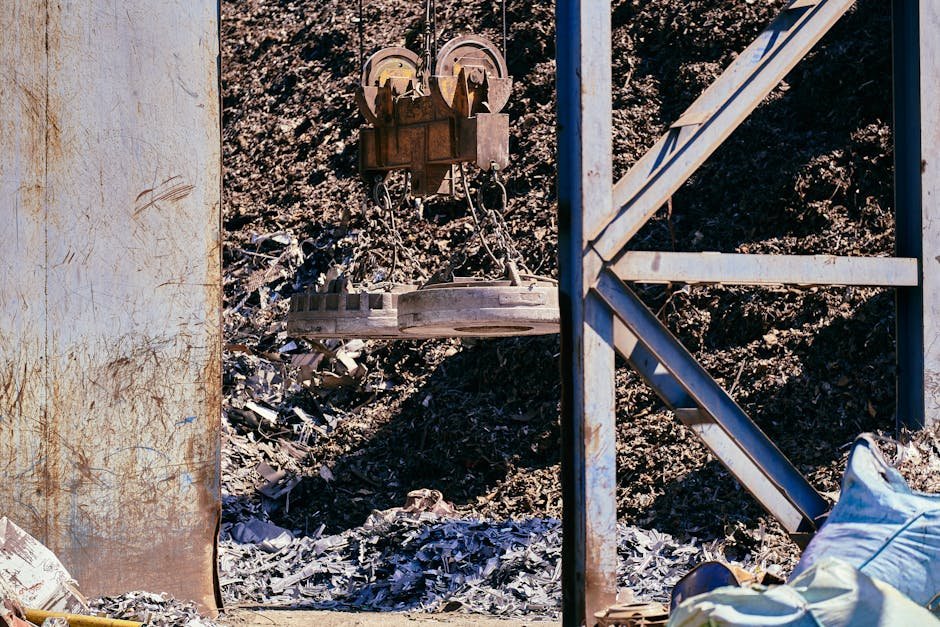
The future of steel recycling Glenfield is bright, driven by technological advancements in automated sorting and the growing demand for green steel. As the industry moves toward a more sustainable model, the role of the local scrap yard is evolving. Modern facilities are investing in advanced shredders and magnetic separators that can recover even the smallest fragments of steel from mixed waste streams. This technological leap means that less material ends up in the bin, and more is returned to the production cycle.
Moreover, the shift toward a circular economy is being supported by government policies that incentivize the use of recycled materials in infrastructure projects. For local contractors and businesses, this creates a unique opportunity to align their operations with sustainability goals. By partnering with reputable recyclers who utilize these advanced technologies, you are contributing to a cleaner, more efficient industrial landscape in New South Wales. For more information on how to optimize your business’s waste management, visit Scrap Trade Australia for expert industry insights.
Environmental Benefits and Energy Savings
One of the most compelling reasons to prioritize steel recycling is the massive energy saving involved. Producing new steel from raw iron ore is an energy-intensive process that requires mining, crushing, and smelting at extremely high temperatures. In contrast, recycling existing steel requires significantly less energy because the material has already been refined. This reduction in energy consumption directly translates to lower greenhouse gas emissions.
When you recycle, you are effectively preserving the Earth’s finite resources. Every tonne of steel recycled saves approximately 1.5 tonnes of iron ore, 0.5 tonnes of coal, and 40% of the water used in traditional steel production. In the context of Glenfield, where urban development is constant, the cumulative impact of local recycling efforts is substantial. By making the conscious choice to recycle, you are helping to mitigate the environmental degradation associated with mining and large-scale industrial processing.
Maximizing Your Returns: A Strategic Approach
To truly master the scrap market, you must treat it with the same level of strategic planning as any other business expense. This involves keeping track of the market, understanding the grade of your materials, and maintaining good relationships with your local yard. If you have a consistent volume of scrap, talk to the yard manager about long-term pricing agreements. Often, volume-based incentives can provide a more stable revenue stream than spot-market pricing.
Additionally, keep an eye on the timing of your sales. While you cannot always control when you have scrap to sell, if you have the storage capacity, you might choose to hold onto your material during periods of low market prices and sell when the demand—and consequently the price—rises. Always consult reliable sources for the latest market updates to ensure you are well-positioned to make the best financial decisions for your scrap inventory.
Conclusion: Taking Action Today
The process of steel recycling Glenfield is more than just a way to clear out a workshop or a construction site; it is a commitment to a sustainable future. By understanding the value of your ferrous metals, preparing them correctly, and choosing the right partners, you can turn your scrap into a valuable asset while protecting the environment. Whether you are a small business owner or a local resident, every piece of steel recycled makes a difference. Start by identifying your scrap, cleaning it, and contacting a local facility to begin your journey toward responsible metal management.
Related: recycling steel price
Frequently Asked Questions
How do I know if my metal is suitable for steel recycling?
The easiest way to check is using a magnet. If the magnet sticks firmly to the metal, it is likely a ferrous metal like mild steel, which is perfect for recycling.
Does the condition of the steel affect the price?
Yes, clean and sorted steel without rust, paint, or non-metallic attachments like plastic or wood will always command a higher price than mixed or contaminated scrap.
How often do steel recycling prices change?
Scrap metal prices are subject to global market fluctuations and can change weekly or even daily. It is recommended to check the latest rates before taking a large load to the yard.
Can I bring small amounts of steel to a recycling facility?
Most recycling yards accept small quantities from the public, but it is always best to call ahead to confirm their opening hours and any specific requirements for drop-offs.