

When you are searching for reliable scrap metal removal Glenfield services, it is essential to understand the full lifecycle of the materials you are handling. Whether you are a local business owner clearing out industrial waste or a resident looking to dispose of old appliances, the process of recycling metal is a cornerstone of the circular economy in New South Wales. By choosing professional services, you ensure that your waste is diverted from landfills and processed in compliance with strict environmental regulations.
Understanding Metal Grades and Classification
To maximize the value of your materials, you must first understand the distinction between ferrous and non-ferrous metals. Ferrous metals contain iron and are magnetic; they are the backbone of construction and heavy machinery. Examples include carbon steel, alloy steel, wrought iron, and cast iron. Because these are produced in massive quantities, they are the most recycled materials globally. When you look to Sell Scrap Metal Near Me In 2026, knowing your steel grade—whether it is structural beams, rebar, or light gauge sheet metal—is vital for accurate valuation.
Non-ferrous metals, conversely, do not contain iron and are generally more valuable due to their resistance to corrosion and their infinite recyclability. This category includes copper, aluminium, brass, lead, and stainless steel. Copper, in particular, is a high-demand commodity in the electrical and plumbing industries. When you engage with scrap metal merchants glenfield, you will find that these metals are graded based on purity levels. For instance, ‘bright and shiny’ copper wire commands a higher price than copper tubing that has been soldered or painted. Understanding these nuances allows you to sort your scrap effectively before it reaches the yard, ensuring you get the best return on your investment.
Stainless steel is another critical category. It is an alloy of iron with a minimum of 10.5% chromium, which provides its signature resistance to rust. Because of its nickel and chromium content, it is highly sought after by manufacturers. When you prepare for your scrap metal removal glenfield project, separating your stainless steel from regular carbon steel is a simple step that significantly increases the overall value of your load. Our platform, Scrap Trade, provides detailed resources on how to identify these grades using simple tools like magnets and visual inspection techniques.
The Scrap Metal Recycling Process Explained
The journey from a discarded piece of metal to a new product is a sophisticated industrial process. Once your metal is collected through a professional scrap metal removal glenfield service, it is transported to a processing facility. The first stage is sorting. Modern facilities use advanced technology, including X-ray fluorescence (XRF) analyzers and eddy current separators, to distinguish between different alloys and remove contaminants like plastic or rubber.
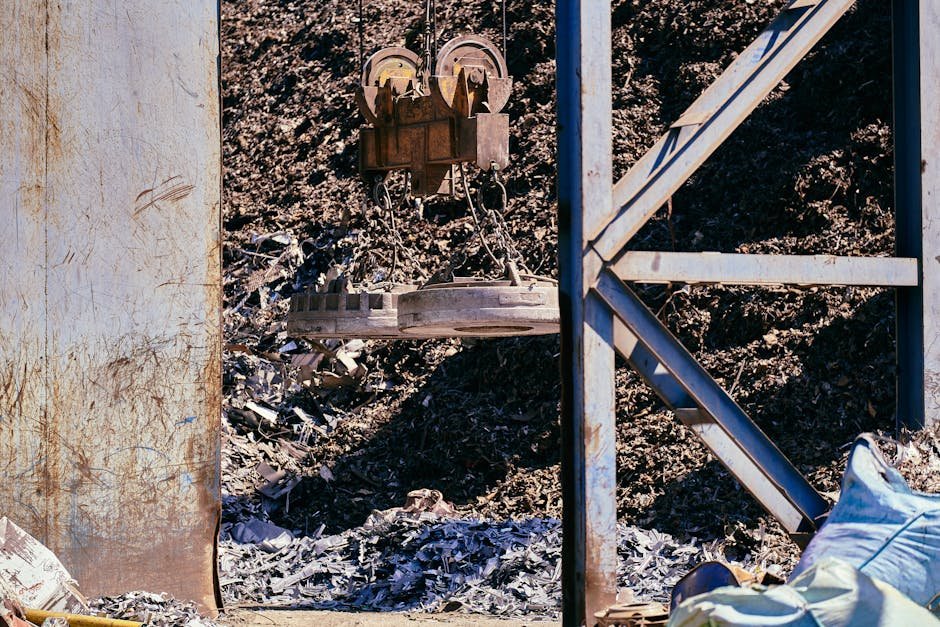
After sorting, the metal is shredded or sheared. Shredding breaks the metal into small, manageable pieces, which makes it easier to separate ferrous from non-ferrous materials using powerful magnets. For non-ferrous metals, eddy current separators are used to create a magnetic field that repels non-magnetic metals, allowing them to be sorted into distinct piles. This mechanical separation is crucial because it ensures the purity of the scrap, which is a requirement for high-end manufacturing applications.
Once sorted and cleaned, the metal is compacted into dense bales. Baling is essential for logistics; it allows for efficient transport to steel mills or smelters. At the mill, the scrap is melted in a furnace. The molten metal is then cast into ingots or billets, which are the raw materials for the next generation of products. This entire cycle consumes significantly less energy than extracting virgin ore from the earth. By participating in this system, you are directly contributing to a reduction in mining activity and a decrease in greenhouse gas emissions. For those looking to find a facility, searching for Scrap Metal Recycling Near Me will connect you with local experts who can facilitate this process efficiently.
Environmental Benefits of Metal Recycling
The environmental impact of recycling cannot be overstated. When we recycle aluminium, for example, we save approximately 95% of the energy required to produce the same amount of aluminium from bauxite ore. This energy savings translates directly into a reduced carbon footprint. Furthermore, the mining of raw materials often leads to deforestation, habitat destruction, and soil erosion. By keeping metal in the supply chain, we reduce the demand for these destructive extraction processes.
Water usage is another critical factor. The production of virgin steel requires massive amounts of water for cooling and processing. Recycling steel, however, uses a fraction of that water. Additionally, recycling helps manage the waste stream in urban environments like Glenfield. Instead of appliances, vehicles, and construction debris ending up in local landfills, they are repurposed. This conservation of landfill space is a vital component of sustainable urban planning. When you choose to sell scrap metal glenfield, you are not just making a transaction; you are participating in a global effort to conserve natural resources for future generations.
The economic impact is equally significant. The scrap metal industry provides thousands of jobs, from collection and logistics to high-tech processing and engineering. By supporting local recycling infrastructure, you are helping to build a more resilient local economy. The industry is constantly evolving, with new technologies making it easier to recycle complex materials like circuit boards and rare earth metals found in modern electronics. To stay updated on the latest industry trends and pricing, visit Scrap Trade Australia for expert insights.
Market Dynamics and Pricing Factors
Understanding Scrap Metal Prices is essential for anyone involved in the trade. Prices are not static; they fluctuate based on global supply and demand, the strength of the Australian dollar, and the cost of energy. When demand for steel in the construction sector is high, prices for ferrous scrap tend to rise. Conversely, when manufacturing slows down, prices may dip. It is important to monitor these trends if you are holding onto large quantities of metal.
Geopolitical factors also play a massive role. Since metal is a globally traded commodity, events in major manufacturing hubs like China, India, or the United States can influence the price you receive at your local yard. Understanding these macro-economic indicators can help you time your sales for maximum profit. However, for most individuals and small businesses, the best strategy is to focus on volume and quality. Clean, sorted scrap will always fetch a better price than mixed, contaminated loads. Taking the time to remove non-metallic attachments like plastic handles, rubber seals, or wooden frames can add significant value to your load.
Another factor in pricing is transportation costs. If you have a large amount of heavy scrap, the cost of moving it to the yard must be factored into your net profit. Professional removal services often factor this into their quotes. By providing clear photos and accurate descriptions of your scrap, you can get a more accurate estimate of your potential earnings. Always ensure that you are dealing with reputable merchants who use calibrated scales and provide transparent pricing structures. Transparency is the hallmark of a professional scrap metal merchant.
Practical Tips for Preparing Your Scrap
Preparation is the secret to a successful scrap metal transaction. First and foremost, safety is paramount. Wear gloves and sturdy boots when handling metal, as it can be sharp and heavy. Use a magnet to test your items; if it sticks, it is likely steel or iron. If it does not, it could be aluminium, copper, or brass, which are generally more valuable. Keep these piles separate to avoid mixing grades, which can lead to a lower price for the entire load.
If you are disposing of large items like white goods or machinery, try to dismantle them if you have the tools and the safety equipment. Removing the electric motor from an appliance can yield a high-value item (copper windings) separate from the steel casing. However, never attempt to dismantle items that contain hazardous materials, such as capacitors, mercury switches, or pressurized gas canisters. These require specialized handling and should be left to the professionals.
Maintain a log of your scrap. For businesses, this is particularly important for tax and environmental compliance. Keeping records of what you sold, when, and to whom can help you track your waste management efficiency. If you are regularly generating scrap, consider setting up a dedicated storage area that is dry and organized. This prevents oxidation (rust) and makes the loading process much faster when it comes time for removal. Remember that a clean, organized load is always appreciated by the yard and can often lead to faster processing times and better relationships with your local merchants.
Future Trends in the Scrap Industry
The future of scrap metal recycling is bright, driven by technological innovation and a growing societal commitment to sustainability. We are seeing the rise of ‘smart’ sorting technologies that use artificial intelligence to identify materials in real-time. These systems can distinguish between different grades of aluminium alloys, which was previously a very difficult task. This level of precision allows for the creation of ‘closed-loop’ recycling, where scrap is turned back into the exact same product it came from, rather than being ‘downcycled’ into a lower-grade material.
Another trend is the focus on recovering rare earth elements from electronic waste. As the world transitions to renewable energy and electric vehicles, the demand for metals like lithium, cobalt, and neodymium is skyrocketing. The scrap industry is adapting to this by developing new techniques to recover these critical materials from batteries and motors. This is a rapidly growing sector that will define the next decade of metal recycling.
Furthermore, the push for a circular economy is leading to more regulation and corporate responsibility. Companies are being held accountable for the entire lifecycle of their products, from design to disposal. This means that manufacturers are increasingly designing products that are easier to disassemble and recycle. As a consumer or business owner, you are part of this ecosystem. By choosing to recycle, you are supporting the infrastructure that makes these advancements possible. Whether you are a small-scale recycler or a large industrial partner, your contribution is vital to the health of our planet and the efficiency of our global supply chain.
Conclusion: Taking Action in Glenfield
The importance of proper scrap metal management in Glenfield cannot be overstated. It is a practical way to manage waste, earn extra income, and contribute to a healthier environment. By understanding the different grades of metal, the logistics of the recycling process, and the factors that influence market pricing, you are well-equipped to make the most of your scrap. Whether you are clearing out a shed or managing industrial waste, the key is to prioritize safety, sorting, and partnering with reputable professionals.
When you are ready to move your materials, look for established merchants who prioritize transparency and environmental compliance. Utilize the resources available on our platform to stay informed about market trends and to find the right partners for your needs. The transition to a more sustainable future is a collective effort, and by participating in the scrap metal economy, you are playing a direct role in that shift. Remember that every kilogram of metal recycled is a step away from resource-intensive mining and a step toward a more efficient, circular world. Take the first step today by evaluating your scrap and connecting with local experts who can help you turn your waste into a valuable resource.
Related: scrap metal merchants glenfield
Frequently Asked Questions
What is the most valuable scrap metal to collect?
Copper is generally the most valuable common scrap metal due to its high demand in electrical and plumbing industries. Other high-value metals include brass, stainless steel, and aluminium, though prices fluctuate based on market conditions.
How should I prepare my scrap metal for removal?
To get the best value, sort your metals into separate piles (ferrous vs. non-ferrous) and remove non-metallic attachments like plastic, rubber, or wood. Keeping your scrap clean and dry also prevents rust and ensures a higher grade classification.
Can I recycle appliances that contain refrigerants?
Yes, but you must ensure that any refrigerants are professionally degassed before the scrap is processed. Many scrap yards will require a certificate of destruction or proof of degassing for items like fridges and air conditioners.
How often do scrap metal prices change?
Scrap metal prices can change daily or weekly based on global commodity markets, currency exchange rates, and local industrial demand. It is recommended to check current price lists or contact your local merchant shortly before you plan to sell.