
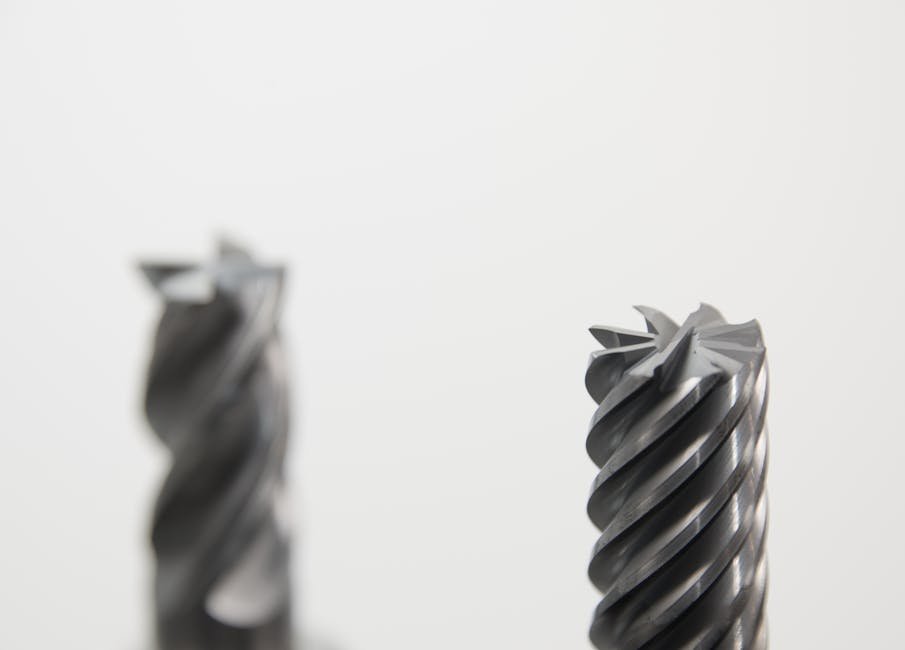

Understanding the nuances of scrap metal prices tungsten carbide is essential for industrial suppliers, machine shops, and mining contractors looking to optimize their waste management revenue. Unlike common ferrous scrap, tungsten carbide is a high-value, critical material that demands a specialized approach to valuation. As global industries push toward circular economies, the market for recycled tungsten has become increasingly sophisticated, making it vital for sellers to stay informed about current market trends and the factors that influence their bottom line.
Understanding the Market for Tungsten Carbide
Tungsten carbide, often referred to as cemented carbide, is a composite material used extensively in cutting tools, drill bits, and wear-resistant components. Because tungsten is a finite resource with significant geopolitical supply chain risks, the recycling of this material is a cornerstone of the modern manufacturing sector. When evaluating scrap metal prices tungsten carbide, it is important to recognize that you are not just selling a metal; you are selling a refined chemical asset. The value is primarily driven by the tungsten content—often exceeding 90% in high-grade inserts—and the cobalt binder that holds the structure together.
To track the market effectively, professionals often consult Scrap Metal Prices to understand the broader commodity landscape. However, carbide is a niche market that operates differently from bulk steel or copper. Prices are set based on the “contained tungsten” value, which is benchmarked against the London Metal Exchange (LME) and specific industry indices for tungsten ore. When you are ready to sell, knowing how to approach the market is key. For those looking for local options, checking Scrap Metal Prices Near Me can provide a starting point, though specialized carbide buyers often offer better rates than general scrap yards due to their ability to refine the material directly.
Factors Influencing Scrap Metal Prices Tungsten Carbide
Several variables impact the price per kg you will receive for your carbide scrap. The most significant factor is the purity of the material. Tungsten carbide is often contaminated with steel shanks, brazing material, or other alloys. A clean, pure batch of carbide inserts will always command a higher price than a mixed bin of drill bits with steel attachments. Buyers must account for the labor costs involved in separating these materials, which directly reduces the payout to the seller.
Global demand is another massive driver. When the automotive sector is booming, the demand for high-performance cutting tools increases, which in turn spikes the value of recycled tungsten. Conversely, if the mining sector slows down, demand for heavy-duty drill bits drops, potentially softening the market. Furthermore, since tungsten is often sourced from conflict-sensitive regions, ethical sourcing and supply chain transparency have become major factors. Companies that can provide documentation regarding the origin and grade of their scrap are often able to negotiate better terms. Mastering How To Negotiate Scrap Metal Prices Internationally is a skill that high-volume suppliers must develop to ensure they are getting fair market value regardless of local fluctuations.
Grading and Classification of Carbide Scrap
Not all carbide is created equal. The industry classifies scrap based on its chemical composition and previous application. Understanding these grades is the first step in maximizing your return. The most common grades include:
- Tungsten Carbide Inserts: These are the gold standard for recyclers. They are generally high-purity, free of steel, and easy to process.
- Tungsten Carbide Drill Bits: Often contain steel shanks. These require mechanical separation, which lowers the overall price per kg compared to pure inserts.
- Mining Grade Carbide: Often used in heavy-duty rock drilling. This material may have higher cobalt content, which is valuable but requires specific refining techniques.
- Tungsten Heavy Alloys: Used in military and aerospace applications, these alloys are highly sought after but require strict compliance and documentation.
When you browse carbide scrap metal prices, you will notice that the quoted rate is often a range. This range accounts for the variability in these grades. Always sort your scrap before bringing it to a buyer. Separating your high-grade inserts from your steel-contaminated bits will almost always result in a higher total payout. If you are unsure of your grade, use a handheld XRF (X-ray fluorescence) analyzer if available, or consult with experts at Australia’s leading metal trading platform for an assessment.
The Recycling Process: From Scrap to New Tooling
The recycling of tungsten carbide is a marvel of industrial chemistry. Once the scrap is collected, it undergoes a rigorous process to return it to a powder state. The most common method is the Zinc Process, where the carbide is heated in a molten zinc bath. The zinc reacts with the cobalt binder, causing the material to expand and crumble into a powder. The zinc is then distilled away, leaving behind the tungsten carbide powder, which can be re-pressed and sintered into new cutting tools.
This closed-loop system is highly efficient, saving up to 70% of the energy compared to mining virgin tungsten ore. Because the process is so effective, the secondary market for carbide is robust. By participating in this cycle, businesses are not only recouping costs but also contributing to a sustainable manufacturing ecosystem. For those dealing with larger industrial waste streams, including scrap carbide prices, it is worth exploring long-term contracts with specialized recyclers to stabilize your revenue stream against daily market volatility.
Environmental Benefits and Circular Economy
The environmental impact of mining tungsten is significant, involving heavy energy consumption and land disruption. By recycling carbide, we significantly reduce the need for new mining operations. Furthermore, because tungsten is a heavy metal, its improper disposal poses risks to soil and groundwater. Professional recycling ensures that these materials are handled in compliance with strict environmental regulations.
In the context of the broader scrap industry, tungsten recycling is often integrated with other recovery efforts. For instance, in the automotive industry, the scrap metal trading platform often sees carbide scrap recovered alongside other components from an end-of-life vehicle (ELV). While the primary focus of car wreckers is usually steel, aluminum, and copper, the high-performance tools used in auto parts manufacturing and vehicle recycling facilities are a significant source of high-grade carbide. As we move toward a more sustainable future, the role of ELV processing in recovering rare and critical materials like tungsten will only grow in importance.
Practical Tips for Maximizing Your Returns
To ensure you are getting the best possible price for your tungsten carbide, follow these expert tips:
- Clean your scrap: Remove any visible steel, plastic, or ceramic attachments. The cleaner the material, the higher the grade.
- Sort by grade: Keep different types of carbide separate. Mixing high-purity inserts with low-grade mining bits will result in the buyer paying you the lower grade rate for the entire batch.
- Store properly: Keep your scrap in dry, labeled containers. Oxidation and contamination from oils or coolants can sometimes affect the processing costs.
- Build relationships: Don’t just sell to the first buyer you find. Establish a relationship with a specialized buyer who understands your specific volume and grade of material.
- Monitor metal prices today: Keep an eye on global trends. If you have a large inventory, you may want to time your sale to coincide with market peaks.
By treating your carbide scrap as a valuable asset rather than just “trash,” you can turn a significant profit. Always remember that metal prices today are dynamic, and staying informed is your best defense against market volatility. Whether you are a small machine shop or a large-scale industrial operation, the principles of professional scrap management remain the same: sort, clean, and stay informed.
Conclusion: The Future of Tungsten Recycling
The market for tungsten carbide is evolving, driven by technological advancements and the increasing necessity of resource security. As an expert in the field, I encourage you to view your scrap not as a byproduct of your business, but as a secondary revenue stream. By leveraging the insights provided in this guide, you can navigate the complexities of scrap metal prices tungsten carbide with confidence. Whether you are dealing with small quantities of inserts or large volumes of industrial tooling, the key to success lies in understanding the material, the market, and the recycling process. For ongoing support and to stay updated on the latest industry developments, continue to utilize resources from our comprehensive scrap metal trading platform. Together, we can build a more efficient, profitable, and sustainable future for the Australian metal industry.
Frequently Asked Questions
What is the primary factor affecting the price of tungsten carbide scrap?
The primary factor is the tungsten content and the purity of the material. Contaminants like steel, braze, or ceramic significantly lower the value, so clean, pure carbide always commands the highest price.
How often do scrap metal prices for tungsten change?
Tungsten prices can fluctuate daily based on global commodity markets, similar to other non-ferrous metals. It is recommended to check current market indices frequently if you are holding significant inventory.
Can I sell drill bits that still have steel shanks attached?
Yes, you can sell them, but they will be graded lower than pure carbide inserts. The recycler will factor in the cost of labor and energy required to separate the steel from the carbide.
Why is tungsten carbide considered a critical material?
Tungsten is a finite resource with high industrial demand for cutting and wear-resistant tools. Because it is essential for manufacturing and has a limited supply chain, recycling it is crucial for economic and environmental sustainability.