
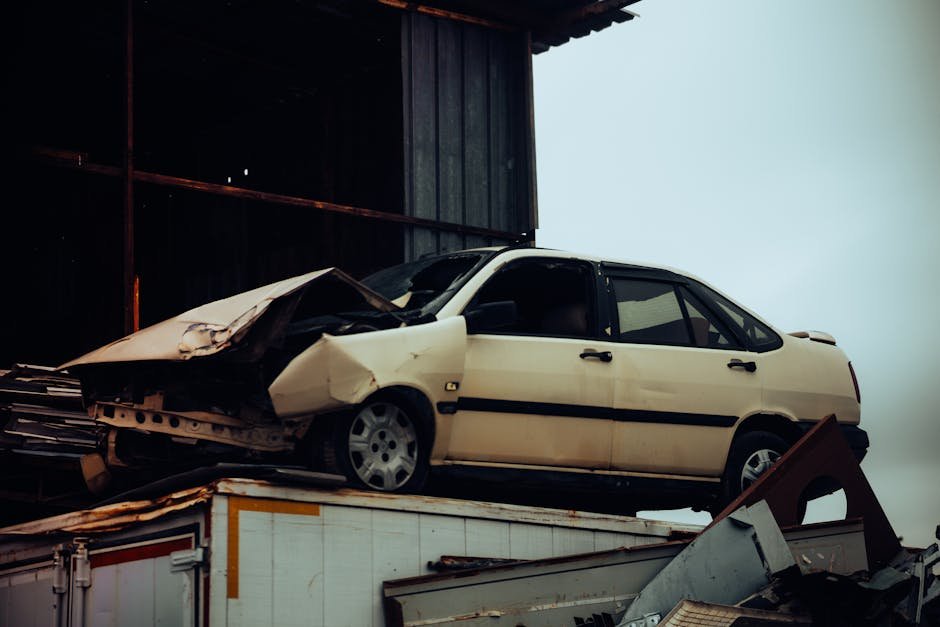

When you are looking for professional car removal Sussex Inlet, it is essential to understand the lifecycle of your vehicle and how to extract the maximum financial return from its remaining components. Sussex Inlet, situated in the beautiful Shoalhaven region of New South Wales, presents unique logistical challenges for vehicle disposal, but with the right approach, you can turn an eyesore into a profitable asset. Whether your vehicle is a non-runner, damaged beyond repair, or simply an end of life vehicle (ELV) taking up space in your driveway, modern recycling practices ensure that nearly every part of the car is repurposed.
Understanding the Vehicle Recycling Process in Sussex Inlet
Vehicle recycling is a sophisticated industrial process that goes far beyond simple crushing. When you engage a professional service for car removal Sussex Inlet, you are participating in a circular economy that prevents hazardous materials from leaching into the local environment. The process begins with the depollution phase, where fluids such as engine oil, transmission fluid, coolant, and brake fluid are carefully drained and stored for specialized processing. This is a critical step in managing an end of life vehicle, as these substances are highly toxic if left to leak into the soil or groundwater.
Once the vehicle is depolluted, it enters the dismantling stage. Professional car wreckers evaluate the vehicle to see if any components can be salvaged for reuse. This is where the distinction between scrap value and parts value becomes crucial. For those looking to understand the financial nuances, our Sell Car Scrap For Parts Vs Whole Value Comparison 2026 Guide provides an in-depth breakdown of how to decide which route offers the best return. Often, high-demand auto parts like alternators, starter motors, and body panels can fetch a premium, whereas the shell itself is relegated to the shredder.
The final stage is the mechanical shredding of the steel frame. Modern shredders are equipped with magnetic separators and eddy current separators that can distinguish between ferrous metals (steel and iron) and non-ferrous metals (aluminum, copper, and lead). If you have a vehicle with a heavy engine block, you might want to review our Sell Aluminum Engine Scrap Car Truck Engines 2026 Guide to ensure you are getting the correct market rate for the high-value alloy components.
Why Professional Car Removal Sussex Inlet is the Best Choice
Attempting to dispose of an old vehicle yourself can be a logistical nightmare. Between the cost of towing, the legal requirements for registration cancellation, and the environmental regulations regarding fluid disposal, it is rarely worth the effort. Professional services streamline this entire process. When you choose a reputable operator, they handle the heavy lifting, the transport, and the compliance paperwork, ensuring that your vehicle recycling experience is seamless.
For residents in surrounding areas, we also provide specialized services such as car removal warrawong and car removal manyana, ensuring that the entire South Coast has access to high-quality scrap metal management. By utilizing a professional service, you avoid the risks associated with backyard scrap dealers who may not adhere to strict environmental standards. Always ensure that the company you choose is licensed and follows the Scrap Metal Removal How To Dispose Sell And Maximize Value best practices to protect yourself from liability.
Maximizing the Value of Your Scrap Vehicle
Many vehicle owners underestimate the value of their scrap cars. Even if a car is not running, the raw materials are worth a significant amount. To maximize your return, start by removing any personal belongings and non-metallic items that might contaminate the recycling stream. You should also check if your battery is still functional, as lead-acid batteries are highly recyclable and have a distinct value in the scrap market.
If you are looking for a reliable platform to list your scrap or find buyers, visit our scrap metal trading platform to connect with verified recyclers. Additionally, for those interested in the broader Australian market trends, our team at Scraptrade offers comprehensive data on commodity pricing and industry standards. Remember that the market for scrap metal fluctuates daily based on global demand, so it is often wise to sell when commodity prices for steel and aluminum are peaking.
The Environmental Impact of Proper ELV Disposal
Every year, thousands of vehicles reach their end of life. If these vehicles are abandoned or sent to illegal landfills, the environmental cost is staggering. Tires, for instance, are notoriously difficult to dispose of and can become breeding grounds for pests if left in the open. Professional recycling centers in Sussex Inlet utilize advanced tire shredding technology to turn old tires into crumb rubber, which is then used in road construction, playground surfaces, and athletic tracks.
Furthermore, the recovery of aluminum and copper from vehicles significantly reduces the need for raw ore extraction. Mining is an energy-intensive process; by recycling an ELV, we save up to 95% of the energy required to produce new aluminum from bauxite. This makes your decision to use a professional car removal service an act of environmental stewardship that contributes to a more sustainable future for the Shoalhaven region.
Logistics and Safety in Vehicle Recovery
Safety is the primary concern during the recovery of a scrap vehicle. Whether the car is located in a tight garage, on a steep slope, or in a remote area of Sussex Inlet, the recovery team must use specialized equipment like tilt-tray trucks and winches to prevent damage to surrounding property. A professional service will conduct a site assessment before attempting to move the vehicle.
When preparing for your car removal, ensure that the path to the vehicle is clear of debris. If the vehicle has been sitting for a long time, the tires may be flat, or the brakes may be seized. Inform the removal team of these conditions in advance so they can bring the appropriate dollies or jacks. This preparation ensures that the removal process is quick, safe, and efficient, minimizing the disruption to your daily routine.
Legal Requirements and Documentation
In New South Wales, it is imperative that you notify the authorities when a vehicle is scrapped. Failure to do so can result in ongoing registration fees or, worse, liability if the vehicle is later involved in an incident. When you sell your car to a professional wrecker, they will often provide you with a receipt or a certificate of destruction. Keep this document safe, as it serves as proof that you have disposed of the vehicle through a legitimate, authorized facility.
Check your local council regulations regarding the storage of derelict vehicles. Many councils have strict bylaws against keeping unregistered, non-functioning vehicles on residential properties, as they can be considered a public nuisance or a fire hazard. By organizing your car removal promptly, you avoid potential fines and keep your property looking clean and organized.
Future Trends in Vehicle Recycling
The automotive industry is shifting rapidly toward electric vehicles (EVs), and this will fundamentally change the landscape of car removal and recycling. Unlike internal combustion engine vehicles, EVs contain high-voltage lithium-ion batteries that require specialized handling and recycling processes. As these vehicles begin to reach their end-of-life stage, the scrap metal industry in Sussex Inlet will need to adapt by investing in new technologies to safely extract and recycle these battery cells.
Innovation in material science is also leading to the use of more carbon fiber and lightweight composites in vehicle manufacturing. While these materials offer better fuel efficiency, they are more complex to recycle than traditional steel. Staying informed about these changes will help you understand why the value of your scrap vehicle might shift in the coming years and why choosing a technologically advanced recycler is more important than ever.
Conclusion: Taking the Next Step
Disposing of an unwanted vehicle does not have to be a stressful experience. By understanding the value of your asset, choosing a reputable service for car removal Sussex Inlet, and ensuring that the recycling process is handled with environmental integrity, you can turn a burden into a benefit. Whether you are clearing space for a new project or simply looking to recoup some cash from an old clunker, the professional recycling network in the Shoalhaven is equipped to help you succeed.
Remember to prioritize safety, verify the credentials of your chosen service provider, and keep all documentation related to the transfer of ownership. With the right approach, you are not just getting rid of a car; you are contributing to a robust, sustainable recycling industry that powers the Australian economy. Start your journey today by assessing your vehicle’s condition, checking current scrap metal prices, and contacting a professional service to schedule your removal.
Frequently Asked Questions
How do I determine the value of my scrap car?
The value of a scrap car is primarily determined by its weight, the current market price of steel, and the presence of valuable non-ferrous metals like aluminum or copper. You should also consider the potential value of any salvageable parts like engines or transmissions.
Is it necessary to remove the registration plates before car removal?
Yes, you should always remove your registration plates and notify the relevant transport authority that the vehicle has been scrapped. This ensures you are not held liable for any future issues and allows you to potentially claim a refund on unused registration.
What happens to the hazardous fluids in my car?
Professional car removal services are required to drain all hazardous fluids, including oil, coolant, and brake fluid, into sealed containers. These are then transported to specialized facilities for safe treatment and recycling, preventing environmental contamination.
Can you remove a car that is stuck in a difficult location?
Yes, professional car removal teams are equipped with tilt-tray trucks, winches, and dollies to extract vehicles from difficult spots like steep driveways or tight garages. It is best to inform the service provider of the exact location and condition of the car beforehand.