
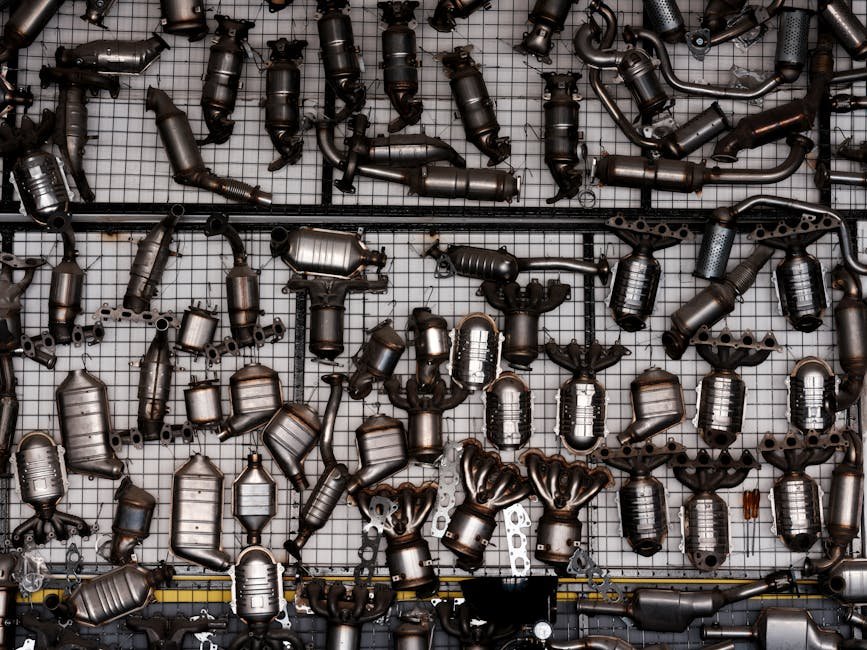

When you decide to recycle catalytic converters in Colombia, you are engaging in a critical segment of the global circular economy. These components, often discarded as automotive waste, contain significant concentrations of precious metals that are essential for modern industry. As the automotive sector shifts toward electrification, the secondary market for these components remains a powerhouse for resource recovery. Whether you are a workshop owner, a scrap yard operator, or an individual collector, understanding the technical and logistical requirements of the recycling process is essential for profitability and environmental compliance.
The Composition and Value of Catalytic Converters
At the heart of every cat converter lies a ceramic honeycomb structure coated with a washcoat of precious metals. These metals—specifically platinum, palladium, and rhodium—are known as the platinum group metals (PGMs). These elements are chemically rare and possess unique catalytic properties that allow them to convert toxic exhaust gases such as carbon monoxide, nitrogen oxides, and unburnt hydrocarbons into less harmful substances like nitrogen, carbon dioxide, and water vapor.
In Colombia, the market for these metals is highly volatile and influenced by global demand. Because these metals are finite, the mining process is incredibly energy-intensive and environmentally damaging. By choosing to recycle catalytic converters in Colombia, you are effectively participating in an urban mining process that significantly reduces the demand for virgin mining. For those looking to understand the valuation process, our guide on Selling Catalytic Converters How To Maximize Your Profit Safely provides deep insights into how grading and assaying impact your bottom line.
The Industrial Recycling Process: From Scrap to Precious Metal
The recycling process is a sophisticated multi-stage operation. It begins with the collection and identification of the unit. Not all converters are created equal; their value is determined by the specific concentration of PGMs contained within the ceramic substrate. Once collected, the units undergo a process called ‘de-canning,’ where the stainless steel housing is removed to access the ceramic honeycomb.
The honeycomb material is then milled into a fine powder. This powder is the most critical stage of the process, as it must be perfectly homogenized to ensure an accurate sample. Once homogenized, the material undergoes a fire assay or an X-ray fluorescence (XRF) analysis to determine the exact weight of the platinum, palladium, and rhodium. This data-driven approach is why industry leaders like Ecotrade Group Catalytic Converters are trusted partners for high-volume recycling. The final stage involves chemical smelting and refining, where the metals are separated and purified to a grade suitable for re-introduction into the manufacturing supply chain.
Logistics: Drop-off vs. Pickup Services
For businesses in Colombia, the logistical strategy often depends on the volume of scrap. A drop-off model at a local recycling centre is often the most cost-effective for smaller quantities. When you visit a facility, you should ensure they utilize transparent weighing and sampling procedures. Always verify that the facility is registered with local environmental authorities (ANLA) to ensure that hazardous waste management protocols are followed.
For larger workshops or automotive dismantling facilities, a pickup service is often preferred. This eliminates the need for internal transport and ensures that the hazardous material is handled by professionals who understand the regulatory landscape. When arranging a pickup, ensure you receive a certificate of destruction or a manifest of transfer. This documentation is vital for your own environmental reporting. Whether you are operating in Bogota, Medellin, or Cali, the choice between drop-off and pickup should be dictated by your volume and your ability to store these units safely. For broader context on how these systems operate internationally, you might compare these local practices to those found when you recycle catalytic converters in portugal or when you recycle catalytic converters in luxembourg.
Environmental Impact and Sustainability
The environmental benefit of recycling these components cannot be overstated. Catalytic converters contain hazardous materials, including heavy metals and ceramic dust, which can contaminate soil and water tables if disposed of in landfills. By formalizing the recycling chain, we prevent these toxic materials from entering the ecosystem. Furthermore, the recovery of PGMs reduces the carbon footprint associated with primary mining operations. Mining for platinum requires moving tons of earth for every ounce of metal produced; recycling, by contrast, uses a fraction of that energy.
As we look toward the future, the demand for these metals is evolving. While internal combustion engines are being phased out, the existing fleet of vehicles will require maintenance and recycling for decades to come. Furthermore, the industrial applications for PGMs are expanding into hydrogen fuel cell technology. To stay ahead of these trends, refer to our Sell Platinum Scrap Jewelry Catalytic Converters Industrial 2026 Guide for a comprehensive look at the future of the precious metals market.
Regulatory Compliance in Colombia
Operating in the scrap metal sector in Colombia requires strict adherence to environmental laws. The Ministry of Environment and Sustainable Development sets the framework for the management of hazardous waste. When you engage with a recycling partner, ensure they possess the necessary permits to transport and process automotive waste. Failure to use a certified facility can result in significant legal liabilities for your business. Always prioritize partners that offer transparent tracking and environmental certification.
Beyond the legal requirements, there is the ethical imperative. The trade of stolen catalytic converters is a global issue. By working with reputable, established recycling platforms, you contribute to a transparent supply chain that discourages illicit activities. Always document the origin of your scrap and maintain a record of your transactions. This not only protects you legally but also enhances the reputation of your business as a responsible player in the recycling industry.
Maximizing Profitability in the Scrap Trade
Profitability in the recycling business is about precision. The spread between the price of the metal on the London Metal Exchange (LME) and the price offered by the refinery is where the profit is made. To maximize your returns, you must understand the grading of your units. Converters are typically graded by serial number or by the physical characteristics of the ceramic substrate. High-end converters from luxury vehicles often contain significantly higher concentrations of rhodium, which is currently the most valuable of the PGM trio.
We recommend building a long-term relationship with a reputable scrap metal trading platform to ensure consistent pricing and reliable payment terms. Avoid “middlemen” who offer cash-in-hand without documentation, as these transactions rarely reflect the true market value of the metals contained within the unit. By choosing a professional partner, you gain access to market analysis and hedging tools that can protect you from price volatility. For those based in the Oceania region looking for similar professional services, our partners at scrap trade Australia offer excellent resources for the local market.
The Future of PGM Recovery
The recycling industry is on the cusp of a technological revolution. New hydrometallurgical processes are being developed that allow for the recovery of PGMs with even lower energy inputs and higher purity levels. These advancements will make the recycling of catalytic converters even more economically viable. As a participant in this industry, staying informed about these technological shifts is key to long-term success. The transition to a green economy relies heavily on the recovery of precious metals, and your efforts in Colombia are a vital part of this global transition.
In conclusion, the decision to recycle is both an economic and an environmental one. By understanding the value of your scrap, choosing the right logistics, and ensuring regulatory compliance, you can turn a waste product into a valuable resource. Whether you are dealing with a single unit or a bulk shipment, the principles remain the same: transparency, efficiency, and environmental stewardship. Start your journey today by auditing your current scrap inventory and connecting with certified refineries that can help you realize the full value of your catalytic converters.
Frequently Asked Questions
- What are the main precious metals found in a catalytic converter? The primary metals are platinum, palladium, and rhodium. These are collectively known as platinum group metals (PGMs) and are highly valued for their ability to catalyze chemical reactions.
- Why is it important to use a certified recycling facility? Certified facilities ensure that hazardous waste is processed according to environmental regulations, preventing soil and water contamination. They also provide legal documentation that protects you from liability and ensures you receive fair payment based on accurate assaying.
- How does the price of a catalytic converter get determined? The price is determined by the specific concentration of precious metals inside the unit, which is assessed through milling, sampling, and chemical analysis. Factors like the vehicle model, year, and the current market price of PGMs on the London Metal Exchange also play a significant role.
- Is there a difference between drop-off and pickup services for recycling? Yes, drop-off is typically more suitable for individuals or small workshops with lower volumes, while pickup services are designed for larger commercial entities that require professional logistics and hazardous waste handling.
Frequently Asked Questions
What are the main precious metals found in a catalytic converter?
The primary metals are platinum, palladium, and rhodium. These are collectively known as platinum group metals (PGMs) and are highly valued for their ability to catalyze chemical reactions.
Why is it important to use a certified recycling facility?
Certified facilities ensure that hazardous waste is processed according to environmental regulations, preventing soil and water contamination. They also provide legal documentation that protects you from liability and ensures you receive fair payment based on accurate assaying.
How does the price of a catalytic converter get determined?
The price is determined by the specific concentration of precious metals inside the unit, which is assessed through milling, sampling, and chemical analysis. Factors like the vehicle model, year, and the current market price of PGMs on the London Metal Exchange also play a significant role.
Is there a difference between drop-off and pickup services for recycling?
Yes, drop-off is typically more suitable for individuals or small workshops with lower volumes, while pickup services are designed for larger commercial entities that require professional logistics and hazardous waste handling.