
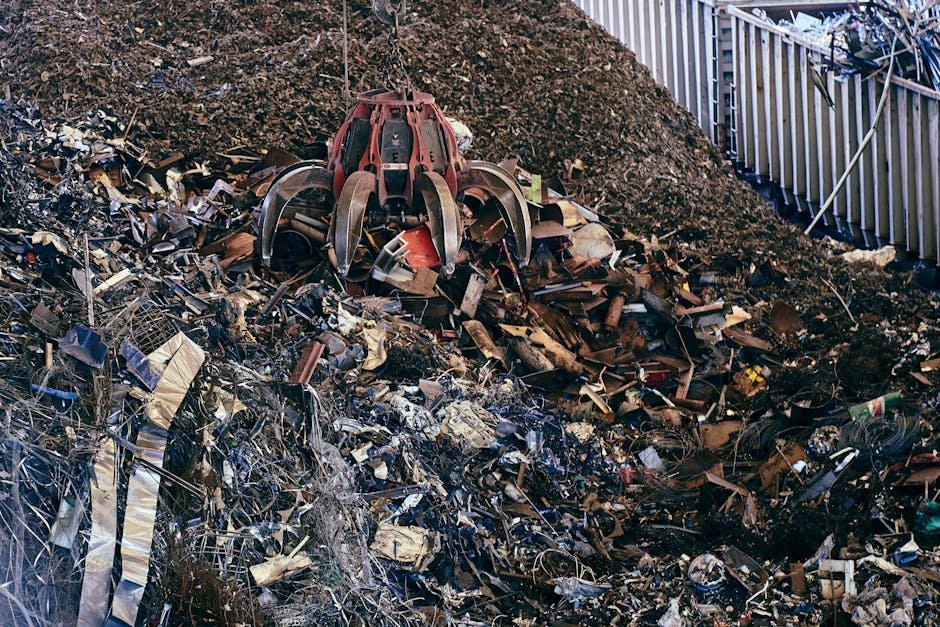

Navigating the complex landscape of scrapt requires an understanding of how global markets, material grades, and environmental standards intersect. As Australia transitions toward a circular economy, the efficiency of metal recovery has become a cornerstone of industrial sustainability. By leveraging a digital ecosystem like the one found at get scrapt, businesses and individuals can streamline the process of trading high-value materials, ensuring that every tonne of metal is accounted for and repurposed effectively.
The Fundamentals of Metal Recycling Processes
The recycling process is a sophisticated industrial operation designed to transform discarded metal into valuable raw material. It begins with collection, where scrap is gathered from demolition sites, manufacturing facilities, and municipal waste streams. Once collected, the material undergoes a rigorous sorting phase. This is where the expertise of a professional scrap metal trading platform becomes essential. Advanced facilities use magnetic separation, eddy current separators, and X-ray fluorescence (XRF) technology to identify alloys with extreme precision.
After sorting, the metal is shredded into smaller pieces to increase the surface-area-to-volume ratio, which facilitates the melting process. These shreds are then cleaned to remove contaminants such as plastics, rubber, or non-metallic debris. The final stage involves smelting in high-temperature furnaces, where the metal is refined into ingots or billets, ready to be sold back into the manufacturing supply chain. This cycle is not just about waste management; it is a vital industrial pillar that supports the グローバル廃金属取引プラットフォームが正式サ, ensuring that global supply chains remain resilient against raw material shortages.
Understanding Scrap Metal Grades and Classifications
To participate effectively in the market, one must understand the standard grading systems. Metals are generally divided into ferrous and non-ferrous categories. Ferrous metals, such as iron and steel, contain iron and are magnetic. Non-ferrous metals, including copper, aluminium, brass, lead, and zinc, are highly valued for their resistance to corrosion and their infinite recyclability. In the Australian market, specific grades such as ‘HMS 1 & 2’ (Heavy Melting Steel) are benchmarks for industrial scrap.
Copper, often referred to as the ‘barometer of the economy,’ is graded based on purity. ‘Bright and Shiny’ copper, which is stripped of all insulation and oxidation, commands the highest prices. Aluminium is similarly graded; ‘Extrusion’ (6063 alloy) holds more value than ‘Cast’ aluminium due to its chemical consistency. Understanding these nuances is critical for suppliers looking to maximize their returns. As the industry evolves, international collaboration is becoming more frequent, as evidenced by the expansion of services like منصة تجارة الخردة العالمية تُطلق خدما, which helps bridge the gap between local Australian suppliers and international buyers.
Environmental Benefits of Metal Recycling
The environmental impact of recycling scrap metal is profound. Extracting virgin ore through mining is an energy-intensive process that results in significant habitat destruction, soil erosion, and water contamination. By contrast, recycling aluminium saves approximately 95% of the energy required to produce the same amount from bauxite ore. For steel, the energy savings hover around 75%. These reductions in energy consumption directly translate to lower greenhouse gas emissions, making metal recycling a primary tool in the fight against climate change.
Furthermore, recycling reduces the pressure on landfills. In Australia, the ‘National Waste Policy’ emphasizes the need to keep valuable materials in circulation. When we recycle, we prevent heavy metals from leaching into the groundwater and reduce the need for landfill space. This transition to a circular model is supported by industry leaders who prioritize innovation, such as those recognized in the report: Scraptrade Recognises Sands Industries With The Australian Industrial Innovation Award 2025. Such recognition highlights how technological advancements are making the recovery of complex alloys more efficient than ever before.
The Role of Digital Platforms in Scrapt Management
The traditional scrap trade was often opaque, characterized by fragmented pricing and manual record-keeping. Today, digital platforms are revolutionizing the industry by providing real-time pricing data and logistical transparency. Using a centralized scrap metal trading platform allows sellers to track market trends, compare prices across different regions, and connect with verified buyers. This digital transformation ensures that the market for scrapt is fair, competitive, and accessible to everyone from small-scale collectors to large industrial enterprises.
Real-time data allows for better inventory management. For instance, manufacturers can predict the availability of secondary raw materials, allowing them to adjust their production schedules. This data-driven approach minimizes waste and ensures that supply meets demand, preventing the accumulation of stockpiles that can degrade over time. The integration of blockchain or similar ledger technologies in these platforms also provides a verifiable chain of custody, which is increasingly important for companies aiming to meet environmental, social, and governance (ESG) reporting requirements.
Practical Tips for Maximizing Scrap Value
To get the most out of your scrap metal, preparation is key. First, always sort your materials by type. Mixing copper with steel or aluminium will significantly downgrade the value of the entire load, as refineries will have to spend more to separate the materials. Second, clean your scrap. Remove non-metallic attachments like plastic casings, rubber seals, or wooden handles. While it may seem time-consuming, the price difference between ‘dirty’ and ‘clean’ metal is substantial.
Third, keep track of market prices. Scrap metal prices fluctuate daily based on the London Metal Exchange (LME) and local demand. By timing your sales, you can significantly increase your profit margins. Finally, build a relationship with a reputable recycling facility. Consistent suppliers often receive better service, faster payment terms, and more accurate grading. Utilizing a digital platform to monitor these fluctuations ensures you are never selling at the bottom of the market.
The Future of Metal Recycling in Australia
Australia is uniquely positioned to become a global leader in the sustainable recovery of metals. With a strong mining heritage and a growing focus on sustainability, the investment in local recycling infrastructure is accelerating. We are seeing a move toward ‘urban mining,’ where cities are viewed as mines of the future. This involves the systematic recovery of metals from end-of-life electronics, automotive components, and construction waste.
The integration of artificial intelligence in sorting facilities is the next frontier. AI-powered robots can identify and sort metals faster and more accurately than any human sorter. This technology, combined with the scrapt ecosystem, will ensure that even the most complex alloys can be recovered and reused. As we look toward 2030, the goal is to reach a near-zero waste economy where every gram of metal is tracked, recovered, and returned to the production line, strengthening Australia’s industrial resilience.
Comprehensive Safety and Compliance Standards
Operating within the scrap metal industry requires strict adherence to safety and compliance standards. Handling heavy, sharp, or potentially hazardous materials requires personal protective equipment (PPE) and rigorous training. Furthermore, compliance with the ‘Environment Protection Act’ is non-negotiable. Facilities must ensure that they have the necessary permits to handle, store, and process scrap metal to prevent environmental contamination.
Compliance also extends to the documentation of sales. To prevent the trade of stolen goods, reputable scrap yards require identification and maintain detailed logs of all transactions. This transparency is vital for the integrity of the industry. By following these legal and safety guidelines, businesses not only protect themselves from liability but also contribute to the legitimacy and professionalization of the entire recycling sector.
Conclusion: Embracing the Circular Economy
The journey of metal recycling is one of continuous improvement and innovation. From the initial collection to the final smelting process, every step plays a role in conserving our planet’s finite resources. By understanding the grades of metal, leveraging digital tools for trade, and adhering to environmental best practices, we can all contribute to a more sustainable future. The shift toward a circular economy is not just an environmental necessity; it is a smart economic strategy that creates jobs, reduces costs, and secures the raw materials needed for future generations. Whether you are an industrial giant or an individual contributor, your participation in the scrapt ecosystem matters.
Related: Scraptrade Recognises Sands Industries With The Australian Industrial Innovation Award 2025
Related: グローバル廃金属取引プラットフォームが正式サ
Related: منصة تجارة الخردة العالمية تُطلق خدما
Frequently Asked Questions
What is the most valuable scrap metal to recycle?
Copper is generally the most valuable scrap metal due to its high demand in electrical and plumbing applications. Other high-value metals include brass, stainless steel, and aluminium, though their prices fluctuate based on market conditions.
How do I know if my metal is ferrous or non-ferrous?
The easiest way to test is by using a magnet. If the magnet sticks to the metal, it is a ferrous metal, such as iron or steel; if it does not stick, it is likely a non-ferrous metal like copper, aluminium, or brass.
Why is it important to clean scrap metal before selling it?
Cleaning scrap metal removes contaminants like plastic, rubber, and glass, which increases the purity of the material. Higher purity leads to better grading and, consequently, a significantly higher payout from the recycling facility.
How does recycling metal help the environment?
Recycling metal significantly reduces the need for energy-intensive mining and refining of virgin ores. This process saves vast amounts of electricity, reduces greenhouse gas emissions, and prevents habitat destruction associated with traditional mining.