
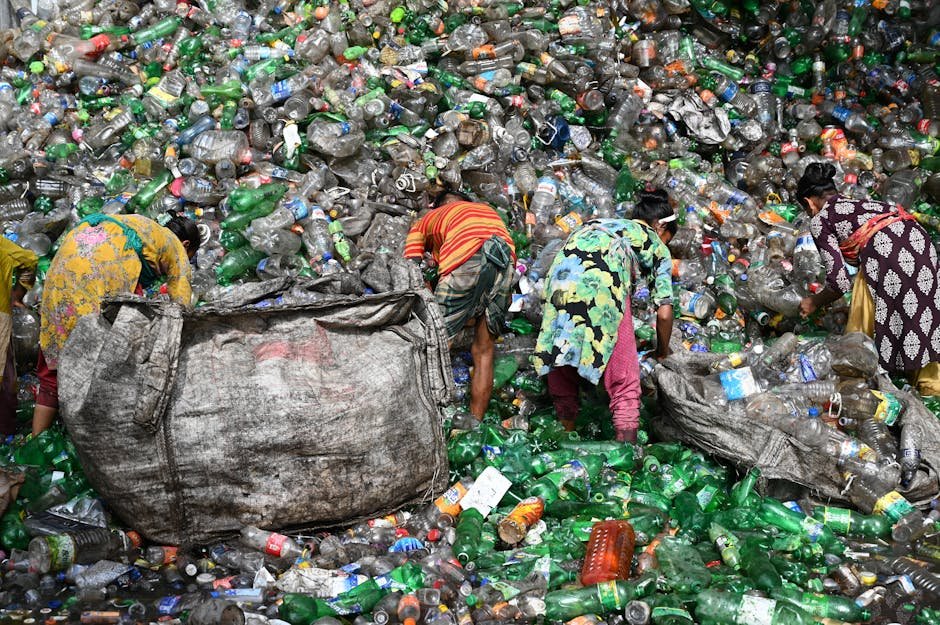

Understanding how to sell pet bottle scrap is a vital skill for businesses, community groups, and individuals looking to participate in the circular economy. As Australia shifts toward more sustainable waste management practices, the market for high-quality, clean PET (Polyethylene Terephthalate) has expanded significantly. Whether you are managing industrial volumes or smaller batches, knowing the technical requirements for processing and identifying the right buyer is essential to ensure you get paid the market-leading rate. In this guide, we will walk you through the entire lifecycle of PET recycling, from initial collection to final sale, ensuring you maximize your returns while contributing to environmental sustainability.
Understanding PET Plastic and Recycling Grades
Before you dive into the logistics of selling, you must understand what PET plastic is and why it is so highly valued in the global scrap market. PET, identified by the #1 resin code, is a clear, strong, and lightweight plastic used primarily for water bottles, soft drinks, and food packaging. In the recycling industry, PET is a commodity, and like any commodity, its value is determined by its purity and grade.
When you learn how to sell pet bottle scrap, you will quickly discover that recyclers categorize plastic into specific grades to streamline the manufacturing process. The most common grades include:
- Clear PET: This is the most valuable grade. It is transparent and free of colorants, making it the easiest to recycle into new food-grade packaging.
- Light Blue/Tinted PET: Often used for water bottles, this grade is slightly less valuable than clear PET because it requires more processing to return to a neutral state.
- Mixed Color PET: This consists of various colored bottles. It is generally the lowest value grade because it cannot be easily converted back into clear plastic, often being downcycled into carpet fibers, polyester clothing, or industrial strapping.
By keeping your materials separated by color, you significantly increase the potential for a best price. Contamination is the enemy of profit. Foreign materials such as PVC labels, metal caps, or residual liquids can ruin a batch, leading to a lower valuation or outright rejection by the buyer. If you are interested in broader material handling, you might also want to explore how to Sell Scrap efficiently across different categories.
The Step-by-Step Process: How to Sell Pet Bottle Scrap
Following a structured process is the most effective way to turn your waste into revenue. If you are looking for a reliable platform to manage your transactions, visit Scrap Trade for industry-leading insights. Follow these steps to ensure a smooth transaction:
- Collection and Segregation: Gather your PET bottles and immediately separate them from other plastics like HDPE (milk jugs) or LDPE (plastic bags).
- Cleaning and Preparation: Empty all liquids. While labels don’t always need to be removed, removing them increases the value. Crushing the bottles saves space and reduces transport costs.
- Sorting by Grade: Sort your bottles by color (Clear vs. Colored). This simple step is the biggest factor in securing the best price.
- Finding a Buyer: Use your local resources to find a reputable scrap dealer. You can search for services that provide Pet Bottle Scrap How To Sell And Recycle Pet Bottles Profitably to understand specific regional requirements.
- Weight and Valuation: Most buyers pay by the tonne or kilogram. Ensure your scrap is weighed on a certified scale.
- Documentation: Keep records of your sales, including weight, grade, and the buyer’s details, for tax and environmental compliance.
- Final Sale and Payment: Once the material is inspected and weighed, you will get paid via bank transfer or, in some cases, cash for scrap, depending on the dealer’s policy.
Where to Sell and Finding the Best Price
Finding the right buyer is just as important as the quality of your product. In Australia, the recycling landscape is robust, but it is fragmented. You can look for specialized plastic recyclers, waste management companies, or even local container deposit scheme (CDS) collection points for smaller volumes. If you are also dealing with other materials, you might be interested in how to Sell Scrap Metal Near Me In 2026 to consolidate your logistics.
To get the best price, you need to build a relationship with a buyer who values consistent quality. Large-scale recyclers often offer better rates for consistent supply. If you are located in specific regions, you might search for a sell scrap metal in creswell facility that also handles plastics. For those operating internationally or looking for global standards, resources like Scrap Trade Australia provide excellent market benchmarks. Always compare quotes from at least three different buyers before committing to a long-term contract.
Environmental Benefits and the Recycling Loop
The environmental impact of recycling PET is profound. When you recycle one tonne of PET, you save roughly 1.5 tonnes of carbon dioxide from entering the atmosphere. PET recycling is a closed-loop system, meaning a bottle can be recycled into another bottle repeatedly, reducing the need for virgin plastic production derived from fossil fuels.
By learning how to sell pet bottle scrap, you are participating in a global movement to reduce landfill waste. In Australia, the government has set ambitious targets for plastic recovery. When you sell to a certified recycler, you ensure that your waste is processed in facilities that adhere to strict environmental standards, preventing plastic from leaking into our oceans and waterways. This is a critical component of the circular economy where waste becomes a resource rather than a liability.
Documentation and Legal Requirements
While selling plastic is generally less regulated than selling hazardous metals or electronics, you still need to be aware of the paperwork. Most professional scrap dealers will require basic identification and a record of where the scrap originated, especially if you are selling in bulk. This is part of the “Know Your Customer” (KYC) protocols that many scrap dealers must follow to prevent the trade of stolen goods.
If you are a business, you may need a waste transport permit or a waste tracking document, depending on the state you operate in. Always keep copies of your weighbridge tickets and invoices. These documents are not just for legal compliance; they are essential for your own business accounting and proof of sustainable practices. For those managing diverse assets, such as a vehicle, you might search for how to sell scrap car in colombia if you have international holdings, though the regulations will differ significantly from the Australian context.
Maximizing Profitability: Tips for Success
Profitability in the scrap industry is all about logistics and volume. If you are selling small amounts, the cost of transport may eat into your margins. Consider partnering with other businesses or community groups to aggregate your PET scrap. The more volume you have, the more bargaining power you possess.
Additionally, invest in basic equipment. A baler can significantly reduce the volume of your PET waste, making it cheaper to transport and more attractive to buyers. A baled product is much easier for a scrap dealer to handle, and they are often willing to pay a premium for pre-baled, high-density material. Always stay informed about market fluctuations; plastic prices can change based on the price of oil and global demand for recycled resins.
The Future of PET Recycling in Australia
The Australian recycling industry is currently undergoing a massive transformation. With the implementation of the Australasian Recycling Label (ARL) and increased investment in advanced sorting technologies, the demand for high-quality PET is only going to grow. We are moving toward a future where “waste” is an outdated term. Companies are now designing packaging specifically for recyclability, which makes the job of the recycler much easier.
As a seller, staying ahead of these trends will ensure you remain profitable. Technologies like chemical recycling (depolymerization) are beginning to emerge, which can turn even degraded PET back into its original monomers. This means that the value of your scrap could increase as new technologies come online. By staying connected with industry platforms and reputable dealers, you ensure that you are always getting the best price for your efforts.
Frequently Asked Questions
What is the most important factor when selling PET scrap? The most important factor is purity. Ensuring your PET is free from contaminants like labels, caps, and other plastic types will significantly increase the value and ensure your material is accepted by recyclers.
Do I need a license to sell PET scrap in Australia? Generally, individuals do not need a license to sell small amounts of household plastic. However, businesses and large-scale collectors may require waste transport permits depending on local state regulations.
How can I find a reliable scrap dealer near me? You can use online directories, industry platforms, or search for “scrap dealers” in your local area. Always look for businesses with positive reviews and transparent pricing models.
Does the color of the PET bottle affect the price? Yes, clear PET is generally the most valuable because it is the most versatile for manufacturers. Colored PET is cheaper because it requires more intensive processing to be repurposed.
Conclusion
Selling PET bottle scrap is a rewarding endeavor that combines financial gain with environmental responsibility. By following the steps outlined in this guide—sorting by grade, keeping materials clean, and choosing the right scrap dealer—you can turn your waste into a consistent revenue stream. As the Australian market continues to prioritize sustainability, the demand for high-quality, processed PET will remain strong. Start by auditing your current waste output, finding a local partner, and implementing a system that prioritizes quality over quantity. Your contribution to the circular economy not only helps the planet but also strengthens your bottom line. Always remember that the key to success in this industry is consistency, cleanliness, and staying informed about market shifts. Whether you are a small business owner or a large industrial operator, the path to profitable recycling is clear: keep it clean, keep it sorted, and work with the best in the business to ensure you get paid what your materials are truly worth.
Frequently Asked Questions
What is the most important factor when selling PET scrap?
The most important factor is purity. Ensuring your PET is free from contaminants like labels, caps, and other plastic types will significantly increase the value and ensure your material is accepted by recyclers.
Do I need a license to sell PET scrap in Australia?
Generally, individuals do not need a license to sell small amounts of household plastic. However, businesses and large-scale collectors may require waste transport permits depending on local state regulations.
How can I find a reliable scrap dealer near me?
You can use online directories, industry platforms, or search for “scrap dealers” in your local area. Always look for businesses with positive reviews and transparent pricing models.
Does the color of the PET bottle affect the price?
Yes, clear PET is generally the most valuable because it is the most versatile for manufacturers. Colored PET is cheaper because it requires more intensive processing to be repurposed.