
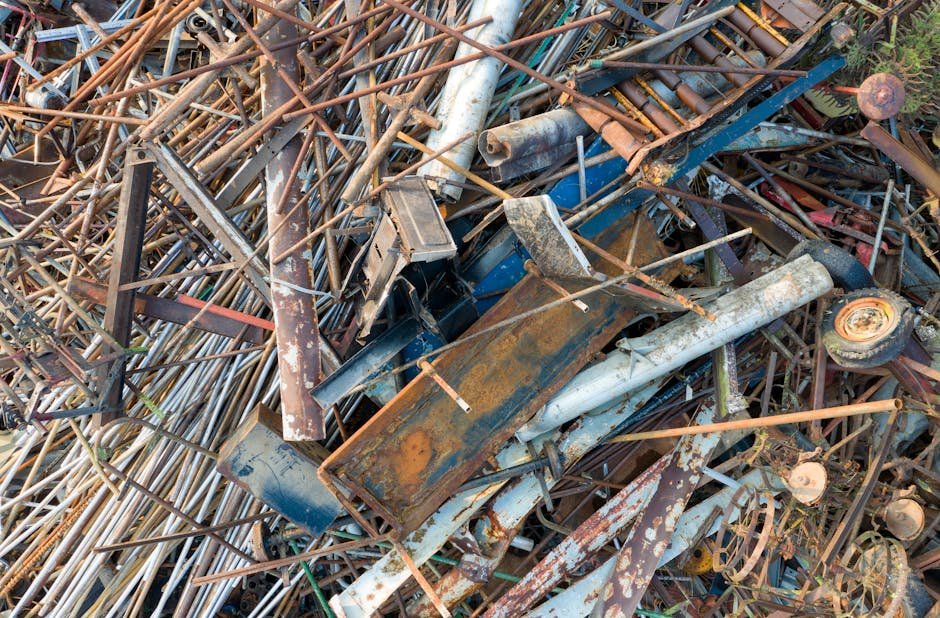

Navigating the world of scrap metal Sorrento requires a solid understanding of material classification, market fluctuations, and environmental responsibility. Whether you are a tradesperson cleaning up a job site or a homeowner clearing out a garage, knowing how to identify and process your metals is the key to turning waste into profit. As the industry evolves, staying informed about the latest standards is essential if you want to Sell Scrap Metal Near Me In 2026.
Understanding Metal Grades: Ferrous vs. Non-Ferrous
The foundation of the scrap industry is the distinction between ferrous and non-ferrous metals. Ferrous metals contain iron, are magnetic, and are generally more prone to rust. Common examples include steel, iron, and stainless steel. Because these are abundant, they are usually priced lower per kilogram but are recycled in massive volumes. In contrast, non-ferrous metals do not contain iron, are non-magnetic, and are highly resistant to corrosion. This category includes copper, aluminium, brass, lead, and zinc. These metals are significantly more valuable due to their scarcity and the energy required to mine them from raw ore.
When you are looking for Scrap Metal Recycling Near Me, you will find that facilities categorize these materials strictly. For instance, copper is often graded based on purity—bright shiny copper (bare bright) fetches the highest price, while insulated wire or copper with soldering may be downgraded. Understanding these grades is the most effective way to improve your payout. If you are operating outside of the Sorrento region, you might also be interested in our services for scrap metal llandilo or the industrial hubs of scrap metal kalgoorlie, where regional market dynamics can vary based on proximity to smelting infrastructure.
The Scrap Metal Recycling Process
The journey from a discarded piece of metal to a new product is a complex, multi-stage process designed to maximize recovery rates. Once you drop off your materials at a professional metal recycling facility, the process begins with weighing and inspection. Advanced facilities use X-ray fluorescence (XRF) analyzers to determine the exact chemical composition of the metal, ensuring that alloys are correctly identified. This is critical because mixing metals—such as putting aluminium in a copper bin—can contaminate an entire batch, rendering it difficult to recycle.
After identification, the metal is shredded or sheared to reduce its volume and make it easier to transport. Magnets are used to pull ferrous metals out of the stream, while eddy current separators are employed to repel non-ferrous metals, effectively sorting them by conductivity. Finally, the metals are melted down in furnaces, purified, and cast into ingots or billets. These raw materials are then sold to manufacturers to create everything from car parts to construction beams, completing the circular loop. By participating in this, you are helping to reduce the demand for virgin mining, which is one of the most environmentally taxing industries on the planet.
Environmental Benefits of Recycling
The environmental impact of recycling is profound. Mining virgin ores requires massive amounts of energy, water, and land, often resulting in habitat destruction and toxic runoff. Recycling aluminium, for example, uses 95% less energy than producing it from bauxite ore. Similarly, recycling steel saves about 75% of the energy compared to producing new steel from iron ore. When you recycle your scrap metal Sorrento, you are actively lowering the carbon footprint of the manufacturing sector.
Furthermore, metal recycling reduces the volume of waste destined for landfills. Metals can take hundreds of years to break down, and in that time, they can leach harmful chemicals into the soil and groundwater. By keeping these materials in the economy, we not only preserve natural resources but also protect the local ecosystem from heavy metal contamination. It is a win-win scenario where economic incentive aligns perfectly with ecological preservation.
Maximizing Your Returns: Market Trends
To get the best value for your scrap, you must keep an eye on current Scrap Metal Prices. The market is influenced by global demand, particularly from manufacturing powerhouses in Asia and Europe. When demand for construction and electronics is high, the price of copper and aluminium typically rises. Conversely, economic slowdowns can lead to a dip in prices. Timing your sales to coincide with market peaks is a strategy often used by professional scrap collectors.
Another tip for maximizing profit is to clean your scrap. If you have copper pipes with brass fittings, take the time to separate them. If you have an old appliance, remove the plastic casings and rubber cords before bringing it in. The more “ready-to-melt” your material is, the higher the grade it will be assigned. Always check with our online trading platform for the latest updates on market fluctuations and tips on how to prepare your load for maximum efficiency.
Safety and Compliance in Scrap Handling
Safety should always be the priority when handling scrap metal. Sharp edges, heavy loads, and potentially hazardous materials (like lead-acid batteries or pressurized canisters) require careful handling. Always wear protective gloves and steel-toed boots when moving scrap. If you are dealing with industrial machinery, ensure that all fluids have been drained and that the equipment is de-energized before transport. Compliance with local environmental regulations is also non-negotiable; never attempt to dump scrap illegally, as this carries heavy fines and causes lasting environmental damage.
By choosing a certified recycler, you ensure that your materials are handled in accordance with the highest environmental and safety standards. Professional facilities have the equipment to safely manage hazardous components, such as capacitors or mercury switches, that might be hidden inside older electronics. This level of professional oversight is part of what makes scrap metal Sorrento a sustainable industry.
The Future of Metal Recycling
As we look toward 2026 and beyond, the scrap metal industry is undergoing a digital transformation. Traceability is becoming increasingly important, with blockchain and advanced logistics software helping to track the lifecycle of metals from the scrap yard to the final product. This transparency ensures that recycled materials are being used ethically and efficiently. We are also seeing advancements in robotic sorting, which allows for even higher purity levels in recycled alloys, making them more competitive with virgin materials.
As a participant in this industry, you are part of a global movement towards sustainability. Whether you are a small-scale recycler or an industrial supplier, your contribution matters. By consistently choosing to recycle rather than discard, you are supporting a future where resources are valued, reused, and preserved for generations to come. Stay connected with industry leaders to ensure you are always ahead of the curve in terms of technology, pricing, and environmental best practices.
Conclusion: Taking Action
Recycling is more than just a way to earn extra cash; it is a vital service to the community and the planet. By understanding the nuances of metal grades, staying updated on market prices, and utilizing professional recycling services, you can make a significant impact. Whether you are in Sorrento or any other part of Australia, the principles of responsible scrap management remain the same. Start by sorting your materials today, keep your scrap clean, and work with reputable partners to ensure your efforts are rewarded. The transition to a circular economy starts with the choices you make at your own workbench or job site.
Frequently Asked Questions
What is the most valuable metal I can recycle?
Copper is generally the most valuable common scrap metal due to its high demand in electrical and plumbing industries. Other high-value metals include brass, stainless steel, and aluminium.
Do I need to clean my scrap metal before bringing it in?
Yes, cleaning your scrap by removing non-metal attachments like plastic, rubber, or wood will significantly increase the grade and the price you receive. Clean, sorted metal is much easier for recyclers to process.
Why do scrap metal prices change so often?
Scrap metal prices fluctuate based on global supply and demand, international trade policies, and the cost of energy required for smelting. These factors change daily, reflecting the broader manufacturing market.
Is it safe to recycle old electronics and appliances?
Yes, but they must be handled correctly as they often contain hazardous components like batteries or refrigerants. Always use a certified recycling facility that can safely manage and dispose of these dangerous materials.