
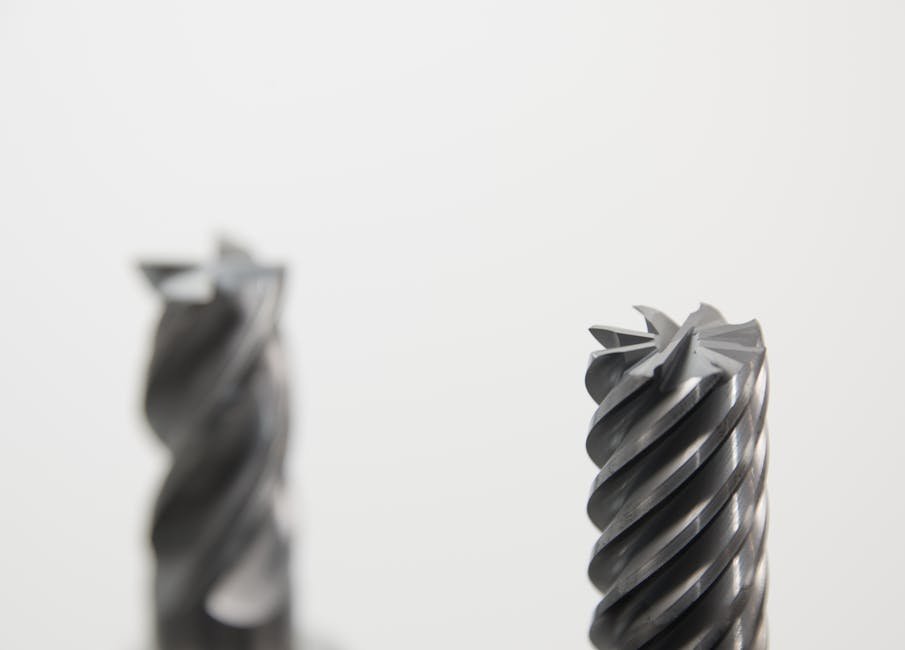

Professional tungsten carbide recycling is a cornerstone of the circular economy in Australia, transforming high-value industrial waste into essential raw materials. As global demand for tungsten—a critical mineral—continues to rise, the ability to reclaim this metal from end-of-life tools has become both an environmental imperative and a lucrative commercial opportunity for businesses and scrap traders alike.
Understanding the Value of Tungsten Carbide
Tungsten carbide is a composite material, typically consisting of tungsten carbide particles embedded in a metallic binder, most commonly cobalt. Because of its extreme hardness, heat resistance, and durability, it is the gold standard for cutting tools, mining bits, and wear-resistant components. In the Australian manufacturing and mining sectors, thousands of tonnes of this material are discarded annually. When you engage in proper tungsten carbide recycling, you are not just clearing out warehouse clutter; you are participating in a sophisticated supply chain that reduces the need for energy-intensive virgin mining.
For those looking to maximize their returns, understanding the market is essential. You can track current market trends and fluctuations by checking carbide recycling prices regularly. The value of your scrap is largely determined by the purity of the material and the ratio of tungsten to binder. Contamination with other metals, such as steel or iron, significantly lowers the value, which is why proper sorting at the source is the most effective way to ensure you get the best price for your scrap.
The Lifecycle of Carbide: From Tools to Scrap
The journey of carbide starts in the heavy industries—mining, aerospace, automotive, and construction. In the context of tungsten carbide recycling, we often look at the entire lifecycle of industrial assets. For example, in the automotive industry, we see a bridge between industrial scrap and vehicle recycling. When an end of life vehicle (ELV) is processed, the focus is often on steel and aluminum, but the specialized tools used by car wreckers to dismantle these machines—such as carbide-tipped saw blades and drill bits—are themselves prime candidates for recycling.
If you are wondering about the practical steps to handle this material, our guide on Carbide Recycling How To Recover Sell And Profit provides a deep dive into the logistics. Whether you are a small machine shop or a large-scale mining operation, the principles remain the same: keep your scrap clean, dry, and free of foreign debris. By separating your carbide from general auto parts scrap, you ensure that the material can be processed efficiently without the need for intensive chemical separation, which is costly and environmentally taxing.
Best Practices for Collection and Sorting
To succeed in the scrap trade, you must treat your carbide as a high-value commodity rather than common waste. The most successful operators in our Recycling Community understand that contamination is the enemy of profit. Even a small amount of steel or ceramic coating can downgrade an entire batch of carbide. When collecting, use dedicated bins for carbide inserts, mining bits, and wear parts. Never mix them with high-speed steel (HSS) or other tool steels.
For those who are just starting, you might be looking for a local partner to help you manage your scrap collection. Using a tool like Scrap Metal Recycling Near Me can help you find certified facilities that specialize in tungsten recovery. These facilities have the X-ray fluorescence (XRF) technology required to verify the grade of your material instantly. Furthermore, if you are specifically dealing with milling and turning operations, mastering carbide insert recycling is your quickest path to consistent revenue, as these small, dense items are highly coveted by refineries.
The Environmental Impact of Tungsten Reclamation
Tungsten mining is an invasive process that often occurs in sensitive ecosystems. By recycling, we significantly reduce the carbon footprint of the manufacturing sector. The chemical process used to refine scrap carbide—often the zinc process or chemical leaching—uses a fraction of the energy required to mine and refine tungsten ore. In Australia, where environmental regulations are stringent, choosing to recycle is not only a regulatory compliance measure but a demonstration of corporate social responsibility.
For businesses looking to formalize their sustainability reporting, partnering with a professional scrap metal trading platform ensures that your waste management is transparent and traceable. Proper documentation of your recycling efforts can be a significant asset in your annual ESG (Environmental, Social, and Governance) reporting, showcasing your commitment to a circular economy.
Advanced Sorting Techniques and Identifying Grades
Not all carbide is created equal. The industry uses various grades, often categorized by the percentage of cobalt binder. Higher cobalt content increases toughness, while lower cobalt content increases hardness. As a seller, being able to identify these grades can help you negotiate better rates. While visual identification is difficult, most scrap yards will perform a quick test. You should familiarize yourself with the common types of scrap: cemented carbide, mining inserts, and wear-resistant parts.
If you are a professional looking for industry-standard resources, visit Scraptrade Australia to stay updated on the latest standards in the local scrap industry. They provide the necessary context for the Australian market, ensuring you remain competitive in a globalized trade environment. Remember, the goal is to provide the refinery with a clean, consistent product. If you are dealing with large volumes, consider investing in magnetic separators to remove any stray steel fragments that might have accidentally fallen into your collection bins.
Logistics and Global Market Trends
The market for tungsten is inherently global. Because Australia is a major player in the mining sector, we are uniquely positioned to influence the supply chain. However, the price you receive is often pegged to the London Metal Exchange (LME) or other international benchmarks. When global supply chains are tight, the demand for recycled tungsten spikes, making it an excellent time to offload your accumulated inventory.
Logistics play a massive role in your bottom line. Because carbide is extremely dense, it is heavy. Shipping costs can eat into your profit margins if you are not careful. Consolidate your shipments, use appropriate packaging to prevent loss during transit, and always work with reputable logistics partners who understand the value of the cargo. By optimizing your shipping, you ensure that the logistics costs do not outweigh the value of the material you are moving.
Future Outlook: Why Recycling Matters More Than Ever
The future of manufacturing is undeniably circular. As we move toward more sustainable production methods, the reliance on virgin materials will decrease, and the role of the scrap trader will become even more pivotal. We are seeing increased interest in “urban mining,” where cities and industrial zones are treated as mines for high-value metals. Tungsten carbide is at the forefront of this shift.
By staying informed through platforms like ours and participating in the broader recycling community, you are positioning yourself at the vanguard of this industrial revolution. Whether you are dealing with small batches of inserts or massive mining bits, your contribution to the recycling stream is vital. Keep your scrap clean, stay informed on price trends, and always prioritize long-term relationships with reputable buyers.
Conclusion: Turning Scrap into a Sustainable Asset
Tungsten carbide recycling is a sophisticated, high-reward activity that requires attention to detail and a commitment to quality. By following the best practices outlined in this guide—sorting at the source, understanding your material grades, and leveraging the right trade platforms—you can turn what many consider “industrial waste” into a consistent revenue stream. Remember that every kilogram of carbide you recycle is a win for the environment, your business, and the Australian economy. Start today by auditing your current scrap inventory and connecting with a trusted partner to begin your journey toward more profitable and sustainable operations.
Frequently Asked Questions
How can I tell if my scrap is tungsten carbide?
Tungsten carbide is extremely dense, much heavier than steel, and is usually non-magnetic or only weakly magnetic. You can also use a spark test; carbide produces very few, dull sparks compared to the bright, long sparks of steel.
Does the condition of the carbide affect the price?
Yes, cleanliness is the primary factor. Material contaminated with steel, braze, or ceramic coatings will be valued significantly lower because it requires extra processing to separate the impurities.
Is it worth recycling small amounts of carbide?
Because of the high value of tungsten and cobalt, even small amounts are worth recycling. However, to maximize profit, it is best to accumulate a larger weight to offset logistics and handling costs.
Where can I find current tungsten carbide pricing?
Prices fluctuate based on global market demand and purity. You can check our dedicated pricing page or consult with local scrap metal merchants who track daily LME metal rates.