
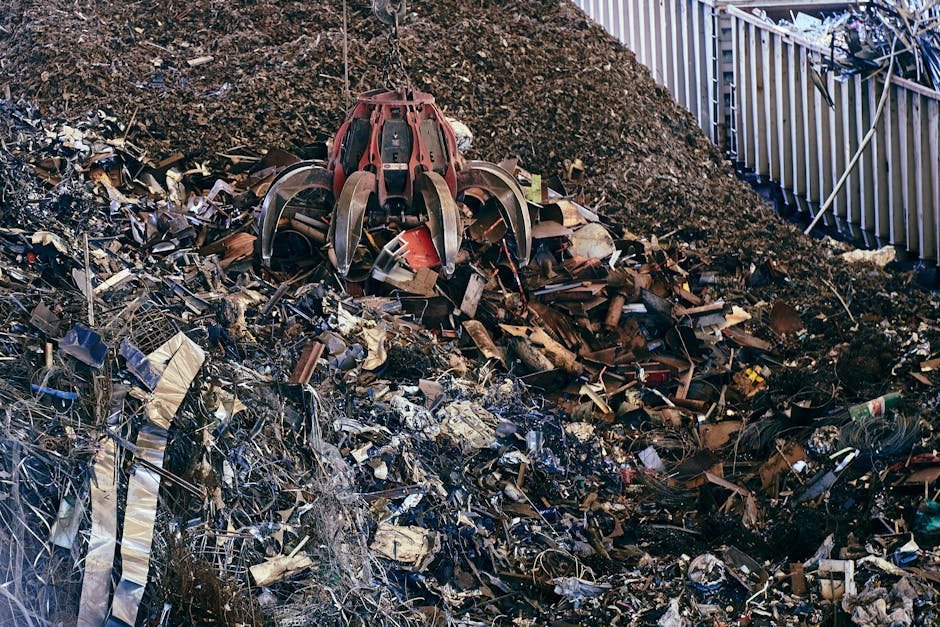

Participating in the scrap for cash economy is more than just a way to clear out your garage or industrial site; it is a vital component of the circular economy. By understanding how to identify, sort, and sell metal, you contribute to a sustainable future while capturing the inherent value of materials that would otherwise end up in landfills. Whether you are an individual clearing a shed or a business manager handling large-scale industrial waste, the process of turning metal into revenue is governed by specific market dynamics, material grades, and logistical requirements.
Understanding the Fundamentals of the Metal Recycling Industry
To succeed in the scrap industry, one must first grasp the core concepts of the trade. At its heart, the industry is about resource recovery. When you look at a pile of metal, you are looking at a commodity that can be infinitely recycled without losing its physical properties. If you are new to this sector, a great place to start is by learning What Is Scrap Trade, which details the global supply chain that moves metal from collection points to smelters. The industry operates on a tiered system where collectors, processors, and end-users interact to stabilize prices and ensure material quality. Metals are generally categorized into two main groups: ferrous and non-ferrous. Ferrous metals, such as iron and steel, contain carbon and are magnetic. Non-ferrous metals, which include copper, aluminum, brass, and lead, do not contain iron and are generally more valuable due to their scarcity and the energy-intensive nature of their primary production. When you decide to Sell Scrap, the price you receive is dictated by the current London Metal Exchange (LME) rates adjusted for local Australian market conditions, processing costs, and the purity of the material you provide.
Decoding Metal Grades and Their Market Value
The value of your Scrap is primarily determined by its grade. Contamination is the enemy of value. For instance, copper is graded based on its cleanliness—bright shiny copper (Number 1) fetches a premium price compared to copper that is insulated, painted, or mixed with other metals. Similarly, aluminum is graded by its alloy composition; clean, cast aluminum is valued differently than aluminum extrusions or UBCs (Used Beverage Cans). To maximize your returns, you must learn to separate your metals. A magnet is the simplest tool for this: if it sticks, it is likely steel or iron; if it does not, you have a non-ferrous metal that is likely worth more. Industrial businesses often utilize spectral analysis or spark testing to identify specific alloys, but for the average recycler, visual inspection and magnetic testing are sufficient. Always remember that cleaner, sorted loads command higher prices because they require less processing effort at the recycling facility. If you are in Western Australia, you might look for cash for scrap cannington to find specialized facilities that handle these specific grades, while those in New South Wales might search for cash for scrap bankstown to find local, reputable buyers.
The Technical Process: How Metal Recycling Actually Works
The journey from a discarded item to a new product is a sophisticated industrial process. Once metal is collected, it undergoes a rigorous sequence of steps to ensure it can be reused in manufacturing. First, the metal is weighed and inspected for hazardous materials. This is a critical safety step; items like gas cylinders, pressurized tanks, or sealed containers must be handled with extreme care to avoid explosions during the shredding process. Following inspection, the metal is sorted using advanced technology such as eddy current separators, which use magnetic fields to eject non-ferrous metals from the stream, and X-ray fluorescence (XRF) scanners that identify the exact chemical composition of alloys. Once sorted, the material is shredded into small pieces to increase its surface area, making it easier to melt. These shreds are then cleaned of non-metallic impurities like plastics, rubber, and dirt. Finally, the metal is melted in large furnaces and cast into ingots or billets, which are sold to manufacturers to create everything from car parts to beverage cans. This entire process consumes significantly less energy than mining virgin ore. For example, recycling aluminum saves approximately 95% of the energy required to produce aluminum from bauxite ore. You can explore more about these sustainable practices by visiting our comprehensive resource on Australian metal recycling, which provides deep insights into the local infrastructure supporting these processes.
The Environmental and Economic Benefits of Scrap Recycling
The environmental imperative for recycling is clear. Mining is one of the most destructive industrial activities on the planet, involving massive land clearing, habitat destruction, and significant carbon emissions. By choosing to trade your metal, you are directly reducing the demand for new mining operations. Beyond the obvious energy savings, recycling metal preserves natural resources and reduces the amount of hazardous waste leaching into our soil and water systems. Economically, the scrap industry is a massive engine of growth. It provides thousands of jobs across Australia, from collection and logistics to high-tech processing and engineering. When you engage in scrap for cash, you are supporting a local economy that prioritizes efficiency and sustainability. Furthermore, the scrap trade helps keep our cities clean by providing a financial incentive for the removal of abandoned metal waste. A clean environment is not just an aesthetic benefit; it is a public health necessity. By diverting metal from landfills, we extend the lifespan of these facilities and reduce the production of methane, a potent greenhouse gas generated by organic matter decomposing alongside mixed waste. The cumulative effect of individual and corporate recycling efforts is a more resilient, circular economy that is better prepared for the challenges of the 21st century.
Practical Tips for Maximizing Your Scrap Returns
If you want to get the best price for your materials, preparation is key. Start by establishing a dedicated area for sorting. Do not throw everything into one bin. Keep copper, brass, stainless steel, and aluminum in separate containers. If you have cables, consider whether stripping the insulation is worth the time; while bare copper is worth more, the labor involved in stripping can be significant. Always remove non-metallic attachments like plastic handles, rubber seals, or wooden frames from your metal items. These “contaminants” lower the overall weight-to-value ratio and may result in your load being downgraded to a lower price tier. Timing also plays a role. Metal prices fluctuate based on global demand, so it can be beneficial to hold onto large quantities of scrap until the market is favorable. However, do not let your scrap become a safety hazard or an environmental liability. If you are a business, document your recycling efforts; many companies can claim environmental credits or improve their ESG (Environmental, Social, and Governance) ratings by demonstrating a high rate of metal recovery. For more information on how to optimize your collection and sales strategy, visit the main portal at the premier scrap trading platform, where you can find real-time market updates and advice on managing large-scale metal recovery projects.
Navigating Regulations and Safety Standards
The scrap metal industry is highly regulated, and for good reason. In Australia, various state-based laws govern the purchase and sale of scrap to prevent the trade of stolen goods. When you arrive at a facility to trade, expect to provide valid identification and potentially a record of where the scrap originated. This is a standard procedure designed to protect the industry from illicit activity. Safety is another non-negotiable aspect of the trade. If you are handling industrial scrap, ensure you are wearing appropriate personal protective equipment (PPE), including gloves, steel-toed boots, and high-visibility clothing. Be aware of the dangers of heavy lifting and always use appropriate machinery or assistance when moving large items. If you are dealing with vehicles, ensure all fluids—such as oil, transmission fluid, and coolant—have been drained and disposed of according to local environmental regulations before the vehicle is scrapped. These fluids are toxic and can contaminate the soil at a recycling site, leading to significant legal and environmental consequences. By adhering to these standards, you not only protect yourself but also ensure the longevity and reputation of the recycling industry, which relies on public trust to function effectively.
The Future of Metal Recycling: Innovation and Technology
The future of the scrap industry is being shaped by rapid technological advancements. We are moving toward a more automated future where artificial intelligence and robotics play a larger role in the sorting process. AI-driven sorting machines can now identify metal types with greater accuracy than ever before, significantly reducing contamination rates. Furthermore, the development of “green steel” production methods, which use hydrogen instead of coal to reduce iron ore, is increasing the demand for high-quality recycled scrap. As manufacturers strive to reduce their carbon footprints, the demand for recycled metal will only increase. This creates a positive feedback loop: as demand rises, prices for scrap metal are likely to remain competitive, further incentivizing individuals and businesses to prioritize recycling. We are also seeing a shift toward better traceability in the supply chain, with digital platforms allowing for greater transparency in how metal is sourced and processed. This is not just about efficiency; it is about building a sustainable, circular model that can support a growing global population without depleting the earth’s finite resources. The scrap for cash sector is evolving into a high-tech industry that is essential for the transition to a low-carbon economy, and those who engage with it today are at the forefront of this vital shift.
Conclusion: Your Role in the Circular Economy
The decision to recycle metal is a powerful one. It is a tangible action that reduces waste, saves energy, and supports the local economy. Whether you are a homeowner with a few kilograms of copper piping or a contractor with tonnes of steel beams, your contribution matters. By following the best practices outlined in this guide—sorting your materials, understanding the grading system, and working with reputable, licensed recyclers—you can ensure that you are getting the best value for your efforts while contributing to a healthier planet. The scrap industry is a testament to the idea that waste is merely a resource in the wrong place. By keeping these materials in the production loop, we are building a foundation for a more sustainable future. Take the time to audit your waste, learn the grades, and connect with local experts to turn your scrap into a valuable asset. The circular economy starts with you, and every piece of metal recycled is a step toward a more efficient and environmentally responsible world.
Frequently Asked Questions
What is the most valuable type of scrap metal?
Non-ferrous metals like copper, brass, and high-grade aluminum are generally the most valuable. Copper, in particular, commands high prices because it is a critical component in electrical wiring and plumbing, and it is infinitely recyclable.
How do I know if my metal is ferrous or non-ferrous?
The easiest way to tell is by using a magnet. If the magnet sticks to the metal, it is a ferrous metal, such as iron or steel. If the magnet does not stick, it is a non-ferrous metal like copper, aluminum, or stainless steel.
Why is it important to clean and sort scrap metal before selling?
Sorting and cleaning your scrap removes contaminants like plastic, rubber, and dirt. Clean, pure loads are much easier for recyclers to process, which is why they pay higher prices for sorted material compared to mixed or dirty scrap.
Is it safe to scrap old appliances or electronics?
It can be safe if done correctly, but you must be careful with hazardous components. Always remove batteries, capacitors, and any pressurized tanks before bringing items to a recycling center to avoid safety hazards.