
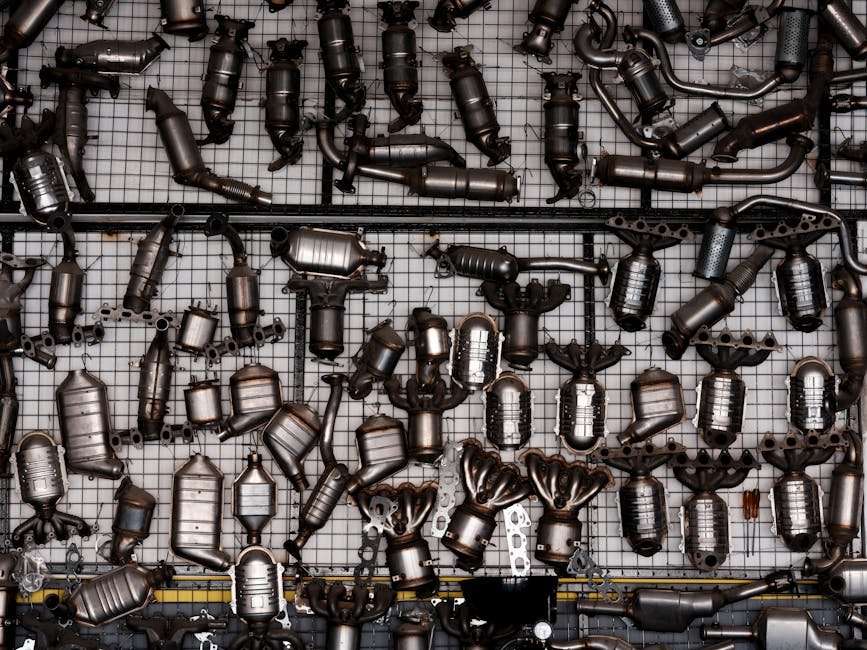

When you decide to recycle catalytic converters Norway, you are participating in a sophisticated global supply chain designed to recover precious materials while mitigating environmental damage. As the automotive industry shifts toward electrification, the demand for platinum group metals (PGMs) remains at an all-time high, making the recovery of these components from end-of-life vehicles a critical economic and ecological necessity.
The Importance of PGM Recovery in Norway
Catalytic converters act as the primary emission control device in internal combustion engines. Inside the stainless steel housing lies a ceramic honeycomb structure coated with a washcoat containing platinum, palladium, and rhodium. These are among the rarest and most valuable elements on Earth. When you recycle catalytic converters Norway, you are preventing these metals from entering landfills where they would be lost forever. Norway, known for its stringent environmental standards, provides an ideal landscape for advanced recycling methodologies. By utilizing specialized facilities, we ensure that the hazardous components—such as heavy metals and toxic gases—are neutralized, while the precious metals are refined to a purity level that allows them to be reused in new automotive components or industrial applications.
For those looking to understand the broader market, it is essential to recognize the role of professional networks. You can explore the Ecotrade Group Catalytic Converters services to see how global standards are applied to local collection efforts. Understanding the value of your scrap is the first step in the process. We recommend reading our guide on Selling Catalytic Converters How To Maximize Your Profit Safely to ensure you are getting the best market rates while adhering to legal requirements.
The Technical Recycling Process
The process of extracting PGMs is a feat of modern chemistry. It begins with the collection and categorization of the units. Not all converters are created equal; the concentration of palladium vs. rhodium varies significantly based on the vehicle’s make, model, and year of manufacture. Once collected, the units are sheared open to remove the ceramic monolith. This monolith is then crushed into a fine powder. This powder undergoes a process known as sampling, where the exact concentration of precious metals is determined using X-ray fluorescence (XRF) analysis.
Following sampling, the material enters the smelting phase. The powder is mixed with fluxes and heated to extreme temperatures in an electric arc furnace. This separates the metals from the ceramic substrate. The resulting “matte” is then refined through chemical leaching or electrolytic processes to isolate the pure platinum, palladium, and rhodium. This closed-loop system is the pinnacle of circular economy practices. Whether you are looking to recycle catalytic converters in colombia or here in the Nordic region, the fundamental chemical principles remain the same. The efficiency of this process is what drives the market value of your scrap.
Logistics: Drop-off vs. Pickup Services
In Norway, logistical efficiency is paramount due to the country’s unique geography. For small-scale collectors or individual vehicle owners, a drop off at a certified recycling centre is often the most straightforward method. This allows for immediate inspection and weighing, ensuring transparency in the transaction. However, for workshops, wrecking yards, and industrial partners, a professional pickup service is highly recommended. A dedicated pickup service minimizes the risk of damage to the converters during transport, as the ceramic monoliths are fragile and can be easily pulverized if handled incorrectly.
When arranging logistics, consider the volume of your inventory. Large-scale operations benefit from palletized shipping, which reduces the carbon footprint per unit collected. Always ensure that your transportation provider is licensed to handle automotive waste. If you are operating internationally, you might be interested in how others manage these logistics, such as those who recycle catalytic converters in portugal, where similar regulatory frameworks exist. Proper documentation is required at every stage to ensure compliance with the Basel Convention and local Norwegian environmental laws.
Valuation and Market Trends for PGMs
The value of a cat converter is dictated by the daily spot prices of platinum, palladium, and rhodium. These markets are notoriously volatile. Palladium, for instance, has seen significant price fluctuations due to its heavy reliance on the automotive sector. Rhodium, while used in smaller quantities, is often the most expensive component of the washcoat. To stay informed on how to navigate these financial waters, consult our Sell Platinum Scrap Jewelry Catalytic Converters Industrial 2026 Guide. This resource provides a deep dive into the long-term outlook for these metals.
When you approach a buyer, they will typically use a grading system based on the serial number of the converter. This serial number corresponds to a database that lists the exact metal content of that specific unit. Always insist on a transparent grading process. Avoid buyers who offer a flat rate without inspecting the contents, as this often results in significant financial loss for the seller. By understanding the PGM composition, you empower yourself to negotiate a fair price that reflects the current market reality.
Environmental Impact and Sustainability
The primary environmental benefit of recycling catalytic converters is the reduction in mining activity. Extracting platinum and rhodium from the earth is an energy-intensive and ecologically destructive process, often involving open-pit mining that displaces local ecosystems and pollutes water tables. By recycling, we essentially create an “urban mine”—a renewable source of these critical elements. In Norway, where environmental stewardship is a core cultural value, recycling these components is a significant contribution to the national sustainability goals.
Furthermore, the recycling process itself must be held to high standards. Modern refineries in Europe utilize advanced gas scrubbing and water treatment systems to ensure that no toxic byproducts are released into the atmosphere or local waterways. When you choose to recycle with reputable partners, you are supporting an industry that prioritizes clean air and water. This is not just about profit; it is about ensuring that the transition to a greener future is built on the responsible recovery of the materials we already have in circulation.
Compliance and Legal Requirements in Norway
Operating within the Norwegian waste management framework requires strict adherence to environmental permits. Catalytic converters are classified as hazardous waste due to the presence of heavy metals and the potential for residual exhaust chemicals. It is illegal to dispose of these in standard municipal waste streams. All entities involved in the collection, storage, and transport of these items must maintain accurate records of origin and destination.
For businesses, this means implementing a robust tracking system. Every converter should be logged, and the final destination—the refinery—must provide a certificate of destruction or a refinery report. This documentation is essential for your annual environmental reporting. If you are a scrap yard owner, ensure your staff is trained in the safe handling and identification of these units to avoid accidental damage or illegal dumping. Compliance is not just a legal obligation; it is a mark of a professional and trustworthy business.
Best Practices for Handling and Storage
Proper storage is often overlooked but is crucial for maximizing profit. If the ceramic honeycomb inside the converter is broken or pulverized, the precious metal dust can leak out, leading to significant value loss. Converters should be stored in a dry, covered area to prevent corrosion of the stainless steel housing, which can make serial number identification difficult. Use sturdy bins or crates for organization, and keep different types of converters separated to prevent cross-contamination.
When preparing for a pickup, ensure that the units are clearly labeled and that the inventory list is accurate. If you are shipping them, use appropriate packaging materials to prevent movement during transit. Taking these small, meticulous steps ensures that the value you have accumulated in your inventory is preserved until it reaches the refinery. Remember, the quality of your collection process directly impacts the quality of the final recovery, and by extension, the price you receive.
Future Outlook: The Shift to Electric Vehicles
A common question is whether the market for catalytic converters will disappear as electric vehicles (EVs) become more prevalent. While the demand for new converters will eventually decline, the existing fleet of internal combustion vehicles will remain on the road for decades. Furthermore, the infrastructure for recycling PGMs is evolving to handle other types of industrial catalysts and even the potential for recycling battery components. The expertise gained in refining PGMs is highly transferable to the emerging battery recycling sector, which will become increasingly important as the global fleet transitions to lithium-ion power.
The expertise you build today in the catalytic converter market will serve as a foundation for your participation in the circular economy of the future. Whether you are a professional recycler or a business owner looking to optimize your waste streams, staying engaged with the industry is key. As we continue to refine our processes, we ensure that the materials that powered the 20th and early 21st centuries continue to contribute to a sustainable future. Keep an eye on global trends, maintain your commitment to quality, and continue to leverage the best practices in the recycling industry.
Conclusion
Recycling catalytic converters is a vital component of the modern circular economy. By choosing to recycle catalytic converters Norway, you are not only securing a fair financial return for your scrap but also actively participating in the preservation of our natural resources. From the initial collection and careful handling to the advanced chemical refining processes, every step plays a role in reducing the environmental impact of automotive manufacturing. We encourage all stakeholders—from individual mechanics to large-scale scrap yards—to prioritize transparency, legal compliance, and environmental responsibility. Use the resources provided in this guide to build a sustainable and profitable operation that stands the test of time.
Frequently Asked Questions
Why are catalytic converters worth so much money?
Catalytic converters contain platinum group metals (PGMs) like platinum, palladium, and rhodium. These are rare, high-demand precious metals used in industrial and automotive applications, making them highly valuable for recycling.
Can I recycle a broken catalytic converter?
Yes, but you must handle it with extreme care. If the internal ceramic honeycomb is broken or pulverized, you risk losing the precious metal dust, which significantly reduces the value of the unit.
How do I find a legitimate recycler in Norway?
Look for companies that are licensed to handle hazardous automotive waste and can provide transparent XRF testing results. Avoid buyers who offer flat rates without inspecting the specific serial numbers of the converters.
Is it legal to sell catalytic converters?
Yes, it is legal, provided you are a licensed business or a private owner disposing of your own property. You must maintain proper documentation and ensure you are not dealing in stolen property, as many jurisdictions have strict anti-theft regulations.