
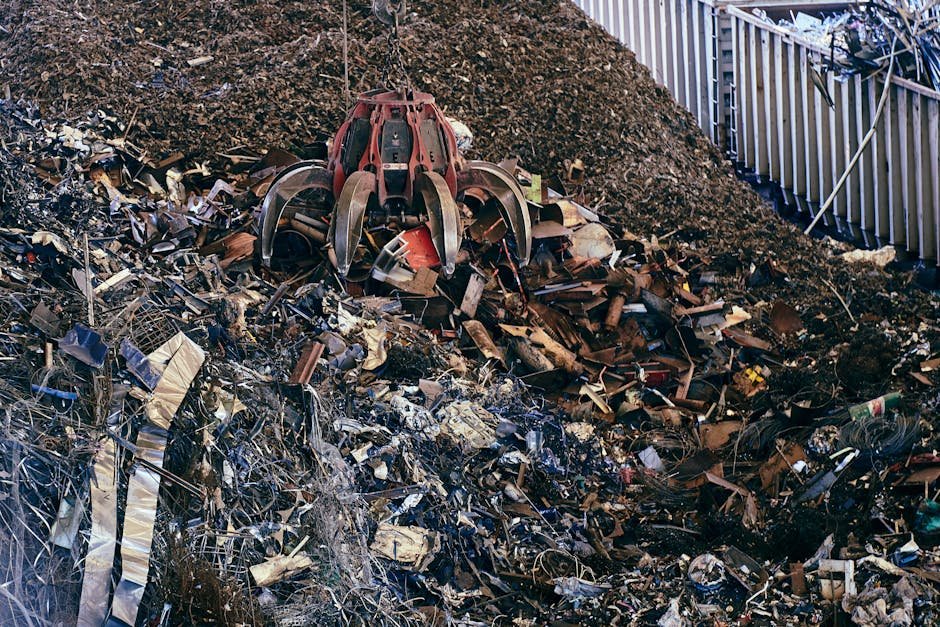

Navigating the world of scrap metal Garfield requires a deep understanding of market trends, material classification, and the logistical realities of the Australian recycling industry. Whether you are a commercial contractor clearing a site or a local resident looking to responsibly dispose of household metal, understanding how to maximize the value of your scrap is essential. As the industry evolves, the demand for high-quality recycled material continues to rise, making it more important than ever to engage with professional services that prioritize transparency and efficiency. If you are ready to turn your waste into wealth, you might be looking to Sell Scrap Metal Near Me In 2026 to ensure you are getting the best market rates.
Understanding Metal Grades: Ferrous vs. Non-Ferrous
The foundation of the scrap metal industry lies in the distinction between ferrous and non-ferrous metals. Ferrous metals contain iron, making them magnetic and generally more abundant. Common examples include carbon steel, stainless steel, cast iron, and wrought iron. Because of their high iron content, these metals are prone to oxidation (rusting) when exposed to the elements, which is why they are often used in structural applications, shipping containers, and automotive frames. For those looking for the latest market data, tracking Scrap Metal Prices is crucial to understanding the fluctuations in demand for these heavy-duty materials.
Non-ferrous metals, by contrast, do not contain iron, making them non-magnetic and highly resistant to corrosion. This category includes copper, aluminum, brass, lead, zinc, and precious metals like gold and silver. Non-ferrous metals are significantly more valuable per kilogram due to their scarcity and the energy-intensive process required to mine them from raw ore. Recycling non-ferrous metals is a cornerstone of the circular economy, as these materials can be melted down and repurposed infinitely without losing their structural integrity. Whether you are dealing with copper wiring or aluminum siding, knowing how to strip and sort these items can significantly boost your payout at a Scrap Metal Recycling Near Me facility.
The Scrap Metal Recycling Process: From Collection to Commodity
The journey of scrap metal from a pile in a backyard to a high-grade manufacturing component is a sophisticated industrial process. It begins with collection, where scrap is gathered from various sources, including demolition sites, end-of-life vehicles, and household appliances. Once collected, the material undergoes a rigorous sorting process. Advanced facilities use magnets, eddy current separators, and X-ray fluorescence (XRF) technology to identify the specific chemical composition of the metal. This ensures that contaminants—such as plastic, rubber, or glass—are removed, resulting in a high-purity product that mills and smelters are eager to purchase.
After sorting, the metal is processed. Large-scale shredders tear the metal into smaller pieces to increase the surface-area-to-volume ratio, which makes melting more efficient. For heavier items, hydraulic shears or balers are used to compress the material into dense, manageable bricks. These bricks are then transported to foundries where they are melted in furnaces, refined, and cast into ingots or sheets. This refined metal is then sold back to manufacturers to create new products, closing the loop. If you are operating outside of the immediate area, we also provide resources for scrap metal sorrento and scrap metal llandilo to ensure comprehensive coverage across regions.
Environmental Benefits of Recycling in Garfield
Recycling scrap metal is one of the most effective ways to reduce our collective carbon footprint. Extracting virgin ore through mining is an incredibly energy-intensive process that destroys habitats and releases massive amounts of greenhouse gases. By contrast, recycling aluminum, for instance, uses 95% less energy than producing it from bauxite ore. Similarly, recycling steel uses approximately 75% less energy than primary production. When you participate in scrap metal Garfield initiatives, you are directly contributing to the preservation of natural landscapes by reducing the need for destructive mining operations.
Furthermore, recycling prevents hazardous materials from leaching into the soil and groundwater. Old electronics, batteries, and appliances often contain lead, mercury, or cadmium. When these items are sent to landfills, they pose a significant environmental risk. Professional recycling centers have the specialized equipment to safely extract these toxic components, ensuring they are disposed of in accordance with environmental regulations. By choosing to recycle, you are supporting a sustainable future and helping the industry transition toward a circular model where waste is viewed as a valuable resource rather than a burden on the planet. For more information on how to participate in these programs, visit the Australian Scrap Metal Trading Hub to learn about national standards.
How to Maximize Your Scrap Metal Value
To get the most out of your scrap, preparation is key. Many people make the mistake of bringing mixed loads to a recycling center, which often results in the entire load being valued at the lowest common denominator price. To maximize your returns, you should separate your metals by type. Keep your copper, brass, and aluminum in separate containers. If you have cables, stripping the insulation off to reveal the bare copper wire can often double or triple the value of the material. However, ensure that you have the right tools and safety gear before attempting to strip wires, as it can be a labor-intensive process.
Cleanliness is another factor that influences value. Metal that is heavily contaminated with oil, grease, or dirt is less desirable to recyclers because it requires extra cleaning before it can be melted. If you have heavy machinery scrap, try to remove non-metallic parts like plastic covers, rubber hoses, or wooden attachments. The cleaner your metal, the higher the price you will receive. Additionally, keep an eye on market trends. Metal prices are subject to global supply and demand, influenced by factors like international trade agreements and manufacturing output. By timing your sales when prices are peaking, you can significantly increase your profit margins. Always consult with a reputable dealer like Scrap Trade to get accurate, real-time advice on your specific haul.
The Future of the Scrap Metal Industry
The industry is currently undergoing a digital transformation. With the rise of IoT and blockchain, the traceability of scrap metal is becoming more transparent. This allows manufacturers to verify the origin of their raw materials, ensuring they meet ethical and environmental standards. As we look toward 2026 and beyond, the integration of AI in sorting facilities will further increase the purity of recycled metals, making them even more competitive with virgin materials. This shift is essential for meeting the growing demand for green steel and sustainable aluminum in the automotive and construction sectors.
Moreover, the local community in Garfield plays a vital role in this ecosystem. By fostering a culture of recycling, local businesses and residents create a steady supply chain that supports local jobs and reduces the cost of raw materials for domestic manufacturers. As regulations around waste management become stricter, the importance of professional recycling services will only grow. Staying informed about local council guidelines and industry best practices will ensure that you remain compliant while also benefiting from the financial incentives of the trade. Whether you are a small-time collector or a large industrial firm, the principles of proper sorting and responsible disposal remain the same.
Safety Protocols and Handling Large Loads
Handling scrap metal involves inherent risks, including sharp edges, heavy weights, and potentially hazardous materials. When collecting or transporting items for scrap metal Garfield, always wear heavy-duty gloves, steel-toed boots, and high-visibility clothing. If you are dealing with large, industrial-sized loads, ensure that your vehicle is rated for the weight you are carrying. Overloading a trailer not only poses a safety risk on the road but can also lead to significant fines and vehicle damage.
When dismantling structures or machinery, always check for hidden hazards like pressurized cylinders, batteries, or capacitors that may hold an electrical charge. If you are unsure about an item, it is always better to consult with a professional at a recycling center before attempting to break it down. Many facilities offer pick-up services for large commercial quantities, which is often the safest and most efficient way to handle heavy loads. By prioritizing safety, you protect yourself, your workers, and the environment, ensuring that the recycling process remains a positive experience for everyone involved.
Conclusion: Your Role in the Circular Economy
The scrap metal industry is a vital component of the global economy, turning what was once considered waste into the building blocks of the future. By understanding the nuances of metal grades, following best practices for sorting, and staying informed about market conditions, you can play an active role in this essential sector. Whether you are looking to clear out a garage or manage industrial waste, your contribution helps reduce the need for raw material extraction and supports a more sustainable world. Embrace the opportunity to recycle responsibly and maximize your returns by staying connected with the latest industry insights and local recycling networks.
Frequently Asked Questions
What is the most valuable scrap metal to collect?
Copper is generally the most valuable common scrap metal due to its high demand in electrical and plumbing industries. Clean, bright copper wire usually fetches the highest price per kilogram.
How do I know if my metal is ferrous or non-ferrous?
The easiest way to tell is by using a magnet. If the magnet sticks to the metal, it is ferrous (like steel or iron); if it does not, it is non-ferrous (like aluminum, copper, or brass).
Do I need to clean my scrap metal before bringing it to a yard?
Yes, cleaning your scrap of non-metallic materials like plastic, wood, or rubber increases its value. Most scrap yards pay more for ‘clean’ loads because they require less processing.
Why do scrap metal prices change so often?
Scrap metal prices are driven by global supply and demand, currency exchange rates, and the cost of raw materials. Because metal is a global commodity, local prices fluctuate based on international market conditions.