
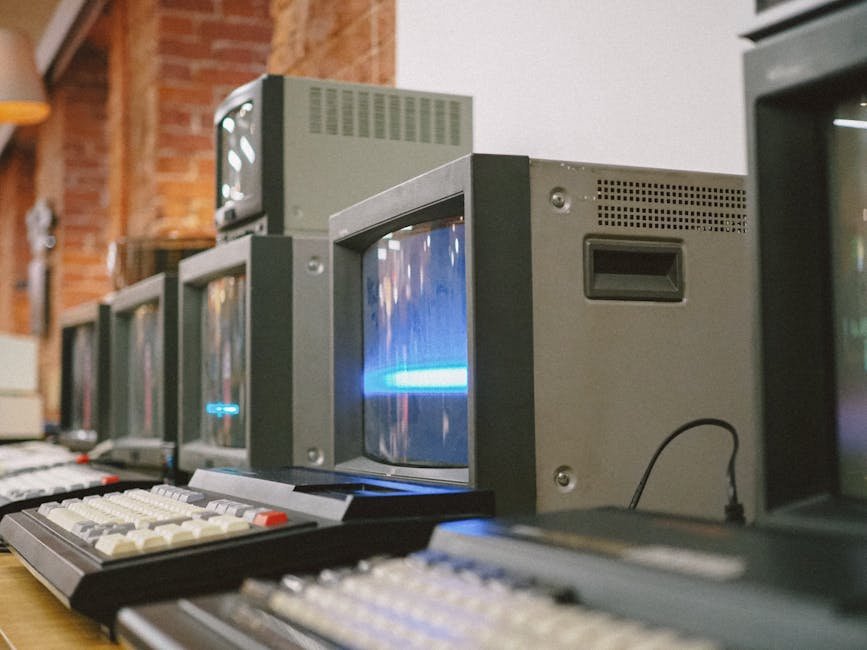

When you search for where to sell your hardware, it is important to know that we buy old computers to facilitate a circular economy. E-waste is one of the fastest-growing waste streams in Australia, and by choosing to recycle rather than discard, you are contributing to a sustainable future. Whether you are an individual with a single laptop or a business looking to clear out an entire server room, understanding the value of your equipment is the first step. To get started, you can visit our professional metal recycling portal to see how the process works.
The Value of E-Waste: Why We Buy Old Computers
Many people view old technology as junk, but to an expert metal buyer, these devices are treasure troves. Modern electronics contain a complex mix of materials, including high-grade copper wiring, aluminium heat sinks, steel casings, and printed circuit boards (PCBs) that house gold, silver, and palladium. When we buy old computers, we are primarily interested in the extraction of these precious metals through advanced refining processes. The recovery of these materials is significantly more energy-efficient than mining virgin ore, making e-waste recycling a cornerstone of modern industrial sustainability.
If you are wondering about the logistics of clearing out your inventory, you should read our guide on I Buy Scrap How To Sell Your Scrap Metals Efficiently. This resource outlines how to prepare your load for maximum return. Furthermore, if you are dealing with a mix of metals, our general advice on Old Scrap A Comprehensive Guide For Sellers And Recyclers will help you distinguish between high-value components and standard steel scrap.
How to Find Trusted Dealers and Scrap Buyers
Finding a reputable partner is critical when you want to sell old computers. Not all facilities are equipped to handle the hazardous materials found in e-waste, such as lead, mercury, and cadmium. A trusted dealer will always prioritize environmental compliance and data security. When researching where to find a buyer, look for certifications such as ISO 14001 or R2v3, which guarantee that the facility operates under strict environmental and health standards.
You can also explore our network at Australia’s leading scrap metal trading platform to connect with verified buyers in your state. When you decide to sell used computers, ensure the buyer provides a clear weight-based quote. Avoid buyers who offer flat rates without inspecting the hardware, as this often hides the true value of the precious metals contained within the motherboards and processors.
Understanding the Pricing Structure for E-Waste
Pricing for old computers is rarely static. It fluctuates based on the London Metal Exchange (LME) prices for copper, gold, and tin. When a scrap buyer assesses your equipment, they look at several factors:
- Component Density: A server rack is worth significantly more than a standard desktop PC because it contains more high-grade PCBs.
- Material Purity: Clean, dismantled boards are worth more than whole units because the labor of separation has already been performed.
- Volume: Bulk quantities often command better rates due to the economies of scale in processing and transport.
If you are looking to expand your recycling efforts beyond computers, you may also want to Buy Scrap or sell other types of industrial metals. Our platform provides the data you need to make informed decisions about your scrap inventory.
The Process: From Collection to Recovery
The journey from your office to the smelter involves several meticulous steps. First, the equipment is collected and transported to a secure facility. If the hard drives contain sensitive data, they are physically shredded or degaussed to ensure total destruction. Once the data is secured, the computers are dismantled. Steel, plastic, and aluminium are separated for traditional recycling, while the circuit boards are sent to specialized refineries. These refineries use chemical baths or high-heat smelting to isolate the gold, silver, and palladium. This entire process is designed to minimize landfill impact while maximizing resource recovery.
Data Security and Environmental Responsibility
One of the biggest concerns for businesses looking to offload old tech is data security. A professional recycler will always offer a Certificate of Destruction. Never hand over hardware to an unverified entity that cannot guarantee the physical destruction of storage media. Environmentally, the goal is to prevent toxic chemicals from leaching into groundwater. By choosing a buyer that follows the ‘waste hierarchy’—prioritizing reuse where possible, and recycling where not—you ensure that your old tech does not end up as an environmental liability.
Preparing Your Equipment for Sale
To get the best price, preparation is key. Remove external peripherals like cables, mice, and keyboards if they are made of lower-grade plastic and copper. If you have the capacity, separating the power supply units (PSUs) from the computer chassis can also increase your payout, as PSUs are high in copper content. Keep your laptops and desktops in separate piles, and if possible, remove the batteries, as these require specific handling and are often processed separately from the metal components.
Trends in the Australian Scrap Metal Market
The Australian market for e-waste is maturing rapidly. With government initiatives pushing for better stewardship of electronic waste, more facilities are opening across the country to handle the influx of discarded hardware. This competition is good for the seller, as it drives up the standards of service and the transparency of pricing. As we move toward a more digital economy, the volume of e-waste will only increase, making the role of the professional recycler more vital than ever.
Conclusion: Taking the Next Step
Recycling your old computers is a win-win scenario. You clear out valuable space, you recover a portion of your initial investment, and you protect the environment by keeping toxic materials out of landfills. Whether you are a small business owner or a home user, the key is to work with trusted dealers who value transparency and environmental integrity. Start by auditing your current inventory, separating your high-value components, and reaching out to a certified buyer to get a quote. By following the guidelines provided in this hub, you are well-equipped to navigate the scrap metal market with confidence and precision.
Frequently Asked Questions
Is it safe to sell old computers with hard drives?
Yes, but only if you use a certified recycler who provides a Certificate of Destruction. They will physically shred or degauss your hard drives to ensure your data is permanently unrecoverable.
How are computers priced for scrap?
Pricing is based on the weight and the concentration of precious metals like gold, copper, and palladium found on the circuit boards. Higher-end components like server boards typically command higher prices.
What should I remove before selling my old computer?
While not strictly necessary, removing peripherals like mice and keyboards can help you sort your scrap more effectively. Always ensure you have backed up your data before handing over any device.
Why can’t I just put old computers in the bin?
Computers contain hazardous materials like lead and mercury that are toxic to the environment. Recycling them through a professional ensures these materials are handled safely and valuable metals are recovered.