
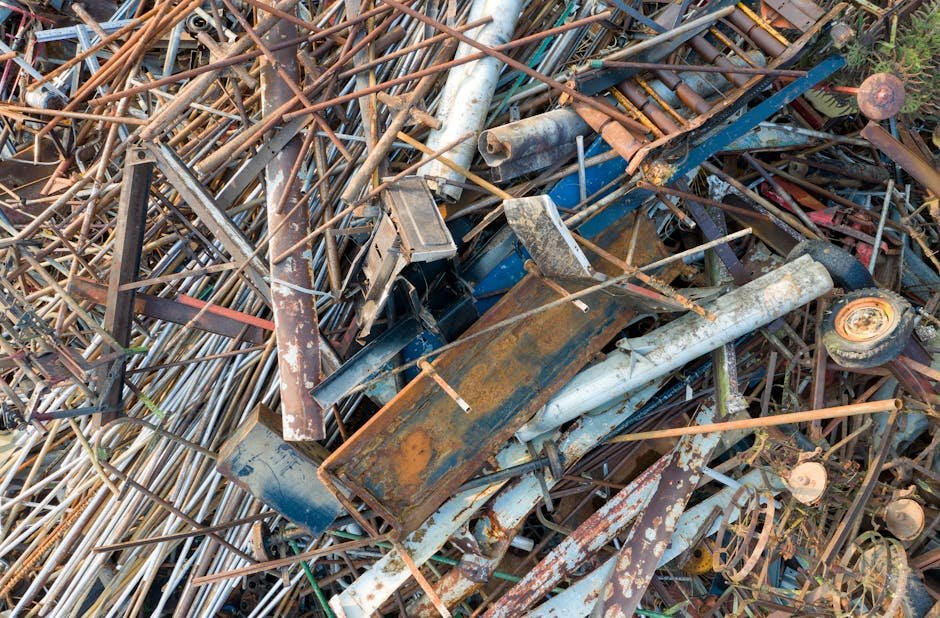

For those seeking reliable scrap metal Deer Park solutions, understanding the lifecycle of metals is the first step toward maximizing your returns and contributing to a circular economy. Whether you are a local tradie, a demolition contractor, or a household looking to clear out clutter, the Deer Park region offers a robust infrastructure for metal recovery that supports both the local economy and global sustainability goals.
Understanding Metal Grades: Ferrous vs. Non-Ferrous
To navigate the scrap market effectively, one must first distinguish between the two primary categories of metal: ferrous and non-ferrous. Ferrous metals are those containing iron, which makes them magnetic and prone to rust. Common examples include steel, iron, and cast iron. Because of their abundance, they are generally lower in value per kilogram but are recycled in massive volumes. If you are looking to Sell Scrap Metal Near Me In 2026, identifying your steel beams, old appliances, or structural iron is the foundation of your scrap pile.
Non-ferrous metals, conversely, are non-magnetic and highly resistant to corrosion. These include copper, aluminium, brass, lead, and stainless steel. Because these metals do not lose their chemical properties during the recycling process, they are infinitely recyclable. Copper, in particular, is a high-value commodity often found in electrical wiring and plumbing fixtures. When you engage in Scrap Metal Recycling Near Me, separating your non-ferrous metals from your ferrous ones is the single most effective way to increase your payout.
In the industrial hubs surrounding Deer Park, we see a heavy reliance on high-grade aluminium and copper. Aluminium is graded based on its purity—cast aluminium, extruded aluminium, and sheet aluminium all fetch different prices. Understanding these grades is critical. For instance, clean, bright copper wire is the “gold standard” of scrap, whereas copper mixed with insulation or other contaminants will be graded lower. By learning these classifications, you transition from a casual recycler to a strategic trader.
The Scrap Metal Recycling Process Explained
The journey of a piece of scrap metal from a job site in Deer Park to a new product is a sophisticated industrial process. It begins with collection and transportation. Once the metal arrives at a facility, the first step is weighing. Accurate weighing is essential, and reputable yards use calibrated scales to ensure transparency in Scrap Metal Prices.
After weighing, the sorting phase begins. Advanced technology, including X-ray fluorescence (XRF) analyzers and magnetic separators, is used to identify the exact elemental composition of the scrap. Ferrous metals are pulled out using powerful electromagnets, while non-ferrous metals are sorted by density and conductivity. Once sorted, the materials are processed. This often involves shredding or shearing the metal into smaller, uniform pieces, which makes it easier to transport and melt. The final stage is melting, where the processed scrap is heated in massive furnaces to create molten metal, which is then cast into ingots or billets for manufacturers.
This entire process is designed to be as energy-efficient as possible. Recycling aluminium, for example, requires only 5% of the energy needed to produce new aluminium from raw bauxite ore. This massive energy saving is why the industry is so vital to Australia’s carbon reduction targets. Whether you are operating in scrap metal erskine park or the industrial zones of scrap metal kings park, the underlying mechanics of this circular economy remain the same.
Environmental Benefits of Scrap Metal Recycling
The environmental impact of recycling scrap metal in Deer Park cannot be overstated. Mining for virgin ore is an invasive, energy-intensive, and carbon-heavy process. It involves deforestation, soil erosion, and the contamination of water tables. By choosing to recycle, we drastically reduce the need for new mining operations.
Furthermore, the reduction in landfill waste is a significant benefit. Metal that ends up in a landfill takes centuries to decompose, and as it breaks down, it can leach toxic heavy metals into the surrounding soil and groundwater. By diverting this waste to a recycling facility, we protect local ecosystems. For more information on how you can contribute to these efforts, visit the leading scrap metal trading platform to learn about industry best practices.
Beyond the direct environmental impact, there is the issue of energy security. Australia’s manufacturing sector relies on a steady supply of raw materials. By keeping metal in the loop, we reduce our dependence on imported raw materials, effectively strengthening our domestic supply chain. This is why local scrap metal Deer Park initiatives are so important; they turn local waste into a national resource.
How to Prepare Your Scrap for Maximum Value
If you want to get the most out of your scrap, preparation is key. First, clean your metal. Remove plastic, wood, or glass attachments from your scrap. A piece of copper pipe with a brass fitting is worth less than the two metals separated. Second, sort your metals by type. Mixing stainless steel with carbon steel will often result in the entire load being downgraded to the lower price point.
Third, keep your scrap dry and protected. While metal is durable, oxidation (rust) can lower the perceived quality of your ferrous scrap. Fourth, build a relationship with your local yard. Being a consistent, honest, and organized supplier makes you a preferred client, which can lead to better pricing and faster service. For professional insights and tools to help you manage your scrap inventory, check out the resources at Australia’s premier scrap metal exchange.
Safety and Compliance in Metal Recycling
Safety is the top priority in any metal recycling environment. Scrap yards are industrial sites with heavy machinery, moving vehicles, and sharp materials. When visiting a facility in Deer Park, always wear appropriate personal protective equipment (PPE), including high-visibility vests, steel-capped boots, and gloves. Never attempt to handle hazardous materials like pressurized gas cylinders or containers that may have held chemicals without explicit guidance from the yard staff.
Compliance is equally important. Regulations regarding the disposal of certain metals, particularly those containing lead or radioactive components, are strict. Reputable recyclers will have the necessary licenses and environmental permits to handle these materials safely. By working with certified professionals, you ensure that your recycling efforts are not only profitable but also legally and ethically sound.
The Future of the Scrap Metal Industry in Australia
The future of the scrap metal industry is bright, driven by technological innovation and a global shift toward sustainability. We are seeing increased automation in sorting, with AI-driven robots now capable of identifying and separating metals with near-perfect accuracy. This reduces labor costs and increases the purity of the final product, which in turn drives up the market value of recycled materials.
Furthermore, the demand for recycled metal is set to skyrocket as global industries transition to green technologies. Electric vehicles, wind turbines, and solar panels all require vast amounts of copper, aluminium, and rare earth metals. The scrap metal recovered today will form the backbone of the green infrastructure of tomorrow. By participating in the local scrap metal Deer Park ecosystem, you are directly contributing to this global transition.
As we move toward 2026 and beyond, the transparency of the market will continue to improve. Digital platforms are making it easier for sellers to track prices, find buyers, and manage their logistics. The days of guessing the value of your scrap are over; with the right information, you can make informed decisions that benefit your wallet and the planet.
Conclusion: Taking Action Today
Recycling is more than just a way to make extra cash; it is a responsibility. Whether you are a business owner managing industrial waste or a homeowner disposing of old appliances, your actions in Deer Park have a ripple effect. By choosing to recycle, you are conserving natural resources, saving energy, and supporting a sustainable future for Australia.
Start by auditing your current waste stream. Identify the metals you have, sort them by grade, and find a reputable partner to process them. Use the links provided in this guide to stay updated on market trends and to connect with the right services. The path to a cleaner, more efficient, and more profitable scrap metal industry starts with you.
Frequently Asked Questions
What is the most valuable scrap metal to collect?
Copper is generally the most valuable common scrap metal due to its high demand in electrical and plumbing industries. Clean, uninsulated copper wire and solid copper pipes consistently fetch the highest prices per kilogram.
How do I know if my metal is ferrous or non-ferrous?
The easiest way to tell is by using a magnet. If a magnet sticks to the metal, it is a ferrous metal (like iron or steel); if it does not stick, it is a non-ferrous metal (like copper, aluminium, or brass).
Do I need to clean my scrap metal before bringing it to a yard?
Yes, cleaning and sorting your scrap metal will significantly increase its value. Removing non-metal attachments like plastic, rubber, or glass ensures the material can be processed efficiently, which allows the yard to pay you a higher rate.
Why do scrap metal prices change so often?
Scrap metal prices are driven by global supply and demand, much like stocks or oil. Factors such as industrial production levels, mining output, and international trade policies all influence the daily market rates for various metal grades.