
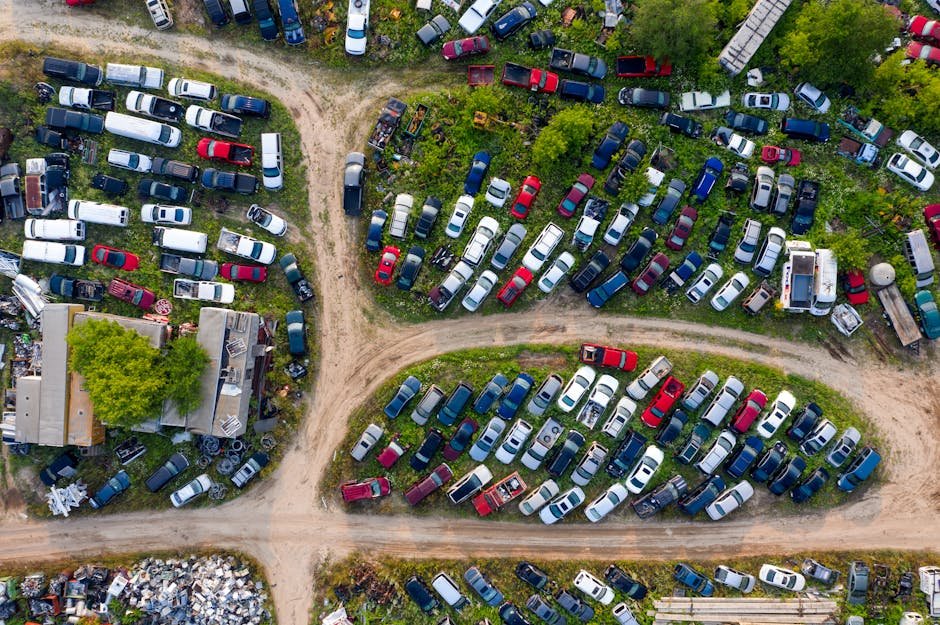

If you are looking to sell car to breakers yard facilities, you are embarking on a process that is both environmentally responsible and financially rewarding. As vehicles reach their end of life (ELV), they transition from functional transportation into a valuable resource of raw materials and reusable components. Understanding the nuances of the automotive recycling industry is essential to ensure you receive the best price for your vehicle while navigating the legal requirements of vehicle disposal in Australia.
Understanding the End of Life Vehicle (ELV) Process
The journey of an ELV begins the moment a vehicle is no longer roadworthy or economically viable to repair. When you decide to sell car to breakers yard, you are participating in a sophisticated circular economy. Professional car wreckers do not simply crush vehicles; they perform a systematic dismantling process. First, hazardous fluids—such as engine oil, coolant, brake fluid, and battery acid—are drained and disposed of according to strict environmental regulations. This prevents soil and water contamination, which is a cornerstone of modern vehicle recycling.
Once the vehicle is depolluted, the recovery of auto parts begins. Functional components like alternators, starter motors, transmissions, and body panels are tested and cataloged for resale. This secondary market for parts provides affordable options for other car owners, extending the lifecycle of manufactured goods. The remaining chassis is then processed for its metal content. Steel, aluminum, and copper are separated and sent to foundries to be melted down and repurposed into new products. By choosing to sell car to breakers yard operations, you are directly contributing to a reduction in the demand for virgin raw materials, which is a significant win for sustainability.
How to Get the Best Price for Your Scrap Vehicle
Securing the best price for your vehicle requires a bit of preparation. Many people make the mistake of calling the first wrecker they find, but the market for scrap metal is dynamic and varies based on current commodity prices. Before you initiate the sale, assess the condition of your car. Is it a complete vehicle, or have you already stripped it for parts? A complete vehicle with its catalytic converter, battery, and alloy wheels intact will always command a higher price than a stripped shell.
When you are researching where to sell, consider the logistics of transport. Some wreckers offer free collection, while others deduct towing fees from your final payout. Always clarify if the quote provided is a “delivered” price or a “collected” price. For those interested in the broader scrap market, our guide on Steel Scrap Yard Near Me How To Find Sell And Maximize Profits provides deeper insights into how commodity weight influences your bottom line. Additionally, if you are looking for a more streamlined approach to the entire process, you can visit our main platform to connect with verified buyers. For users operating in specific regions, we have localized advice for those who need to sell scrap car in creswell or even international contexts if you are looking to sell scrap car in colombia.
Essential Documents and Legal Requirements
Legal compliance is non-negotiable when disposing of a vehicle. You must prove that you are the registered owner of the vehicle before any legitimate scrap dealer will touch it. In Australia, this generally involves providing your driver’s license and the vehicle’s registration papers or a transfer of title document. If you have lost your registration papers, you may need to visit your local transport authority to obtain a replacement or a statutory declaration of ownership.
It is vital to notify your state’s transport department that the vehicle has been sold or disposed of. Failing to do so can leave you liable for future fines, parking tickets, or even criminal activities involving the vehicle. Always ensure you receive a receipt or a formal confirmation of purchase from the breaker. This document acts as your legal protection, proving that the vehicle is no longer in your possession. For more information on navigating these administrative hurdles, check out our resource on Scrap Yard Near Me How To Find The Best Scrap Yard Sell Scrap Online Smarter.
The Role of Car Wreckers in the Circular Economy
Car wreckers are the unsung heroes of the automotive industry. They manage the complex logistics of collecting, dismantling, and recycling thousands of tons of material annually. When you sell scrap to these facilities, you are feeding a supply chain that supports local manufacturing and reduces the carbon footprint of the automotive sector. The recovery of aluminum is particularly significant; recycling aluminum saves approximately 95% of the energy required to produce the same amount of metal from raw bauxite ore.
Furthermore, the auto parts recovered from these yards are essential for maintaining older vehicles that are no longer supported by original equipment manufacturers (OEMs). By keeping these older cars on the road through the use of recycled parts, wreckers help prevent the premature disposal of vehicles, which is the most sustainable choice of all. If you are ready to start the process, you can explore professional recycling services at Scrap Trade Australia to find reputable partners in your vicinity.
What to Do Before the Wrecker Arrives
Preparation is key to a smooth transaction. Before the tow truck arrives, conduct a thorough sweep of the vehicle. Check the glove box, under the seats, in the trunk, and even the sun visors for personal documents, toll tags, or valuables. It is surprisingly common for people to leave behind registration documents or personal identification, which could lead to identity theft if not handled carefully.
Remove any personal modifications you might want to keep, such as aftermarket stereo systems, dash cams, or customized floor mats. However, be aware that if you remove major components like the battery or the engine, the wrecker may reduce the price offered, as these items represent a significant portion of the vehicle’s scrap value. If you are unsure about what to remove, ask the buyer for their specific policy. Often, they prefer the vehicle to be “as-is” to ensure they can manage the hazardous waste disposal safely.
Maximizing Profits: Timing and Market Conditions
The scrap metal market is subject to global supply and demand fluctuations. Prices for steel, copper, and aluminum change daily based on international commodity exchanges. While you cannot control the market, you can choose when to sell. If you have the luxury of time, monitor the industry trends. When scrap metal prices are high, wreckers are often more aggressive in their bidding for vehicles because they can recoup their costs more effectively at the smelter.
Additionally, consider the seasonal demand for parts. Certain parts, like air conditioning compressors, are in higher demand during the summer months, while starters and batteries are sought after in winter. While individual sellers rarely have the leverage to negotiate based on these seasonal trends, choosing a reputable buyer who has a high turnover of parts can sometimes result in a better offer, as they are constantly looking to replenish their stock.
Common Pitfalls to Avoid When Selling Your Car
Avoid “too good to be true” offers. If a buyer offers you significantly more than the current market value for a scrap vehicle, they may be planning to deduct hidden fees for “towing,” “administration,” or “environmental disposal” once they arrive at your property. Always ask for an all-inclusive quote in writing. If they refuse, move on to the next buyer.
Another pitfall is failing to clear your personal data from modern vehicle infotainment systems. Many newer cars store your phone contacts, navigation history, and Bluetooth pairing data. Perform a factory reset on the vehicle’s computer system before handing over the keys. This is a simple step that protects your digital privacy, which is just as important as your physical safety during the transaction.
The Future of Vehicle Recycling in Australia
As Australia moves toward a more sustainable future, the regulations surrounding ELVs are becoming more stringent. There is a growing push for “Extended Producer Responsibility,” where manufacturers are held accountable for the entire lifecycle of the vehicles they produce. This will likely lead to more standardized recycling practices, making it even easier for the average consumer to sell scrap in a way that is both profitable and environmentally sound. Staying informed about these changes will ensure that you continue to get the best value for your vehicle in the years to come.
Conclusion: Taking the Next Step
Deciding to sell car to breakers yard is a logical and responsible step when a vehicle has reached the end of its life. By choosing a reputable recycler, ensuring your documentation is in order, and preparing your vehicle correctly, you can turn an eyesore into a source of income while supporting a vital industry. Whether you are clearing space in your driveway or disposing of a long-term project car, the process is straightforward when you have the right information at your fingertips. Remember to always prioritize legal compliance and environmental safety, and you will find that the scrap metal industry is a professional and reliable partner in your vehicle disposal journey.
Related: Sell Scrap
Frequently Asked Questions
Do I need to remove the license plates before selling my car to a wrecker?
Yes, in most Australian states, you are required to remove your license plates before the vehicle is collected. You should then return these plates to your local transport authority to cancel your registration and potentially claim a refund on any remaining registration period.
How is the value of my scrap car determined?
The value is primarily determined by the vehicle’s weight, the current market price of scrap steel, and the potential value of any reusable spare parts. Vehicles that are complete and contain valuable components like catalytic converters generally fetch higher prices.
What happens to the car after it is sold to a breaker?
The car is first depolluted to remove hazardous fluids, then inspected for reusable parts that can be sold on the secondary market. Finally, the remaining metal shell is crushed and shredded so the raw materials can be recycled into new products.
Can I sell a car that is not running?
Absolutely. Most car wreckers specialize in buying non-running, damaged, or totaled vehicles. Because they prioritize the metal weight and parts, the mechanical condition of the engine is often irrelevant to the scrap value.