
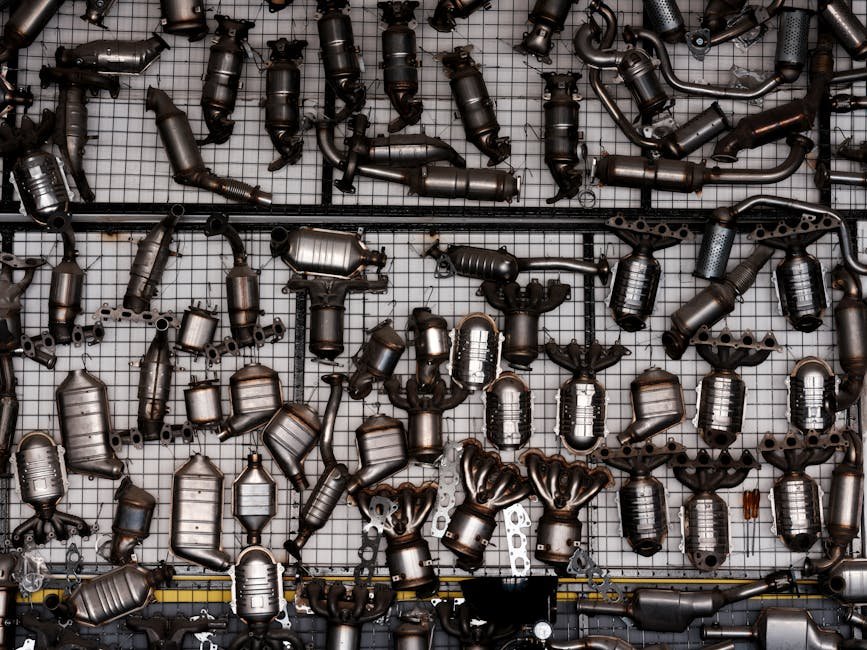

Recycling catalytic converters in Chile plays a critical role in reclaiming valuable platinum group metals (PGMs) such as palladium, rhodium, and platinum. These metals are essential for reducing harmful emissions in vehicles but are increasingly scarce due to mining limitations. By recycling catalytic converters in Chile, individuals and businesses can contribute to sustainable practices while earning income from the scrap value of these materials. This guide provides an in-depth look at the recycling process, service options, and the environmental impact of responsible recycling in Chile.
The Science Behind Catalytic Converter Recycling in Chile
Catalytic converters contain porous ceramic or metal substrates coated with PGMs like palladium, rhodium, and platinum. These metals facilitate chemical reactions that convert toxic gases (carbon monoxide, nitrogen oxides, and hydrocarbons) into less harmful emissions. In Chile, recycling centers use advanced smelting and refining techniques to extract these metals. The process involves:
- Pulverization: Converters are crushed to break down the ceramic substrate.
- Smelting: The mixture is heated to melt metals, separating them from non-metallic components.
- Refining: Electrolysis or chemical leaching isolates individual PGMs for resale to manufacturers.
Chile’s recycling industry adheres to strict environmental regulations, ensuring minimal waste and maximum recovery rates. For example, Ecotrade Group Catalytic Converters employs closed-loop systems to capture 98% of PGMs, reducing landfill contamination.
Drop-Off vs. Pickup Services for Recycling Catalytic Converters in Chile
Chileans have two primary options for recycling catalytic converters: drop-off stations and pickup services. Each method has advantages depending on location, quantity, and urgency:
Drop-Off Recycling Centres
Local recycling centres in cities like Santiago, Valparaíso, and Concepción accept small to moderate volumes of catalytic converters. Users must transport converters to the facility, which is ideal for individuals with 1-10 units. Drop-off services often provide instant payment based on current PGM market prices. To find a certified centre, use tools like ScrapTrade’s Chile directory for verified locations.
Pickup Services for Large Volumes
Businesses or individuals with 20+ units can leverage pickup services for efficiency. Companies like ScrapTrade’s certified partners offer free on-site estimates and scheduled pickups. This option reduces transportation costs and ensures secure handling, especially important for high-value converters containing significant rhodium content.
Environmental Benefits of Recycling Catalytic Converters in Chile
Recycling catalytic converters in Chile reduces the need for mining virgin PGMs, which accounts for 70% of global platinum group metal extraction. Key environmental benefits include:
- Resource Conservation: Recycling 1 metric ton of catalytic converters saves 2.5 tons of mining waste compared to extracting PGMs from ore.
- Emission Reduction: By reusing converters, Chile prevents the release of 12 tons of CO2 per ton of recycled material, compared to primary production.
Moreover, Chile’s recycling sector has reduced landfill use by 40% since 2020 by repurposing 90% of non-PGM components (like stainless steel and aluminum) into new manufacturing projects.
Maximizing Profit from Recycling Catalytic Converters in Chile
To earn top prices for your converters, consider these strategies:
- Timing: Monitor PGM price trends (e.g., palladium surged 300% in 2022 due to supply chain issues).
- Preparation: Remove converters from vehicles before recycling; damaged units may lose 15-20% of their value.
- Certification: Use ISO 14001-certified recyclers to ensure fair valuation and compliance with Chilean environmental laws.
For detailed guidance, refer to ScrapTrade’s 2026 guide on optimizing returns from PGM-containing materials.
Regulatory Framework for Recycling Catalytic Converters in Chile
Chile’s environmental authority, Superintendencia del Medio Ambiente (SMA), mandates that all converter recycling operations comply with the CERCLA-style regulations to prevent illegal dumping. Key requirements include:
- Reclaimers must hold a Ministerio de Energía license for PGM processing.
- Converters must be processed within 30 days of collection to prevent tampering.
- Exporters must submit a Formulario de Gestión de Residuos (Waste Management Form) to customs for every shipment exceeding 500 kg.
Non-compliance with these regulations can result in fines up to CLP $10 million (USD $11,000) and operational shutdowns.
Challenges and Innovations in Chilean Catalytic Converter Recycling
Despite progress, Chile’s recycling industry faces challenges like converter thefts (20,000 reported in 2023) and fluctuating PGM prices. Innovations addressing these issues include:
- Blockchain Tracking: ScrapTrade’s platform now offers QR-coded tags for converters, enabling real-time tracking from collection to smelting.
- AI Valuation Tools: Machine learning models now estimate converter value based on vehicle make, model, and PGM concentration with 95% accuracy.
These advancements are expected to boost Chile’s recycling efficiency by 15-20% by 2025, solidifying its position as a regional leader in responsible recycling.
Conclusion: Taking Action to Recycle Catalytic Converters in Chile
Recycling catalytic converters in Chile is both an economic and environmental imperative. By choosing certified recyclers and leveraging pickup/drop-off services, individuals and businesses can maximize profits while supporting sustainable practices. With Chile’s strategic location as a PGM trade hub between South America and Asia, the country is uniquely positioned to lead global recycling efforts. Start by contacting Ecotrade Group for a free valuation or using ScrapTrade’s Chile directory to locate nearby recycling centres.
Related: recycle catalytic converters norway
Related: recycle catalytic converters in colombia
Frequently Asked Questions
What is the process for recycling catalytic converters in Chile?
The process involves crushing converters to separate ceramic substrates, smelting to melt metals, and refining to extract palladium, rhodium, and platinum. Certified recyclers in Chile use closed-loop systems to ensure 98% PGM recovery.
Is drop-off or pickup service better for recycling catalytic converters in Chile?
Drop-off is ideal for small volumes (1-10 units) with instant payment, while pickup services are recommended for large quantities (20+ units) to reduce transportation costs. Use ScrapTrade’s Chile directory to find certified options.
What are the environmental benefits of recycling catalytic converters in Chile?
Recycling saves 2.5 tons of mining waste per ton of converters and prevents 12 tons of CO2 emissions compared to primary production. Chile’s industry also repurposes 90% of non-PGM components into new manufacturing projects.
How can I maximize my profit from recycling catalytic converters in Chile?
Time sales during high PGM prices, prepare converters by removing them from vehicles, and use ISO 14001-certified recyclers. Refer to ScrapTrade’s guide for detailed strategies.