
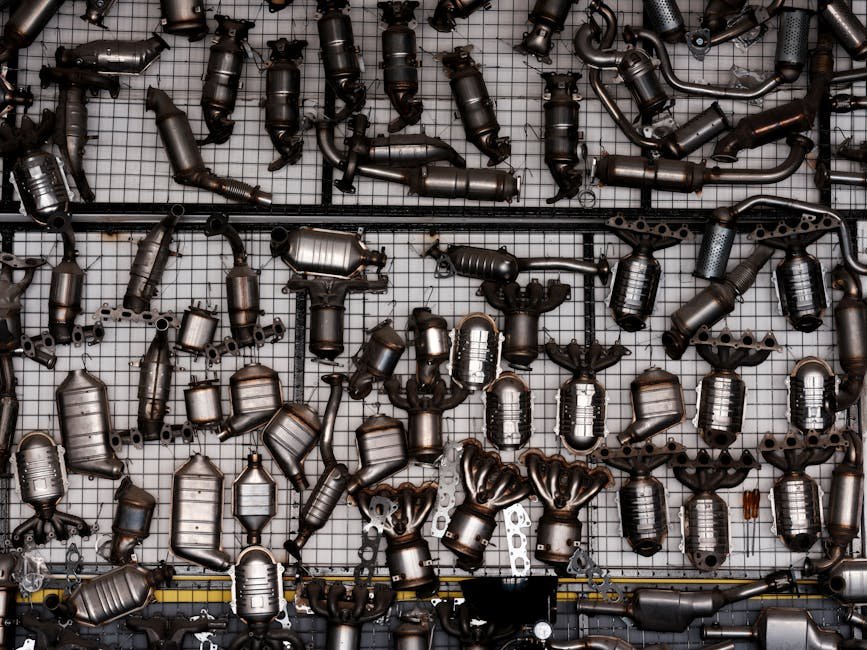

Recycle catalytic converters in Hungary is a critical process for recovering platinum group metals (PGMs) such as palladium, rhodium, and platinum. These metals are essential in reducing harmful vehicle emissions, and their recycling ensures sustainable resource management. In Hungary, the recycling infrastructure is growing, with specialized recycling centres offering both drop-off and pickup services to accommodate scrap metal traders and individuals. This guide explores the steps involved in recycling catalytic converters, environmental benefits, and practical tips for maximizing value while adhering to regulations.
Understanding the Recycling Process
The recycle catalytic converters in Hungary process begins with harvesting the catalytic converter from a vehicle. Once removed, it is transported to a recycling centre equipped with advanced extraction technology. The converter is dismantled, and the ceramic or metallic substrate is crushed to access the catalytic coating containing PGMs. These metals are then separated through chemical processes like smelting and refining, which recover pure palladium, rhodium, and platinum. Hungary’s recycling facilities often partner with international markets to export these refined metals, supporting global supply chains for automotive and industrial applications.
Drop-Off vs Pickup Services
Choosing between drop-off and pickup services for recycling catalytic converters in Hungary depends on logistics and volume. Drop-off services require individuals to transport converters to authorized recycling centres, which is ideal for small-scale traders or DIY enthusiasts. For larger quantities or remote locations, pickup services offer convenience, with specialized trucks collecting converters directly from your premises. Companies like Ecotrade Group Catalytic Converters provide both options, ensuring competitive pricing and secure handling. Always verify the recycler’s credentials to ensure compliance with environmental and safety standards.
Environmental Impact of Recycling
Recycling catalytic converters in Hungary significantly reduces environmental harm by preventing PGMs from entering landfills and minimizing the need for mining. The extraction of palladium, rhodium, and platinum from discarded converters requires less energy than mining new materials, lowering carbon footprints. Additionally, recycling prevents toxic emissions from unregulated disposal, aligning with Hungary’s EU-mandated sustainability goals. By choosing certified recycling centres, traders contribute to a circular economy, where resources are reused efficiently to combat climate change.
Maximizing Profit and Safety
To maximize profit when recycle catalytic converters in Hungary, ensure converters are in good condition and free from contaminants. Research current market prices for PGMs to negotiate better rates, and consider selling in bulk for higher returns. For safety, always use protective gear when handling converters and avoid cutting them with open flames, which can damage the catalytic material. Selling Catalytic Converters How To Maximize Your Profit Safely provides actionable strategies for secure and profitable transactions.
Comparing Global Recycling Efforts
While Hungary’s recycling infrastructure is robust, other countries like Chile and Norway have unique approaches. Recycle catalytic converters in Chile focuses on gold and silver extraction alongside PGMs, while recycle catalytic converters Norway emphasizes zero-waste policies. Understanding global practices can offer insights into improving Hungary’s recycling efficiency and market competitiveness.
Practical Tips for Traders
- Verify Recycler Certifications: Ensure the recycling centre has ISO 14001 or similar certifications for environmental compliance.
- Track Market Trends: Use platforms like Scrap.Trade to monitor PGM price fluctuations and optimize selling times.
- Bundle with Other Scrap: Combine catalytic converters with platinum scrap jewelry or industrial metals for bulk discounts, as detailed in Sell Platinum Scrap Jewelry Catalytic Converters Industrial 2026 Guide.
Conclusion
Recycling catalytic converters in Hungary is a vital step toward sustainable resource management. By leveraging certified recycling centres, understanding the extraction process, and choosing efficient logistics options, traders can maximize economic and environmental value. Whether through drop-off or pickup services, recycling ensures that precious metals like palladium and rhodium are reused, reducing ecological damage and supporting global industries. For further guidance, ScrapTrade offers tools to streamline your scrap metal trading operations.
Frequently Asked Questions
Are there legal restrictions on recycling catalytic converters in Hungary?
Yes, Hungary enforces strict regulations to prevent illegal extraction. Always use licensed recycling centres to ensure compliance with environmental and safety laws.
How can I identify the type of metals in a catalytic converter?
Professional recycling centres use X-ray fluorescence (XRF) scanners to analyze platinum group metals (PGMs) like palladium and rhodium in converters.
Which is more cost-effective: drop-off or pickup services?
Drop-off services are cheaper for small quantities, while pickup services are ideal for bulk orders or remote locations, reducing transportation costs.
What environmental benefits does recycling catalytic converters provide?
Recycling reduces mining demands, lowers carbon emissions, and prevents toxic waste from entering ecosystems, supporting Hungary’s sustainability goals.