
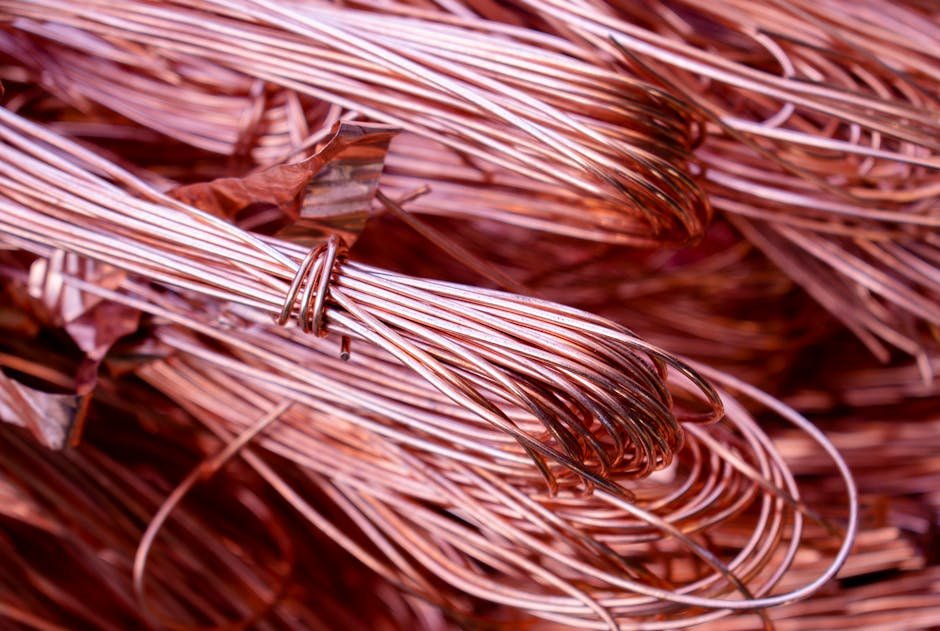

Understanding the nuances of electric wire scrap is essential for anyone involved in industrial demolition, electrical contracting, or scrap metal collection. As the global demand for conductive metals like copper continues to surge, the secondary market for cable scrap has become a cornerstone of the circular economy. This guide provides an expert-level overview of how to maximize the value of your scrap, the technical grades involved, and the environmental imperatives driving the industry.
The Fundamentals of the Scrap Metal Industry
Before diving into specific grades, it is important to understand the broader market context. If you are new to this sector, you might wonder What Is Scrap Trade and how it functions as a global engine for resource recovery. The industry is not merely about collecting discarded items; it is a sophisticated logistics and manufacturing chain that bridges the gap between waste and raw material supply.
For those looking to understand the mechanics of the market, exploring What Scrap Trade Actually Is provides critical insights into how commodity pricing and industrial demand dictate the value of your materials. Whether you are a professional contractor or a commercial recycler, knowing the market dynamics is the first step toward profitability. When you are ready to monetize your collection, you can sell scrap wire through our streamlined platform, which connects sellers with verified buyers across Australia.
Understanding Grades of Copper Wire and Cable Scrap
Not all electric wire scrap is created equal. The valuation is heavily dependent on the recovery rate—the percentage of metal that can be extracted from the insulation. In the industry, we categorize these materials into specific grades to ensure accurate pricing.
- Bare Bright Copper: This is the highest grade, consisting of clean, unalloyed, uncoated copper wire, free of insulation and oxidation. It is essentially pure copper.
- Number 1 Copper Wire: This consists of clean, unalloyed copper wire, usually with a diameter of at least 1/16 of an inch. It may have light oxidation but must be free of insulation and other contaminants.
- Number 2 Copper Wire: This grade includes copper wire that may have some oxidation, light coating, or small amounts of solder. It is still highly valuable but requires more processing than Number 1.
- Insulated Copper Wire: This refers to copper wire that is still encased in its plastic or rubber coating. The value here is determined by the “yield”—the amount of copper inside compared to the weight of the insulation. High-yield wire (thick copper) is worth significantly more than low-yield wire (thin, hair-like strands).
- Communication Cable: This includes data cables like Cat5, Cat6, and telephone wires. These contain very fine copper strands and are often processed differently due to the high volume of plastic insulation.
The processing of these materials is a specialized task. When dealing with insulated wire, modern facilities use granulators to separate the metal from the plastic. The recovered Plastic Scrap is then recycled or repurposed, ensuring that very little material goes to landfill.
The Technical Process: How Recycling Works
The transformation of raw cable scrap into high-purity metal is a multi-stage industrial process. Understanding this workflow helps you appreciate why certain grades command higher prices than others.
First, the material is collected and sorted. Contaminants such as steel armouring, plugs, or heavy connectors are removed. If left attached, these items lower the grade of the scrap and can damage processing machinery. Once sorted, the wires are fed into a heavy-duty shredder. This machine reduces the cables into small fragments, typically a few millimeters in length.
The shredded material then passes through a series of separation stages. Using density tables and air classifiers, the system separates the heavy metal particles from the lighter plastic insulation. The result is two distinct streams: clean, granular copper or aluminium, and clean plastic pellets. This level of purity is what allows the metal to be melted down and cast into new products, such as electrical busbars, plumbing components, or new wiring, effectively closing the loop on resource consumption.
Environmental Benefits of Recycling Electrical Wire
The environmental impact of mining virgin copper is significant. It requires massive amounts of energy, water, and land, often resulting in habitat destruction and toxic tailings. By choosing to recycle electrical wire scrap, you are directly reducing the demand for new mining operations.
Recycling copper uses approximately 85-90% less energy than producing it from raw ore. Furthermore, the copper recovered from recycling is essentially infinite; it can be melted and reformed indefinitely without losing its physical or conductive properties. This makes copper one of the most sustainable materials in the world. When you participate in the scrap trade, you are not just clearing out a warehouse; you are actively participating in a global effort to lower carbon emissions and preserve finite geological resources.
Practical Tips for Maximizing Scrap Value
If you aim to maximize the return on your electric wire scrap, preparation is key. Here are several expert tips to ensure you get the best market rates:
- Segregate by Grade: Never mix your high-grade bare bright copper with low-yield insulated cables. Mixing grades often results in the entire batch being valued at the lowest common denominator.
- Remove Heavy Contaminants: If you have large industrial cables with steel fittings, brass connectors, or heavy steel boxes, remove them if possible. These items are often purchased as separate commodities.
- Keep it Clean: Ensure your scrap is free of dirt, oil, and excessive moisture. Clean material is easier to process and is viewed more favorably by buyers.
- Volume Matters: Larger quantities of sorted scrap are more attractive to recyclers. If you are a contractor, consider setting up a dedicated bin system on-site to keep different types of scrap separated from the start.
- Stay Informed: Commodity prices fluctuate daily. Use resources like the Australian scrap metal market portal to keep an eye on current trends and price movements.
For those managing large-scale demolition projects, having a clear strategy for electrical wire disposal can turn a waste management cost into a revenue stream. By treating scrap as a valuable asset rather than trash, you contribute to a more efficient and profitable business model.
The Future of Cable Recycling and the Circular Economy
As technology evolves, so does the nature of the scrap we handle. The rise of renewable energy infrastructure, such as solar farms and wind turbines, has introduced vast quantities of specialized cabling into the scrap stream. These cables often contain high-quality copper and advanced insulation materials that require specialized recycling techniques.
The industry is moving toward more automated, AI-driven sorting systems that can identify and separate different types of alloys with extreme precision. This ensures that even the most complex cable scrap can be processed efficiently. Furthermore, as manufacturers face increasing pressure to use recycled content in their products, the demand for high-quality recycled copper is only expected to increase. This shift toward a circular economy means that your scrap is becoming more valuable every year, provided it is handled and processed correctly.
Safety Protocols in Scrap Handling
Safety is paramount when handling electrical wire scrap. Always ensure that all wires are completely de-energized before collection. It is common for contractors to mistakenly assume a cable is dead, only to find it connected to a secondary power source or a solar inverter. Use voltage testers and follow strict lockout/tagout procedures during demolition.
Additionally, be mindful of the physical hazards of scrap metal. Sharp edges on cut cables, heavy coils that can shift during transport, and the potential for chemical exposure from old insulation materials require the use of appropriate personal protective equipment (PPE), including cut-resistant gloves, steel-toed boots, and eye protection. Always prioritize a clean, organized workspace to prevent tripping hazards and ensure that your scrap collection area complies with local environmental regulations regarding soil and water protection.
Conclusion: Turning Waste into Wealth
Recycling electric wire scrap is a vital activity that supports the global transition toward sustainable manufacturing. By understanding the grades, the processing methods, and the environmental impact of your actions, you can make informed decisions that benefit both your bottom line and the planet. Whether you are a small-scale collector or a large industrial firm, the principles of proper sorting and responsible recycling remain the same. Start by implementing a robust collection system, stay current with market pricing, and partner with reputable recyclers to ensure your materials are processed to the highest standards. For more information on how to manage your scrap inventory, visit our primary resource hub and join the thousands of professionals who are building a more sustainable future through the power of the scrap trade.
Related: electrical wire scrap
Frequently Asked Questions
Is it worth stripping the insulation off my electric wire scrap?
It depends on the volume and your available time. While bare copper commands a higher price per kilogram, the labor cost of stripping can often outweigh the gains unless you have a professional-grade wire stripping machine.
How do I determine the grade of my electrical wire?
The grade is primarily determined by the thickness of the copper strands and the amount of insulation present. High-yield wire with thick copper is graded higher than thin, hair-like wire or communication cables.
Can I recycle electrical wire that has been burnt?
Most reputable scrap yards discourage or refuse burnt wire. Burning insulation releases toxic fumes and creates a carbon residue on the copper that significantly lowers its value and makes it difficult to process.
Why does the price of copper scrap change so often?
Copper is a globally traded commodity on the London Metal Exchange. Its price fluctuates based on global supply and demand, currency exchange rates, and broader economic indicators.