
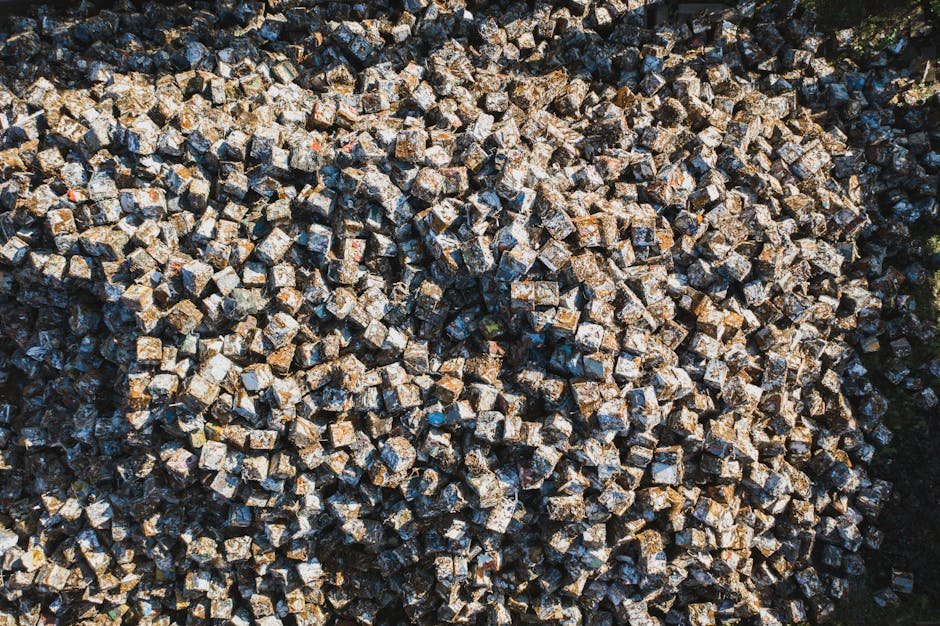

When you decide to sell carbide scrap, you are participating in a critical circular economy that recovers valuable tungsten and cobalt from industrial waste. Tungsten carbide is one of the most durable materials used in manufacturing, and because its extraction is resource-intensive, recycling it is both an environmental necessity and a profitable endeavor for machine shops and industrial facilities. Whether you are managing a large-scale manufacturing plant or a small workshop, understanding the nuances of the market is essential to secure the best price for your tungsten carbide inserts, end mills, drills, and wear parts.
Understanding Carbide Grades and Composition
Tungsten carbide is not a single material; it is a composite of tungsten carbide particles bonded together by a metallic binder, usually cobalt. The performance characteristics of these tools—hardness, toughness, and wear resistance—depend entirely on the grade, which is defined by the grain size and the percentage of cobalt binder. When you prepare to sell carbide scrap, the buyer will evaluate the material based on these grades.
Common grades include:
- General Purpose Grades: These contain a standard percentage of cobalt (typically 6-10%) and are used in a wide range of turning and milling applications.
- High-Cobalt Grades: Used for heavy-duty mining or high-impact applications, these are often more valuable due to the specific metallurgical requirements.
- Micro-grain Grades: These offer superior edge retention and are highly sought after for precision machining.
The purity of the scrap is paramount. Contamination with steel, braze, or ceramic coatings can significantly lower the value of your shipment. Before you look for a Sell Scrap partner, ensure that your carbide is free from attached steel shanks or bolts. While some scrap dealers may accept mixed carbide, the highest returns are always found in sorted, clean material. If you are unsure about the grade, a professional scrap dealer can often perform a spark test or use XRF (X-ray fluorescence) analysis to determine the composition.
The Economics of Carbide Recycling: Getting the Best Price
To get the best price for your tungsten carbide, you must treat your scrap as a refined commodity rather than simple “junk.” The market for tungsten is volatile and influenced by global mining output and industrial demand. Because tungsten is a critical mineral, prices fluctuate in line with the LME (London Metal Exchange) and other global indicators.
When you are ready to scrap carbide prices, consider these factors:
- Volume: Larger quantities give you more leverage. Consolidating your scrap over several months can often result in better pricing than selling small, sporadic batches.
- Sorting: As mentioned, removing impurities is the single most effective way to increase your payout.
- Market Timing: Keep an eye on global tungsten market trends. If prices are on an upward trajectory, holding your stock for a few weeks could yield higher returns.
- Direct Dealing: Working directly with a reputable scrap metal recycling platform ensures you are not losing margin to middle-men or brokers who take a cut of the commodity value.
It is also worth noting that while tungsten carbide is the primary focus, many workshops also generate other types of waste. If you are clearing out your facility, you might also need to sell pvc scrap or other non-ferrous materials. Managing your waste streams holistically can help you maximize your total scrap revenue.
Where to Sell Carbide Scrap and Choosing a Partner
Choosing the right buyer is just as important as the material itself. You need a partner who provides transparent weighing, clear grading, and prompt payment. When searching for a buyer, look for certifications and a track record of ethical business practices. If you are looking for local options, you might search for Sell Scrap Metal Near Me In 2026 to find facilities that are equipped to handle high-value industrial metals.
A professional dealer will provide you with a scale ticket and a detailed breakdown of the material received. They should be able to explain how they arrived at the price, reflecting the current market value of the tungsten and cobalt content. Avoid dealers who provide vague pricing or refuse to show you the weighing process. Transparency is the hallmark of a professional scrap metal trader.
Documentation and Legal Requirements
The scrap metal industry is subject to strict regulations to prevent the trade of stolen goods and ensure environmental compliance. When you sell carbide scrap, you will likely need to provide identification and, in some jurisdictions, a business registration number. Documentation is not just a legal requirement; it is your protection.
For businesses, maintaining a paper trail for all scrap sales is vital for tax purposes and internal auditing. If you are dealing with other types of waste, such as lead-acid batteries, the documentation requirements are even more stringent. Always ensure you understand How To Sell Battery Scrap Legally to avoid fines and ensure that hazardous materials are handled according to state and federal environmental laws.
Keep records of:
- The date of sale.
- The weight and grade of the material sold.
- The name and ABN of the purchasing company.
- The final settlement amount.
These records will help you track the profitability of your waste management program over time.
The Recycling Process: From Scrap to New Tools
Once you have sold your carbide, the recycling journey begins. The process is a marvel of modern chemical engineering. Most tungsten carbide is recycled via the “zinc process” or chemical leaching. In the zinc process, the scrap is heated in a furnace with molten zinc, which breaks the bond between the tungsten carbide particles and the cobalt binder. The resulting product is then milled, re-powdered, and pressed into new tools.
This closed-loop system is highly efficient. It requires significantly less energy than mining virgin tungsten ore, which often involves deep-earth extraction and complex refining processes that can have a heavy environmental footprint. By recycling, you are directly contributing to the conservation of natural resources and reducing the energy intensity of the manufacturing supply chain.
Environmental Benefits and Sustainability
The environmental impact of recycling tungsten carbide cannot be overstated. Tungsten is a finite resource, and its extraction often occurs in regions with fragile ecosystems. By keeping carbide out of landfills, you prevent heavy metals from leaching into the soil and groundwater. Furthermore, the energy savings achieved through recycling are substantial. When you choose to recycle, you are helping to lower the carbon footprint of your own operations and the broader manufacturing industry.
This commitment to sustainability is increasingly important for Australian businesses. Many clients and stakeholders now require proof of sustainable waste management practices. By partnering with a reputable recycling platform, you can document your contribution to the circular economy, which can be a powerful marketing tool for your business.
Synergy with Other Industrial Recycling
Carbide recycling is often just one part of a larger waste management strategy. Industrial facilities often deal with a wide variety of metals, from high-value copper wiring to stainless steel turnings. Effective scrap management involves segregating these streams to ensure you are getting the best price for each category. For example, Scrap.Trade offers a comprehensive platform for managing all your scrap metal needs, ensuring that you don’t just focus on carbide but optimize your entire waste output.
Consider the broader context of your facility’s waste. Are you managing end-of-life vehicle (ELV) components? Are you dealing with auto parts that are no longer fit for service? Many of the principles that apply to carbide—such as sorting, cleaning, and identifying the material—also apply to car wreckers and general vehicle recycling. By treating all your scrap with the same level of professional rigor, you turn a cost center into a revenue stream.
Future Trends in the Scrap Metal Industry
As we move toward 2026 and beyond, the scrap metal industry is becoming increasingly digitized. Platforms that provide real-time pricing, digital documentation, and transparent logistics are replacing the traditional, opaque methods of the past. For those looking to sell carbide scrap, this means more power and better information at your fingertips. We are seeing a move toward more sophisticated sorting technologies, such as AI-driven optical sorting, which will further improve the purity of recycled carbide and increase its value.
Staying informed about these trends will help you stay ahead of the competition. Whether it is understanding the impact of new environmental regulations or leveraging digital platforms to find the best buyers, being an informed seller is the key to long-term success. Remember that your scrap is an asset, and like any other asset, it deserves to be managed with care, expertise, and a focus on maximizing its value.
Conclusion
Selling your carbide scrap is a smart business decision that benefits your bottom line and the environment. By understanding the grades of carbide, preparing your material correctly, and partnering with a reputable, transparent buyer, you ensure that you receive the best price for your industrial waste. Whether you are a small machine shop or a large manufacturing facility, the principles of sorting, documentation, and market awareness remain the same. Use the resources available through platforms like Scrap.Trade to streamline your process, stay updated on market prices, and connect with verified buyers across Australia. Start treating your scrap as a valuable commodity today, and you will see the immediate impact on your business’s profitability and sustainability credentials.
Frequently Asked Questions
A: Tungsten carbide is significantly denser and harder than steel, and it does not spark when held against a grinding wheel. You can also use a magnet to test it; while some grades are slightly magnetic, they do not exhibit the same strong attraction as iron or steel.
A: Yes, heavy oxidation or significant contamination with steel, copper, or braze will lower the value. Clean, uncoated, and sorted carbide always commands the highest market price.
A: While many buyers accept smaller quantities, you will generally get a better price and more favorable shipping terms if you accumulate a larger volume. Check with your specific buyer for their minimum thresholds.
A: Carbide prices are tied to the global tungsten market, which can fluctuate daily based on supply, demand, and currency exchange rates. It is best to check current market rates immediately before you plan to sell your material.
Frequently Asked Questions
How do I know if my scrap is actually tungsten carbide?
Tungsten carbide is significantly denser and harder than steel, and it does not spark when held against a grinding wheel. You can also use a magnet to test it; while some grades are slightly magnetic, they do not exhibit the same strong attraction as iron or steel.
Does the condition of the carbide affect the price?
Yes, heavy oxidation or significant contamination with steel, copper, or braze will lower the value. Clean, uncoated, and sorted carbide always commands the highest market price.
Is there a minimum weight requirement to sell carbide?
While many buyers accept smaller quantities, you will generally get a better price and more favorable shipping terms if you accumulate a larger volume. Check with your specific buyer for their minimum thresholds.
How often do carbide scrap prices change?
Carbide prices are tied to the global tungsten market, which can fluctuate daily based on supply, demand, and currency exchange rates. It is best to check current market rates immediately before you plan to sell your material.