
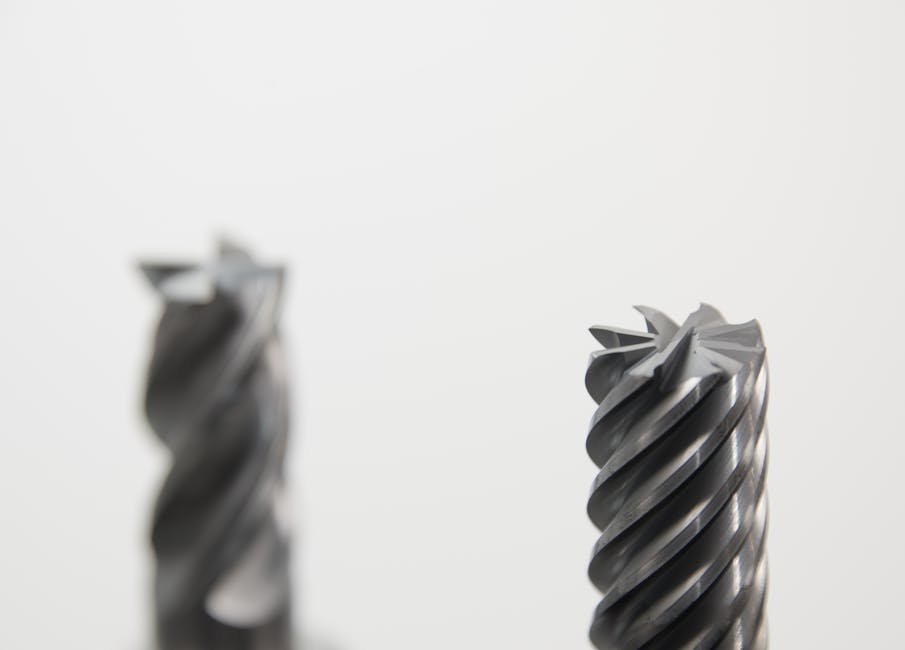

Understanding the tungsten carbide scrap price Australia is essential for industrial operators, machine shops, and contractors looking to optimize their waste management revenue. Unlike common ferrous metals, tungsten carbide is a high-value, strategic material that requires specialized handling and market knowledge to ensure you receive fair compensation for your inventory. Whether you are dealing with worn-out mining tools, industrial inserts, or specialized cutting equipment, knowing how to value these items is the first step in turning industrial waste into a significant revenue stream.
The Current Market Dynamics of Tungsten Carbide
Tungsten carbide is one of the densest and hardest materials available, making it indispensable in modern manufacturing. However, its value is not static. The tungsten carbide scrap price Australia is heavily influenced by the global supply of tungsten ore, which is primarily sourced from a limited number of countries. Because tungsten is considered a critical raw material for defense, aerospace, and energy sectors, any disruption in supply chains can cause immediate volatility in current scrap prices.
When you evaluate your scrap, it is important to distinguish between “pure” carbide and contaminated loads. Carbide that is heavily brazed to steel shanks or contaminated with other alloys will fetch a lower price per kg than clean, carbide-only inserts. For those managing diverse metal streams, it is helpful to compare these values against other common metals. For instance, understanding the Ss304 Vs Ss316 Scrap Price Difference Grade Comparison Australia 2026 can provide context on how alloy purity dictates value across the industry.
Factors Influencing Your Scrap Return
Several key factors determine the final payout you receive when you decide to sell your scrap. First and foremost is the cobalt content. Cobalt is used as a binder in the production of tungsten carbide, and its concentration significantly impacts the recycling process. High-cobalt grades are often treated differently than low-cobalt grades. Furthermore, the physical state of the material matters; fine dust or sludge is much harder to process and refine than solid, clean inserts, leading to a lower price per kg for the former.
Market timing also plays a role. Just as Aluminum Scrap Price Per Kg Australia 2026 All Grades fluctuates based on energy costs and industrial demand, tungsten carbide prices respond to the health of the mining and automotive sectors. If you are a business owner involved in professional metal recycling services, keeping a close eye on daily market fluctuations is vital. You can find more specific data on current market trends by checking the latest scrap price for tungsten carbide to ensure your quotes are competitive.
Grades and Categorization of Carbide Scrap
To maximize your returns, you must sort your material effectively. Scrap yards categorize carbide based on its application and purity. Common categories include:
- Tungsten Carbide Inserts: These are the most common form of scrap. They are typically clean, free of steel, and highly sought after by recyclers.
- Mining Bits and Wear Parts: These often contain steel components. While they are still valuable, the cost of labor to separate the carbide from the steel will be deducted from your final price.
- Tungsten Carbide Sludge/Powder: This is the byproduct of grinding processes. It requires chemical processing to reclaim the tungsten, making it less valuable than solid pieces.
- Specialized Tooling: Items like tungsten carbide drill bits scrap price points are often higher due to the quality of the carbide used in precision drilling applications.
Always ensure that your scrap is free from “tramp” metals. Even a small amount of iron or copper contamination can downgrade an entire batch, significantly reducing the tungsten carbide scrap price Australia you are offered. If you are dealing with yellow or red brass components from your machinery, refer to the Brass Scrap Price Per Kg Australia Yellow Brass Vs Red Brass guide to ensure you are sorting those materials correctly as well.
The Environmental and Economic Benefits of Recycling
Recycling tungsten carbide is not just a financial decision; it is an environmental imperative. Tungsten is a finite resource, and mining it is energy-intensive and environmentally taxing. By recycling end-of-life carbide, we reduce the need for virgin ore extraction. This process, often referred to as the “circular economy” in the metals industry, allows us to recover tungsten and cobalt, which can then be reused in the production of new high-performance tools.
This is particularly relevant in the context of industrial recycling platforms that focus on sustainability. When you recycle with a reputable firm, you are contributing to a system that lowers the carbon footprint of the manufacturing sector. Many companies now prioritize “green” supply chains, and by documenting your recycling efforts, you can demonstrate your commitment to corporate social responsibility.
The Role of Auto Parts and End of Life Vehicles
While much of the tungsten carbide in the market comes from industrial machining, a significant portion is also recovered from the automotive sector. As part of comprehensive vehicle recycling, car wreckers often recover specialized components that contain tungsten carbide. When an end of life vehicle (ELV) is processed, the separation of high-value alloys from the steel chassis is a critical step in maximizing the value of the auto parts recovered.
Understanding the intersection of metal prices today and the automotive scrap market is crucial. Many car wreckers are becoming more sophisticated in their handling of non-ferrous materials. By identifying the tungsten carbide components within an ELV, these operators can secure a much higher return than if they simply sold the entire vehicle as bulk steel. This level of precision, when combined with a solid understanding of the tungsten carbide scrap price Australia, is what separates profitable recycling operations from those that leave money on the table.
Practical Tips for Maximizing Your Scrap Returns
If you want to ensure you are getting the best possible value for your scrap, follow these expert tips:
- Sort at the Source: Do not mix your carbide with high-speed steel (HSS) or other tool steels. The presence of these metals will cause your entire load to be graded as a lower-value alloy.
- Clean Your Material: If possible, remove steel shanks, bolts, and braze material. Clean, pure carbide is the “gold standard” for recyclers and commands the highest price.
- Build Relationships: Work with a consistent, reputable scrap buyer. Long-term relationships often lead to better pricing and more transparent grading practices.
- Store Properly: Keep your scrap in dry, labeled containers. Moisture and dirt can add unnecessary weight and create confusion during the weighing process.
- Stay Informed: Market prices for metals change daily. Use reliable online resources to check metal prices today before you take your load to the yard.
The Future of Tungsten Recycling
The demand for tungsten is expected to grow as industries continue to innovate. As we look toward 2026 and beyond, the technology used to recycle tungsten carbide is becoming more efficient. New chemical and thermal processes are allowing recyclers to recover a higher percentage of the material with less energy consumption. This shift will likely lead to more stable pricing and a greater emphasis on the purity of the scrap provided by businesses.
For Australian businesses, the ability to capitalize on these trends depends on staying connected to the global market. By utilizing digital platforms to track the tungsten carbide scrap price Australia, you can make informed decisions about when to sell your accumulated stock. Whether you are a small machine shop or a large-scale industrial manufacturer, the principles of effective sorting, timely selling, and choosing the right partner remain the foundation of success in the scrap trade.
Conclusion
Navigating the world of tungsten carbide recycling requires a blend of industry knowledge and market awareness. By understanding the factors that influence the tungsten carbide scrap price Australia, such as purity, cobalt content, and global demand, you can turn your industrial waste into a reliable revenue stream. Remember that the value of your scrap is not just in the weight, but in the quality and preparation of the material you provide to the recycler.
As you continue to manage your metal waste, keep these principles in mind: sort your grades, maintain clean inventory, and stay updated on the latest market trends. By doing so, you not only maximize your financial returns but also contribute to a more sustainable and efficient manufacturing future for Australia. Whether you are dealing with auto parts, machining inserts, or specialized mining equipment, the value is there if you know how to unlock it.
Frequently Asked Questions
What is the primary factor that drives the price of tungsten carbide?
The primary driver is the global supply and demand for tungsten ore, combined with the purity of the scrap. High-cobalt content and the absence of contaminants like steel or iron significantly increase the value.
How should I prepare my tungsten carbide scrap for sale?
You should sort your scrap by grade and remove any non-carbide attachments like steel shanks, bolts, or braze material. Keeping the material clean and free of other metals will ensure you receive the highest price per kilogram.
Does the price of tungsten carbide change daily?
Yes, like most industrial metals, the price is subject to daily fluctuations based on global market conditions and currency exchange rates. It is advisable to check current market data before finalizing a sale.
Is it worth recycling small amounts of tungsten carbide?
Yes, because tungsten is a high-value metal, even small quantities can be worth a significant amount compared to other scrap metals. It is always worth collecting and sorting your carbide waste for recycling.