
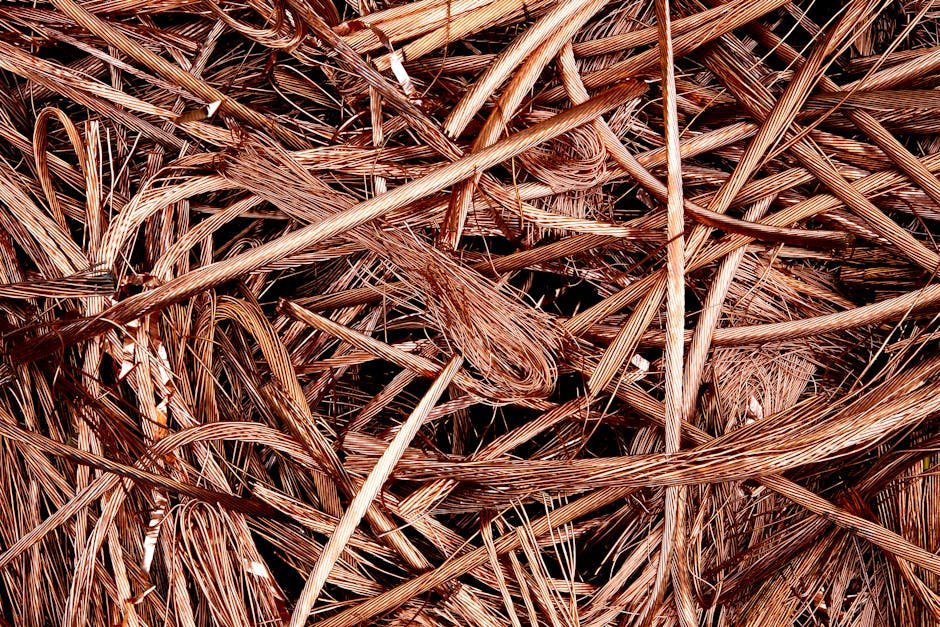

Navigating the market for copper metal scrap australia requires a deep understanding of how global commodities affect local supply chains. As one of the most versatile and conductive materials on the planet, copper is a cornerstone of the Australian economy, particularly in the construction, electrical, and renewable energy sectors. Whether you are a tradesperson, a demolition contractor, or a facility manager, knowing how to identify, sort, and sell your scrap is essential for maximizing your financial return while supporting a circular economy.
Understanding the Grades of Copper Scrap
In the world of metal recycling, not all copper is created equal. The value of your material is determined by its purity, oxidation levels, and the presence of contaminants like insulation or solder. Understanding these grades is the first step toward getting the best scrap metal copper prices for your haul.
- Bare Bright Copper: This is the gold standard. It consists of unalloyed, uncoated, and unoxidized copper wire, typically 16 gauge or thicker. It must be free of any insulation, paint, or varnish to qualify for the highest payout.
- Number 1 Copper: Often referred to as ‘heavy copper,’ this includes clean, unalloyed copper pipe and wire that may have slight oxidation but is free of solder, brass fittings, or other contaminants.
- Number 2 Copper: This grade includes copper that has some level of contamination, such as solder, paint, or minor oxidation. It is the most common grade found in residential plumbing and older electrical systems.
- Copper Wire (Insulated): This category is vast, ranging from high-voltage cables to thin appliance cords. The value here depends on the ‘recovery rate’—the percentage of actual copper weight versus the weight of the plastic insulation.
For those looking to stay updated on current market trends, our Copper Scrap Group provides a community-driven look at how these grades fluctuate based on international demand. When you are ready to liquidate your inventory, finding a reliable buyer is key, and you can Sell Scrap Metal Near Me In 2026 to ensure you are working with verified, high-volume processors.
The Copper Recycling Process: From Scrap to Commodity
The journey of copper metal scrap australia from a job site to a refined commodity is a testament to modern industrial efficiency. Once scrap is collected, it undergoes a rigorous sorting process. Automated systems, including eddy current separators and X-ray fluorescence (XRF) scanners, are used to identify and separate copper from other metals like aluminium, steel, and zinc.
After sorting, the copper is shredded into smaller pieces to remove remaining impurities. The material is then smelted in a furnace. Because copper is infinitely recyclable—meaning it does not lose its chemical or physical properties during the process—it can be melted down and cast into new ingots, rods, or billets. These products are then sold back to manufacturers to create new copper pipe, wiring for electric vehicles, or components for solar panels. This closed-loop system is the backbone of the Scrap Trade Australia network, ensuring that valuable resources stay in the supply chain rather than ending up in landfills.
Environmental Benefits of Recycling Copper
The environmental impact of recycling copper cannot be overstated. Mining virgin copper is an energy-intensive process that involves massive earth displacement, water consumption, and chemical leaching. In contrast, recycling copper uses approximately 85% less energy than producing it from raw ore.
By choosing to recycle, Australian businesses significantly reduce their carbon footprint. Every tonne of recycled copper prevents the mining of hundreds of tonnes of ore and significantly lowers greenhouse gas emissions. Furthermore, as the world transitions to a green economy, the demand for copper in renewable energy infrastructure—such as wind turbines and battery storage—is skyrocketing. Recycling provides a sustainable, low-carbon source of this critical metal, supporting Australia’s commitment to global environmental targets. If you are tracking the value of your contribution to this cycle, you can monitor the latest scrap metal copper prices australia to see how the market values your sustainable efforts.
Maximizing Your Returns: Practical Tips for Sellers
To get the most out of your copper metal scrap australia, preparation is everything. Buyers pay for purity, so spending time cleaning your scrap is a high-yield activity. Here are several expert strategies to optimize your returns:
- Sort by Grade: Never mix your bare bright copper with number 2 copper. Mixing grades will result in the buyer paying you the lower rate for the entire batch.
- Remove Contaminants: If you have copper pipe with brass fittings or solder, take the time to cut them off. Clean copper pipe fetches a significantly higher price than ‘dirty’ pipe.
- Strip Insulation (Carefully): While stripping wire can increase its grade, ensure the time spent stripping is worth the price difference. For thin wires, it may be more efficient to sell them as ‘insulated’ rather than manually stripping them, provided you have a high-volume wire stripper.
- Monitor the Market: Commodity prices change daily. Keeping an eye on scrap metal copper prices allows you to time your sales for when the market is peaking.
- Build Relationships: Working with a consistent, reputable scrap yard allows you to negotiate better rates based on your volume and the reliability of your material quality.
For those looking for a professional platform to manage their scrap metal sales, Scrap Trade offers a robust interface to connect with verified buyers. Alternatively, for those operating specifically within the domestic market, Scrap Trade Australia provides localized insights and services to help you manage your recycling logistics effectively.
The Future of Copper Recycling in Australia
The landscape for metal recycling in Australia is evolving rapidly. With the rise of the ‘Right to Repair’ movement and the increasing focus on urban mining, the importance of scrap copper is only set to increase. We are seeing a shift toward more sophisticated digital tracking of scrap, ensuring that material provenance is clear and that recycling rates are accurately reported.
Technological advancements in sensor-based sorting are also making it easier to recover copper from complex ‘e-waste’ streams. As we move toward 2030, the ability to efficiently extract copper from circuit boards and high-tech components will become a primary driver of the industry. This evolution represents a massive opportunity for businesses that can adapt their collection and processing methods to capture these high-value, complex scrap streams.
Safety and Compliance: A Professional Approach
Handling copper scrap is not just about profit; it is about safety and legal compliance. Large-scale scrap operations involve heavy machinery, sharp metal edges, and potential exposure to hazardous materials if not handled correctly. Always wear appropriate personal protective equipment (PPE), including cut-resistant gloves and steel-capped boots.
Furthermore, compliance with local environmental regulations is mandatory. Ensure that your storage areas are designed to prevent runoff into stormwater drains, as copper and other metal residues can be harmful to local ecosystems. By operating a clean, safe, and compliant site, you not only protect your workers but also build a reputation as a professional supplier, which often leads to better long-term contracts with major recycling facilities.
Strategic Planning for Construction and Demolition
For those in the construction and demolition industry, copper scrap is a significant revenue stream that is often overlooked. Implementing a ‘deconstruction’ mindset—where materials are carefully removed rather than demolished—can lead to a higher recovery rate of high-grade copper. Instead of tossing wiring into a general skip bin, set up dedicated collection points for different grades of copper. This simple operational change can turn a cost-center (waste disposal) into a profit-center.
Consider the lifecycle of your projects. When planning a renovation or demolition, audit the site for copper infrastructure early. This allows you to plan the removal process, ensuring that pipes and wiring are salvaged in a state that maximizes their market value. By integrating scrap management into your project planning, you contribute to a more efficient construction industry and ensure that the valuable resources within your buildings are returned to the economy.
Conclusion: The Value of Sustainable Metal Management
Copper is more than just a metal; it is a vital component of our modern world and a key element in the transition to a sustainable future. By understanding the grades, the recycling process, and the market dynamics of copper metal scrap australia, you are not only making a smart financial decision but also contributing to a more sustainable and resource-efficient Australia. Whether you are a small-scale contractor or a large industrial operator, the principles of proper sorting, cleaning, and market timing remain the same. Embrace these practices, stay informed through the resources at Scrap Trade, and play your part in the circular economy.
Frequently Asked Questions
What is the difference between bare bright copper and number 2 copper?
Bare bright copper is clean, unalloyed, and unoxidized wire that is free of insulation, while number 2 copper contains contaminants like solder, paint, or minor oxidation. Because of its higher purity, bare bright copper consistently commands a higher market price.
How often do scrap metal copper prices change?
Scrap metal copper prices fluctuate daily, mirroring the global commodity markets on the London Metal Exchange. Factors such as supply chain disruptions, manufacturing demand, and currency exchange rates play a significant role in these daily price shifts.
Is it worth stripping insulation off copper wire?
It depends on the thickness of the wire and the volume you have. For thick, high-recovery wire, stripping often adds significant value, but for very thin, multi-strand wire, the labor cost and time involved may outweigh the price increase compared to selling it as insulated scrap.
Why is copper recycling considered environmentally friendly?
Recycling copper requires up to 85% less energy than mining and refining virgin copper ore. This process drastically reduces carbon emissions, saves water, and minimizes the land degradation associated with traditional open-pit mining operations.