
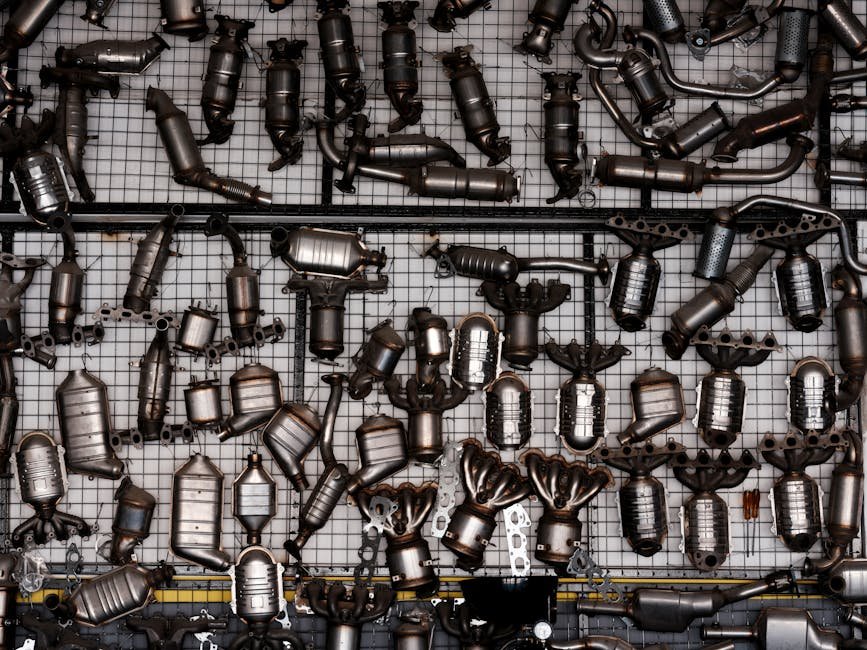

When it comes to buying scrap catalytic converter inventory, success relies on understanding the complex intersection of automotive engineering and global commodity markets. As the Australian recycling industry matures, the demand for these units has skyrocketed due to the rising value of precious metals. Whether you are a scrap yard owner, an independent collector, or a professional metal buyer, navigating this market requires precision, technical knowledge, and a reliable network of processors.
The Economics of Precious Metals in Catalytic Converters
At the heart of the catalytic converter are the Platinum Group Metals (PGMs). These include platinum, palladium, and rhodium. These metals are used to facilitate chemical reactions that convert harmful exhaust gases into less toxic pollutants. Because these metals are incredibly rare and difficult to mine, recycling them from end-of-life vehicles is not just an environmental imperative; it is a highly lucrative financial opportunity. When you are buying scrap catalytic converter units, you are essentially purchasing a concentrated stockpile of these precious commodities.
The value of a specific unit is dictated by the density and ratio of these metals. Rhodium, in particular, has seen extreme price volatility, often trading at values significantly higher than gold. Palladium, widely used in petrol vehicles, and platinum, common in diesel engines, round out the value proposition. A professional buyer must stay updated on daily market fluctuations, as the price of these metals changes in real-time on the global exchanges. For those looking to streamline their sales process, you can Sell My Catalytic Converter through our established platform to ensure you are receiving fair market valuation based on assay results rather than guesswork.
Understanding Grades and Identification
Not all converters are created equal. The industry categorizes these parts into specific grades, typically based on the vehicle manufacturer, the engine size, and the year of production. A seasoned buyer knows that the physical size of the converter does not always correlate to its PGM content. Some smaller units contain high-density ceramic monoliths rich in rhodium, while larger units might have lower concentrations.
To succeed in buying scrap catalytic converter stock, you must learn to identify units by their serial numbers or stamps. Many manufacturers use specific codes that correspond to a catalog of PGM content. If you are struggling to identify specific units, our Ecotrade Catalytic Converter database provides essential insights into common part numbers and their expected yields. Always inspect the ceramic substrate for damage; if the honeycomb is broken, crushed, or missing, the value drops significantly because the precious metal dust is lost during handling.
Where to Find and Source Scrap Converters
Sourcing is the biggest challenge for any metal buyer. The best scrap catalytic converter units are often found in automotive wrecking yards, repair shops, and through private sellers clearing out old inventory. Building relationships with local mechanics is vital, as they are the first point of contact when a vehicle is serviced or scrapped. When sourcing, consistency is key. If you are scaling your operations, you might consider Buying Scrap In Containers What To Know to optimize your logistics and reduce shipping overheads.
For those looking to expand their reach, online marketplaces and specialized scrap trading forums are excellent places to search. However, always exercise caution. Ensure you are dealing with verified entities. You can find a reputable buyer of scrap catalytic converter inventory by researching their history, checking their licensing, and confirming their payment terms. If you are looking for the best scrap catalytic converter deals, focus on high-volume suppliers who offer transparency in their grading process.
The Recycling Process: From Scrap to Precious Metal
Once you have acquired the scrap, the recycling process begins. It is a sophisticated metallurgical operation. First, the units are decanned—the steel shell is removed to expose the ceramic honeycomb. This ceramic is then milled into a fine powder. This powder is sampled and analyzed using X-ray fluorescence (XRF) or fire assay techniques to determine the exact percentage of platinum, palladium, and rhodium. This is why accurate grading at the point of purchase is so critical; if you overpay for low-grade scrap, your margins will vanish during the refining stage.
The powder is then smelted, and the PGMs are separated from the ceramic base. This process requires high-heat furnaces and chemical refining. The resulting pure metals are then sold back to manufacturers to create new catalytic converters, jewelry, or industrial equipment. By participating in this circular economy, you are contributing to a sustainable manufacturing cycle that reduces the need for destructive open-pit mining.
Environmental Benefits and Regulatory Compliance
Recycling catalytic converters is one of the most environmentally impactful activities in the metal industry. Mining for PGMs is energy-intensive and causes significant land degradation. By recovering these metals from scrap, we reduce the total carbon footprint of the automotive industry. Furthermore, proper recycling ensures that toxic heavy metals do not end up in landfills, where they could leach into groundwater.
In Australia, regulatory compliance is non-negotiable. Ensure that your business operations align with state-based environmental protection agency (EPA) guidelines. Keep meticulous records of your purchases and sales to prevent the trade of stolen goods. Trusted dealers prioritize ethical sourcing and maintain transparent audit trails. For more information on industry best practices, visit Scrap Trade Australia to stay informed about local regulations and market trends.
Logistics and Storage Strategies
Managing your inventory is just as important as buying it. Scrap catalytic converters should be stored in a dry, secure, and organized environment. Moisture can degrade the ceramic substrate, and improper storage can lead to theft. Use heavy-duty shelving and clear labeling systems to separate grades. If you are shipping bulk quantities, ensure they are packed securely to prevent breakage. The ceramic material is brittle, and even a small amount of loss during transport can equate to hundreds of dollars in lost value.
When scaling, consider the logistics of transport. Whether you are moving units across the state or exporting, understanding the hazardous goods requirements for shipping used automotive parts is essential. Document every transaction, weigh your shipments accurately, and use reliable freight partners who understand the value of the cargo they are handling. Always look at the official scrap trading portal for updates on logistics and shipping standards.
Advanced Tips for Professional Buyers
To truly excel in this market, you must treat it like a financial trading desk. Keep a spreadsheet of your purchase prices, the specific serial numbers of the converters, and the current spot prices of the PGMs. Analyze your margins regularly. If you find that certain models consistently yield lower returns than expected, adjust your buying price accordingly. Networking with other professional buyers can also provide you with market intelligence that isn’t available in public reports.
Remember that the market for scrap catalytic converters is global. While you are operating in Australia, the price you receive is ultimately determined by demand in Europe, Asia, and North America. Stay informed about global automotive production trends; if new vehicle production slows down, the demand for primary PGMs may change, which in turn affects the scrap market. By staying agile and data-driven, you can turn a simple scrap business into a high-performance investment vehicle.
Conclusion: Building a Sustainable Future
Buying scrap catalytic converters is a sophisticated business that rewards those who invest in knowledge and professional relationships. By focusing on accurate identification, ethical sourcing, and efficient logistics, you can build a profitable enterprise that supports the global transition to a circular economy. Whether you are just starting or looking to optimize your existing operations, the key is to remain disciplined in your grading and transparent in your dealings. As the world continues to prioritize sustainability, the role of the professional scrap buyer will only become more vital. Start by refining your processes today, and you will be well-positioned to capitalize on the ongoing demand for these essential precious metal components.
Frequently Asked Questions
How do I determine the value of a scrap catalytic converter?
The value is determined by the specific concentration of platinum, palladium, and rhodium inside the unit. You must identify the unit’s serial number or stamp and cross-reference it with a PGM yield catalog, then multiply the metal content by current daily market prices.
Why is rhodium so important in catalytic converter recycling?
Rhodium is a rare and highly effective catalyst used in converters to reduce nitrogen oxide emissions. Because it is extremely scarce and essential for modern emission standards, it often commands the highest price among the three precious metals found in scrap units.
What should I look for when choosing a trusted buyer?
A trusted buyer should provide transparent pricing based on assay results, maintain proper business licensing, and offer clear documentation for every transaction. Avoid buyers who offer flat rates without inspecting the specific serial numbers or grading the units individually.
Is it legal to buy and sell scrap catalytic converters in Australia?
Yes, it is legal, provided you comply with state-specific regulations regarding the trade of second-hand goods and environmental waste management. You must keep accurate records of all purchases to ensure you are not facilitating the trade of stolen property.