
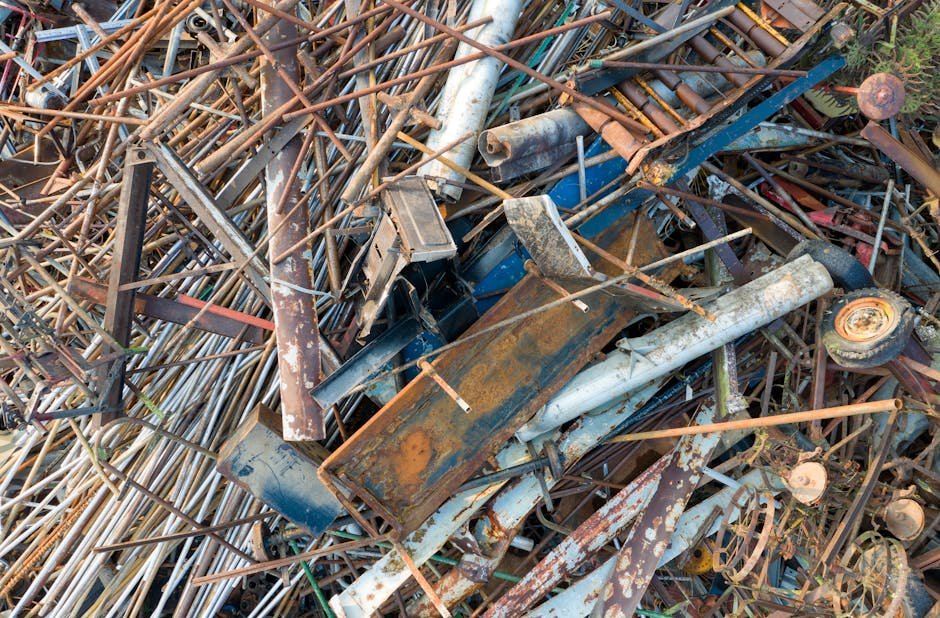

If you are searching for cash for scrap metal Lutana, you have come to the right place. Lutana, a key industrial hub in Tasmania, offers significant opportunities for businesses and individuals to turn their surplus metal into liquid assets. Whether you are clearing out a workshop, managing a construction site, or simply disposing of household appliances, understanding the value of your scrap is the first step toward a profitable and sustainable outcome. Our platform is dedicated to streamlining this process, ensuring that every tonne of metal is processed efficiently and ethically.
Understanding Metal Grades: Ferrous vs. Non-Ferrous
To maximize your return when seeking cash for scrap metal Lutana, you must first understand the fundamental difference between ferrous and non-ferrous metals. Ferrous metals contain iron and are typically magnetic. Common examples include mild steel, carbon steel, stainless steel, and cast iron. Because these metals are abundant, they are generally traded at a lower price point per tonne than their non-ferrous counterparts. However, their sheer volume makes them a staple of the recycling industry.
Non-ferrous metals, on the other hand, do not contain iron and are prized for their resistance to corrosion and high conductivity. This category includes copper, aluminium, brass, lead, and zinc. Because these metals are infinitely recyclable without losing their chemical properties, they command a much higher market price. When you are looking to Scrap Metal Recycling Near Me, separating these grades before you arrive at the yard will significantly increase the speed and accuracy of your payment. Mixing copper wire with steel, for instance, can lead to a lower grade classification, effectively costing you money.
The Scrap Metal Recycling Process: From Yard to Industry
The journey of your scrap metal begins the moment it leaves your site. Once you decide to Pick Up Scrap Metal For Cash Near Me, the material is transported to a processing facility. Here, the metal undergoes a rigorous sorting process. Advanced technology, including eddy current separators and X-ray fluorescence (XRF) analyzers, is used to identify the exact composition of the metal. This ensures that the material is not contaminated, which is vital for the downstream smelting process.
After sorting, the metal is processed. Large-scale hydraulic shears and shredders reduce the size of bulky items like car bodies or heavy machinery into manageable pieces. This material is then compacted into dense bales, which are easier to transport and feed into furnaces. By turning raw scrap into standardized commodities, recycling facilities provide the essential raw materials that modern manufacturing requires. This circular economy model is the cornerstone of responsible industrial management, reducing the reliance on virgin ore mining, which is both energy-intensive and environmentally destructive.
Environmental Benefits of Metal Recycling
The environmental impact of recycling cannot be overstated. When we recycle steel, for instance, we reduce the energy required for production by up to 75% compared to manufacturing steel from raw iron ore. For aluminium, the energy savings are even more dramatic, reaching up to 95%. By choosing to recycle, you are directly contributing to a reduction in greenhouse gas emissions and preserving natural landscapes that would otherwise be mined for raw materials.
Furthermore, recycling prevents hazardous heavy metals from entering our landfills and waterways. Items like old batteries, lead pipes, and electronic waste contain substances that can leach into the soil over time. Professional recycling facilities are equipped to handle these materials safely, ensuring that toxic components are neutralized or recovered properly. Whether you are looking for scrap metal for cash sydney or regional Tasmania, the principles of environmental stewardship remain the same. Every kilogram of metal diverted from a landfill is a win for the planet.
Strategic Tips for Maximizing Your Scrap Value
If you want to ensure you get the best deal, preparation is key. First, keep your metals clean. Remove non-metallic attachments like plastic, wood, or rubber from your scrap. A copper pipe with a brass fitting is often priced differently than a pure copper pipe, so taking the time to disassemble your items pays off. Second, stay informed about market trends. Metal prices fluctuate based on global demand, currency exchange rates, and geopolitical stability. While you might be looking for Sell Scrap Metal Near Me In 2026, keeping an eye on historical trends can help you decide the best time to sell your stockpile.
Additionally, build a relationship with a reputable buyer. A trusted partner will provide transparent weighing processes and clear pricing. If you are a contractor or a business owner, consider setting up a dedicated scrap bin on your site. This encourages staff to segregate waste at the source, preventing valuable metals from being tossed into general waste skips. For those in specialized areas, we also support services like cash for scrap metal banksmeadow, ensuring that regardless of your location, you have access to expert recycling solutions. Visit our main portal at Scrap Trade for more insights into market conditions and industry best practices.
The Future of the Scrap Industry
As we look toward the future, the scrap metal industry is becoming increasingly digitized. From real-time pricing apps to automated weighing systems, the transparency of the market is at an all-time high. This shift is empowering consumers and businesses alike to make informed decisions. The industry is also pivoting toward more sustainable processing methods, such as utilizing renewable energy to power shredding and smelting facilities. By integrating these technologies, the scrap trade is evolving from a traditional “junkyard” model into a high-tech, essential service that supports global supply chains.
For those interested in the broader scope of the industry, you can explore detailed resources at Scrap Trade Australia. We are committed to providing educational content that helps our users navigate the complexities of metal grades, safety protocols, and regulatory requirements. Whether you are a first-time seller or a long-term industrial partner, our goal is to provide the knowledge you need to succeed in the circular economy.
Common Pitfalls to Avoid When Selling Scrap
One of the most common mistakes sellers make is failing to separate their metals properly. When you bring a mixed load, the buyer must account for the labor cost of sorting it, which often results in a lower price for the entire batch. Always aim to group similar items together. Another pitfall is ignoring safety. Scrap metal can be sharp, heavy, and sometimes hazardous. Always wear appropriate personal protective equipment (PPE), such as thick gloves and steel-toed boots, when handling or transporting your scrap. Never attempt to cut or dismantle items that may contain pressurized gases or dangerous chemicals without professional guidance.
Finally, avoid the temptation to sell to unlicensed, “fly-by-night” operators. While they may promise quick cash, they often lack the infrastructure to process materials correctly, and they rarely offer the fair market rates that established, certified facilities provide. By sticking to reputable buyers, you ensure that your scrap is handled in compliance with local environmental laws and that you receive a fair, documented payment for your goods.
Why Lutana is a Strategic Location for Recycling
Lutana’s position within the industrial landscape of Tasmania makes it an ideal location for scrap metal operations. Its proximity to major transit routes and industrial zones allows for the efficient movement of heavy materials. This logistical advantage translates into lower transport costs, which can often be passed on to the customer in the form of better pricing. As the region continues to grow, the demand for metal recycling will only increase, making your scrap more valuable than ever. By engaging with local recycling initiatives, you are not just clearing space—you are fueling a vital part of the Tasmanian economy.
In conclusion, whether you are a homeowner with a few old appliances or a business owner with tonnes of industrial waste, the process of recycling is straightforward and rewarding. By understanding the grades, preparing your materials, and choosing a reputable partner, you can turn your scrap into a consistent revenue stream. Remember to stay updated on market prices, prioritize safety, and always aim for clean, sorted loads. We are here to support you in every step of your recycling journey, providing the expertise and the infrastructure required to make the most of your metal assets.
Frequently Asked Questions
What is the most valuable type of scrap metal?
Non-ferrous metals like copper, brass, and aluminium are generally the most valuable. Copper, in particular, consistently commands the highest market price due to its high demand in electrical and plumbing industries.
How should I prepare my scrap for the best price?
To get the best price, you should sort your metals by type and remove any non-metallic attachments like plastic, wood, or rubber. Clean, sorted loads are processed faster and are less likely to be downgraded by the buyer.
Do I need to bring my own equipment to a recycling facility?
No, professional recycling facilities have the necessary equipment to weigh and process your scrap. However, if you have a large volume of material, you should contact the facility beforehand to arrange for transport or specialized bin services.
Why are ferrous metals cheaper than non-ferrous metals?
Ferrous metals, such as steel and iron, are much more abundant and easier to source than non-ferrous metals. Because the supply is high, the market price per tonne is naturally lower.