

Understanding the intricacies of breeza scrap is essential for anyone involved in the industrial, construction, or manufacturing sectors in Australia. As the demand for raw materials fluctuates, the ability to effectively manage, grade, and monetize metal waste has become a cornerstone of sustainable business practice. Whether you are a commercial contractor or an industrial facility manager, navigating the complexities of the secondary metal market requires a deep understanding of how What Is Scrap Trade and how it impacts your bottom line.
The Fundamentals of Breeza Scrap and Metal Grading
To maximize the value of your materials, you must first master the art of grading. Metal is not a monolith; it is a complex array of alloys, each with distinct chemical properties and market values. When we discuss breeza scrap, we are referring to the systematic classification of metals into categories that dictate their downstream utility. Ferrous metals, such as iron and steel, are prized for their structural integrity and magnetic properties. In contrast, non-ferrous metals like copper, aluminum, brass, and stainless steel are highly sought after due to their conductivity, corrosion resistance, and infinite recyclability.
Grading is the process where a professional evaluator assesses the purity, contamination levels, and alloy composition of the material. For instance, ‘bright and shiny’ copper is graded higher than copper with insulation or oxidation. Similarly, steel is graded based on thickness and dimensions—such as heavy melting steel (HMS) versus light gauge sheet metal. By understanding these grades, you can better prepare your inventory to Sell Scrap at the highest market rate. Proper segregation at the source—keeping aluminum separate from steel, and clean copper separate from contaminated wire—is the single most effective way to improve your financial return.
How the Metal Recycling Process Works
The journey of scrap metal from a job site to a finished product is a sophisticated industrial operation. Once you decide to move your scrap, it enters a multi-stage processing facility. The first step is collection and transport, where logistics experts move heavy loads from the site to the processing yard. Upon arrival, the material is weighed on certified weighbridges to ensure transparency and accuracy in payment.
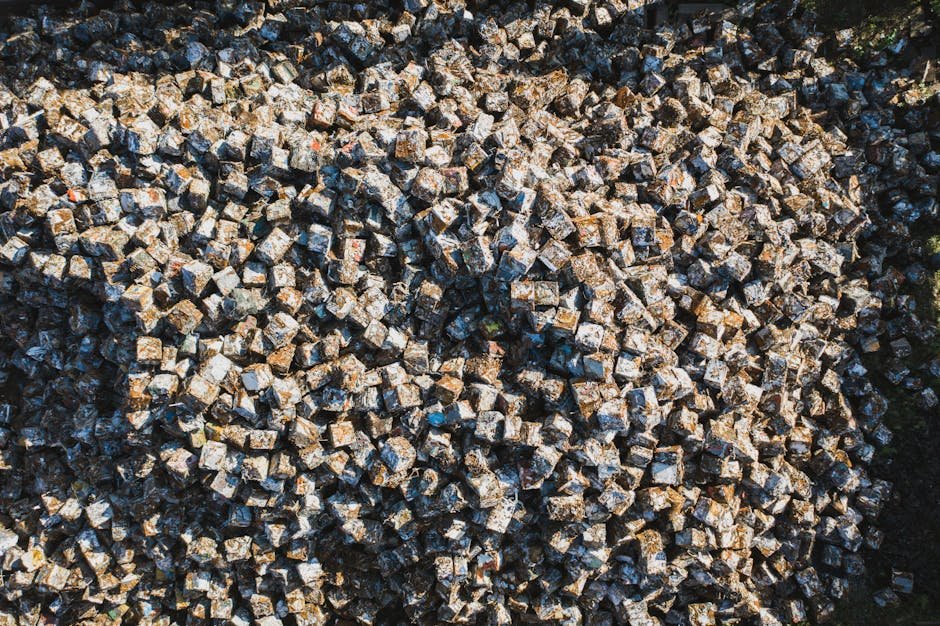
Next, the sorting phase begins. Advanced technology, including magnetic separators, eddy current separators, and X-ray fluorescence (XRF) analyzers, are used to identify the exact composition of the metal. This ensures that no contaminants, such as plastics, rubber, or hazardous materials, enter the melting furnace. Once sorted, the metal is processed through shredders or balers. Shredding breaks the metal into small, manageable pieces, which are then cleaned of non-metallic debris. Finally, the metal is melted down in high-temperature furnaces and cast into ingots or billets, which are then sold to manufacturers to create new products. This closed-loop system is why many businesses choose to scrap for cash, turning their waste into a profitable revenue stream while supporting the environment.
Environmental Benefits of Professional Recycling
The environmental case for recycling metal is overwhelming. Extracting virgin ore—mining, crushing, and refining—is an energy-intensive process that leaves a significant carbon footprint. By contrast, recycling breeza scrap consumes a fraction of the energy required for primary production. For example, recycling aluminum saves approximately 95% of the energy needed to produce aluminum from bauxite ore.
Furthermore, metal recycling reduces the volume of waste sent to landfills, preventing the leaching of heavy metals into the groundwater. It also preserves natural landscapes by reducing the need for destructive mining operations. By participating in the circular economy, Australian businesses are not only complying with increasingly stringent environmental regulations but are also contributing to a sustainable future. If you are interested in the broader industry landscape, it is worth exploring resources provided by professional scrap metal services that advocate for sustainable processing standards.
Practical Tips for Managing Scrap Inventory
Effective scrap management starts with a plan. Many businesses lose money because they treat scrap as ‘trash’ rather than as a secondary commodity. Here are several practical tips to optimize your operations:
- Segregation at the Source: Implement a color-coded bin system on your site. When workers sort materials during the demolition or manufacturing process, you avoid the cost of manual sorting later.
- Minimize Contamination: Keep your scrap dry and free of oils, plastics, and wood. Contaminated loads are often downgraded, significantly reducing the price per tonne.
- Track Market Trends: Metal prices are volatile and influenced by global supply chains. Keep an eye on market reports to time your sales when prices are peaking.
- Safety First: Scrap metal can be sharp and heavy. Ensure your team uses proper PPE, and keep your yard organized to prevent trip hazards.
- Build Relationships: Partner with a reputable recycler who provides transparent grading and consistent service.
For those looking for specific insights into regional operations, comparing your processes against industry leaders like the noah scrap initiatives can provide a benchmark for efficiency and environmental stewardship.
The Economics of the Secondary Metal Market
The secondary metal market is a global engine. Prices for scrap are determined by international demand, particularly from manufacturing powerhouses in Asia and Europe. When you trade in breeza scrap, you are participating in a global commodity market. Understanding the supply-demand dynamics—such as how a slowdown in construction can lower steel prices or how a surge in electric vehicle production can spike demand for copper and lithium—allows you to make informed decisions about when to hold or sell your inventory.
The economic impact of the scrap trade in Australia is profound. It supports thousands of jobs in logistics, processing, and engineering. By treating your metal waste as a valuable asset, you are not just cleaning up your workspace; you are contributing to a robust national industry that keeps Australia competitive on the global stage. The transition toward a circular economy is not just a trend; it is a fundamental shift in how we view resources. Every kilogram of metal that is recycled is a kilogram that does not need to be mined, transported, and refined, providing a massive efficiency gain for the global economy.
Advanced Sorting and Processing Technologies
Modern scrap yards have moved far beyond the simple magnet-and-crane setups of the past. Today, the industry utilizes AI-driven vision systems to identify and classify metals with near-perfect accuracy. These systems can distinguish between different grades of stainless steel based on their nickel and chromium content in milliseconds. This precision is what allows recyclers to produce high-grade secondary materials that are indistinguishable from virgin materials in terms of performance.
Furthermore, plasma cutting and hydraulic shearing have revolutionized how large industrial components are dismantled. These tools allow for the safe and efficient breakdown of heavy machinery, ship hulls, and structural steel, ensuring that every component is recovered and recycled. As technology continues to advance, the efficiency of the breeza scrap supply chain will only improve, leading to lower costs for the end-user and higher margins for the recycler. Investing in or partnering with facilities that utilize these advanced technologies ensures that you are getting the most value for your materials while minimizing the environmental impact of your disposal processes.
The Future of Metal Recycling in Australia
As Australia moves toward a net-zero future, the role of the scrap metal industry will become even more critical. Metal recycling is one of the most effective ways to reduce industrial emissions. By integrating recycled metals into the manufacturing process, companies can significantly reduce their Scope 3 emissions. Government policy is also shifting to encourage the ‘right to repair’ and the modular design of products, both of which facilitate easier recycling at the end of a product’s life cycle.
The future of breeza scrap lies in traceability. Blockchain and digital product passports are being explored to track the life cycle of metals, ensuring that materials are recycled responsibly and that the value is captured at every stage. For businesses, this means that transparency will become a competitive advantage. Those who can prove the origin and recyclability of their materials will find themselves in a stronger position with regulators and customers alike. As we look ahead, the integration of digital tools with traditional recycling methods will create a more resilient, efficient, and profitable industry for all stakeholders involved.
Conclusion: Taking Action in the Scrap Trade
Managing your metal assets effectively is a smart business decision that pays dividends in both cash and environmental impact. By understanding the nuances of breeza scrap, you can ensure that your operations are optimized for maximum value. Whether you are dealing with small quantities of copper wiring or large-scale structural steel demolition, the principles remain the same: segregate, keep it clean, and work with experts who understand the market.
The scrap trade is a vital component of the Australian economy, and your participation helps drive the innovation and efficiency that the sector requires. By leveraging the resources and knowledge shared in this guide, you are well-equipped to navigate the complexities of the secondary metal market. Remember, every piece of metal you recycle is a contribution to a more sustainable world. Start by auditing your current waste streams, implementing better sorting practices, and building relationships with reliable partners who can help you turn your scrap into a strategic asset. The future of industry is circular, and it begins with how you handle your metal today.
Related: Scrap
Frequently Asked Questions
What is the most valuable type of scrap metal?
Non-ferrous metals like copper, brass, and aluminum typically command the highest market prices due to their high demand and energy-intensive primary production processes. Copper, in particular, is consistently one of the most valuable scrap commodities.
How can I ensure I get the best price for my scrap?
To maximize your return, always segregate your metals by type and grade, remove non-metallic contaminants like plastic or rubber, and keep your materials clean and dry. Building a long-term relationship with a reputable local recycler can also help you secure better pricing based on volume and consistency.
Why is it important to separate ferrous and non-ferrous metals?
Ferrous and non-ferrous metals have different physical properties and are processed using different methods. Keeping them separate prevents contamination, which would otherwise force the recycler to spend more on labor and technology to sort them, ultimately lowering the price you receive.
Does the condition of the scrap metal affect its value?
Yes, condition is critical. Clean, unoxidized, and unpainted metal is much easier to process and has a higher purity level, which allows recyclers to offer a premium price. Contaminated or mixed loads are often treated as ‘mixed scrap,’ which carries a significantly lower market value.