
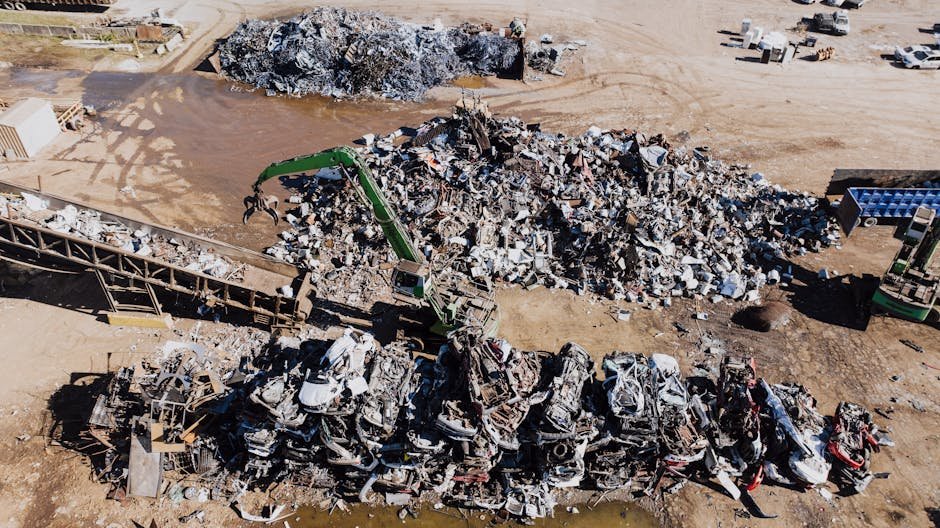

When searching for the highest paying scrap yard near me, it is essential to understand that metal recycling is a commodity-based industry driven by global supply and demand. Whether you are a tradesperson cleaning up a job site or a homeowner clearing out a garage, knowing how to categorize your materials can significantly increase your payout. By choosing a professional scrap metal recycling service, you ensure that your materials are processed efficiently and ethically.
Understanding Metal Grades and Market Value
The primary factor influencing your return is the grade of the metal. Scrap yards categorize materials into ferrous and non-ferrous groups. Ferrous metals, such as iron and steel, are magnetic and generally lower in value. Non-ferrous metals, including copper, aluminium, brass, and stainless steel, are non-magnetic and command a much higher price per kilogram. To maximize your profit, you must learn to identify these grades.
Copper is arguably the most valuable scrap metal. It is often graded as ‘Bright and Shiny’ (clean, uninsulated wire), ‘Candy’ (clean copper tubing), or ‘Burnt’ (insulation removed via fire). Aluminium is another staple, often categorized by whether it is ‘Extrusion’ (window frames), ‘Cast’ (engine parts), or ‘Sheet’. Understanding these distinctions is the secret to finding the highest paying scrap yard near me.
Contamination is the enemy of profit. If you bring a load of copper pipe that still has brass fittings attached, the yard may downgrade the entire load to a lower price bracket. Always strip non-metal components like plastic, rubber, or wood before arriving at a Metal Scrap Yard Near Me. A clean load is a profitable load.
How the Recycling Process Works
Once you arrive at a Crg Scrap Yard, the process is streamlined for efficiency. First, your vehicle is weighed on a certified weighbridge. You then unload your material into designated areas. The yard staff, acting as expert metal recyclers, inspect the load to verify the grade and check for contaminants. After unloading, your vehicle is weighed again to calculate the exact weight of the scrap delivered.
At the recycling depot, the material is processed. This involves shredding, shearing, or baling. Shredders break down large items into smaller pieces, allowing powerful magnets to separate ferrous metals from non-ferrous ones. This mechanical separation is crucial for purity. Once sorted, the metals are compacted into dense cubes and shipped to smelters, where they are melted down and transformed into raw material for new manufacturing. This circular economy is vital for reducing the carbon footprint of the mining industry.
Environmental Benefits of Metal Recycling
Recycling metal is one of the most effective ways to conserve natural resources. Mining virgin ore is an energy-intensive process that destroys habitats and consumes vast amounts of water. In contrast, recycling aluminium, for example, uses 95% less energy than producing it from raw bauxite. By visiting a greenhills scrap yard, you are actively participating in the reduction of greenhouse gas emissions.
Furthermore, recycling keeps waste out of landfills. Metals that end up in landfills can leach chemicals into the soil and groundwater. By utilizing a local scrap yard, you ensure that these materials are diverted back into the supply chain. Every tonne of steel recycled saves over a tonne of iron ore, 600kg of coal, and 50kg of limestone. This is why professional metal recyclers are the unsung heroes of the environmental movement.
Tips for Finding the Best Deals
If you are wondering about the highest paying scrap yard near me, you should start by researching local market prices. Prices fluctuate daily based on the London Metal Exchange (LME). Before you load your truck, call ahead to ask for the current ‘buy’ rates for the specific grades you have. Some yards offer better rates for high-volume customers or specific types of metal.
Convenience is also a factor. A scrap yard near me open now might be more beneficial if you have a tight schedule, but ensure they are reputable. Look for yards that provide clear, transparent pricing and have well-maintained, certified scales. If you are a regular trader, building a relationship with a specific dealer can lead to better service and potentially loyalty-based pricing. Always check if the yard accepts walk-in customers or if you need to book a drop-off time.
The Importance of Professional Recycling Depots
Not all facilities are created equal. A professional recycling depot is equipped with advanced sorting technology, such as X-ray fluorescence (XRF) analyzers, which can identify metal alloys in seconds. This accuracy ensures you are paid the correct rate for your material. When searching for a nearby recycler in my area, look for facilities that prioritize safety and environmental compliance. Authorized recyclers are required to follow strict regulations regarding the handling of hazardous materials, such as lead-acid batteries or refrigerant-containing units.
Using a legitimate facility also provides you with documentation. If you are a business owner, these records are crucial for your environmental reporting and waste management audits. Avoid ‘backyard’ operators who may offer cash without proper reporting, as this often leads to lower prices and potential legal issues. Stick to established, transparent businesses to ensure a fair transaction every time.
Safety and Logistics: Preparing Your Scrap
Safety is paramount when dealing with heavy, sharp, or potentially toxic materials. When preparing your load for the closest dealer, use appropriate PPE, including gloves and steel-toed boots. If you are transporting large quantities, ensure your vehicle is rated for the weight and that the load is properly secured. Many yards have specific traffic management plans; follow signage and instructions from staff to avoid accidents.
For those dealing with industrial scrap, such as heavy machinery or large-scale demolition waste, consider hiring a skip bin or using a scrap collection service. Many recyclers offer bin services for commercial clients, making the ‘buy and sell’ process much more efficient. By keeping your site clean and organized, you not only improve safety but also make the sorting process faster, ensuring you get paid quickly upon arrival at the yard.
Future Trends in Metal Recycling
The scrap metal industry is evolving rapidly. We are seeing a shift toward ‘smart’ recycling, where AI-driven robots are used to sort metals with extreme precision. This technology increases the purity of the recycled output, making it more valuable to manufacturers. As the world moves toward a net-zero future, the demand for recycled metals will only increase. This makes the scrap metal industry a cornerstone of the future green economy. By staying informed and continuing to recycle, you are contributing to a sustainable future while benefiting from a lucrative market.
Conclusion: Maximizing Your Scrap Returns
Finding the right partner for your recycling needs is the key to success. Whether you are searching for the highest paying scrap yard near me or simply looking to clear out some clutter, the principles remain the same: sort your metals, remove contaminants, and choose a reputable, professional recycler. By following the advice in this guide, you can turn your scrap metal into a reliable income stream while supporting the environmental health of Australia. Remember to check local listings, compare prices, and always prioritize safety in your recycling efforts. Your contribution to the circular economy is both financially rewarding and environmentally essential.
Related: Highest Paying Scrap Metal Near Me How To Find The Best Deals
Frequently Asked Questions
How can I get the best price for my scrap metal?
To get the best price, always sort your metals by grade and remove any non-metal attachments like plastic or wood. Calling ahead to check daily market prices at your local yard will also help you secure the best deal.
What is the difference between ferrous and non-ferrous metal?
Ferrous metals contain iron and are magnetic, such as steel and iron. Non-ferrous metals do not contain iron and are non-magnetic, such as copper, aluminium, and brass, which typically fetch higher prices.
Why do scrap metal prices change so often?
Scrap metal prices are tied to the London Metal Exchange (LME) and fluctuate based on global supply and demand. Economic factors, manufacturing trends, and international trade policies all influence these daily price shifts.
Is it better to sell to a large recycling facility or a small local yard?
Large facilities often have better technology for sorting and may offer more competitive rates for high-volume loads. However, smaller local yards can be more convenient and may offer better personalized service for smaller, walk-in loads.