
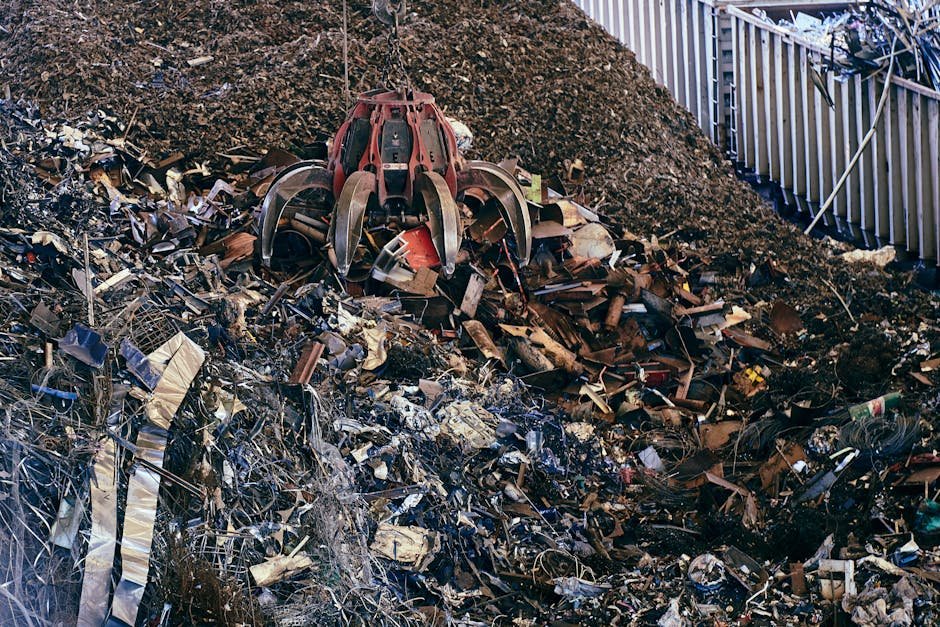

Pinjarra scrap metal plays a vital role in Australia’s recycling ecosystem, offering both economic and environmental benefits. This guide explores the different grades of scrap metal available in Pinjarra, the recycling process, and the sustainable advantages of reusing materials. Whether you’re a business owner, a DIY enthusiast, or a local resident, understanding these aspects can help you make informed decisions about your scrap metal needs.
The Importance of Pinjarra Scrap Metal
The Port of Pinjarra is a major hub for industrial activity in Western Australia, making it a key location for scrap metal trading. The region’s proximity to mining operations, manufacturing facilities, and shipping infrastructure ensures a steady supply of scrap materials. Pinjarra scrap metal is categorized into grades based on its composition, purity, and reusability. These grades dictate market value, recycling methods, and end-use applications.
Grades of Scrap Metal in Pinjarra
Scrap metal in Pinjarra is primarily divided into three categories: ferrous, non-ferrous, and mixed grades. Each type has unique properties and recycling requirements:
1. Ferrous Scrap
- Steel and Iron: The most common ferrous metals, used in construction, vehicles, and machinery. Magnetized during sorting due to their iron content.
- Cast Iron: Valuable for its high carbon content, often sourced from engine blocks and industrial parts.
2. Non-Ferrous Scrap
- Copper, Aluminum, and Brass: Non-magnetic and highly conductive, these metals are used in electrical wiring, HVAC systems, and plumbing.
- Stainless Steel: Resistant to corrosion, commonly found in kitchen appliances and industrial equipment.
3. Mixed Grades
Includes a combination of ferrous and non-ferrous materials, such as shredded vehicles or demolition waste. Sorting requires advanced machinery, and prices depend on the proportion of valuable metals.
Pro Tip: To maximize returns, separate non-ferrous metals from mixed grades before selling. Use a magnet to identify ferrous materials and manually sort high-value items like copper wiring.
How the Recycling Process Works
Recycling Pinjarra scrap metal involves a multi-stage process that ensures materials are repurposed efficiently:
- Collection: Scrap is gathered from demolition sites, manufacturing plants, and households. Local providers like Scrap Metal Recycling Near Me offer pickup services.
- Sorting and Shredding: Ferrous and non-ferrous metals are separated using magnets and eddy current separators. Shredding reduces volume and prepares materials for melting.
- Smelting and Refining: Metals are melted at high temperatures to remove impurities. This stage requires energy-intensive furnaces, but recycling uses 60-70% less energy than producing new metals.
- Reprocessing: Recycled metal is cast into ingots or sheets for reuse in manufacturing, construction, and consumer goods.
Environmental Benefits of Metal Recycling
Recycling Pinjarra scrap metal significantly reduces environmental impact compared to mining and refining raw materials:
- Resource Conservation: Recycling 1 ton of steel saves 2,500 pounds of iron ore, 1,400 pounds of coal, and 120 pounds of limestone.
- Energy Savings: Producing aluminum from recycled scrap uses 95% less energy than from bauxite ore.
- Landfill Reduction: In WA alone, 4.5 million tons of construction waste are generated annually. Recycling prevents hazardous materials like lead and mercury from contaminating soil and water.
For local residents, choosing Sell Scrap Metal Near Me In 2026 services ensures responsible disposal while supporting green initiatives.
Practical Tips for Selling Pinjarra Scrap Metal
Maximize your returns by following these expert strategies:
- Check Scrap Metal Prices Regularly: Prices fluctuate based on global demand and supply chains. Monitor trends for copper, steel, and aluminum to sell at peak values.
- Prepare Materials: Clean metal of dirt, oils, and contaminants. Remove non-metallic components like rubber and plastic to avoid downgrading your scrap.
- Use Local Providers: Pinjarra recycling centers like scrap metal oakdale and scrap metal nanango offer competitive rates and efficient pickup services.
Economic Impact of Pinjarra Scrap Metal
The scrap metal industry contributes $1.1 billion annually to WA’s economy, creating jobs in logistics, processing, and manufacturing. Local businesses benefit from:
- Raw Material Supply: Recycled metals provide cost-effective feedstock for steel mills and foundries.
- Export Opportunities: Australia exports over 2 million tons of scrap metal yearly, with Pinjarra serving as a key logistics node.
- Sustainable Growth: Recycling supports circular economy models, reducing reliance on finite resources.
The Future of Scrap Metal Recycling in Pinjarra
Technological advancements are transforming the industry. Innovations like AI-powered sorting systems and hydrogen-based smelting could reduce emissions by 80% by 2030. Local stakeholders are also prioritizing e-waste recycling to recover rare earth metals from discarded electronics.
For businesses looking to integrate sustainable practices, partnering with platforms like Scrap Trade offers streamlined solutions for tracking and selling scrap. For individual sellers, ScrapTrade.com.au provides tools to estimate scrap values and connect with nearby buyers.
Conclusion
Pinjarra scrap metal represents a sustainable and profitable industry that benefits the environment and local economy. By understanding metal grades, recycling processes, and market dynamics, you can contribute to a greener future while maximizing your returns. Whether you’re managing industrial waste or clearing out your garage, responsible recycling is an investment in both your community and the planet.
Frequently Asked Questions
What are the most valuable scrap metal grades in Pinjarra?
Non-ferrous metals like copper and aluminum command the highest prices due to their conductivity and reusability. Check Scrap Metal Prices for real-time market values.
How can I prepare scrap metal for recycling?
Remove contaminants like dirt and plastic, and separate ferrous and non-ferrous materials. Clean metals with water or degreaser to avoid downgrading.
Why is recycling scrap metal better than landfilling?
Recycling conserves natural resources, reduces energy consumption, and prevents toxic waste from leaking into ecosystems. It also reduces greenhouse gas emissions by 30% compared to mining.
Where can I sell scrap metal in Pinjarra?
Use services like Scrap Metal Recycling Near Me or Sell Scrap Metal Near Me In 2026 for reliable local options.