
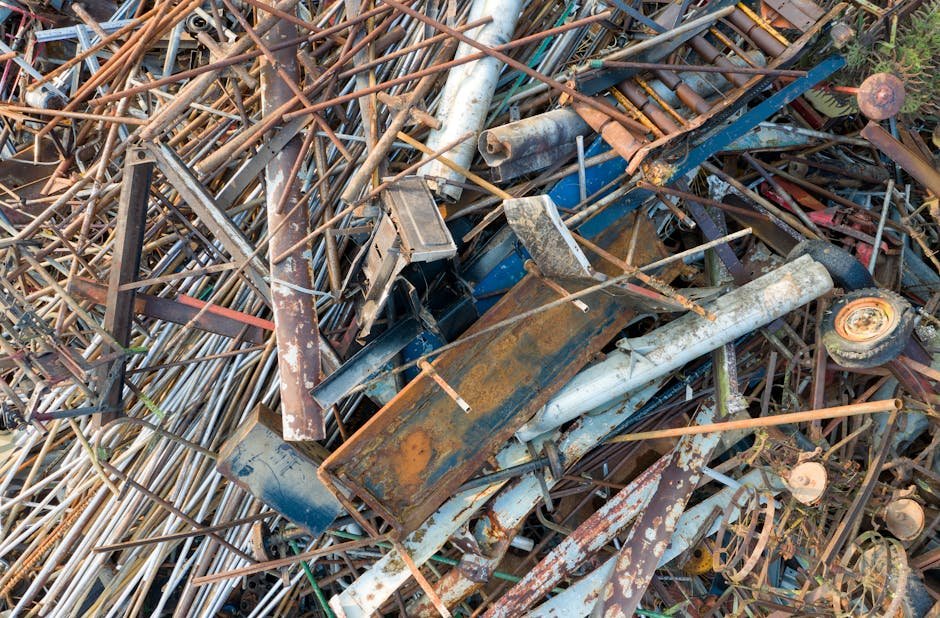

Navigating the world of scrap metal belgrave requires a blend of industry knowledge, local market awareness, and an understanding of commodity grading. Whether you are a trade professional clearing a worksite or a local resident looking to responsibly dispose of household metal waste, understanding the nuances of the recycling process is the first step toward environmental stewardship and financial gain. As the industry evolves, staying updated on the latest market trends is essential, which is why many savvy recyclers use resources like Scrap.Trade to track market fluctuations.
Understanding Metal Grades: Ferrous vs. Non-Ferrous
To succeed in the recycling market, one must first master the distinction between ferrous and non-ferrous metals. Ferrous metals contain iron and are generally magnetic. Common examples include steel, iron, and stainless steel. Because of their abundance, they are often recycled in high volumes, though they typically command lower prices per kilogram compared to their non-ferrous counterparts. If you are looking to Sell Scrap Metal Near Me In 2026, identifying your pile correctly is the most important step in ensuring you receive a fair quote.
Non-ferrous metals, on the other hand, do not contain iron and are non-magnetic. These include copper, aluminium, brass, lead, and zinc. These metals are highly valued because they do not lose their chemical properties during the recycling process, allowing them to be recycled infinitely. Copper, in particular, is a high-demand commodity due to its use in electrical wiring and plumbing. When you search for Scrap Metal Recycling Near Me, you will find that facilities prioritize these non-ferrous grades because they require less energy to process than extracting raw ore from the earth.
Beyond these two main categories, there are specific sub-grades that influence value. For example, ‘bright and shiny’ copper wire is worth significantly more than ‘burnt’ copper wire or copper with insulation attached. Similarly, clean aluminium extrusions are valued higher than aluminium cans or mixed scrap. Understanding these grades is critical for anyone involved in scrap metal belgrave operations, as it allows you to sort your materials effectively before heading to the yard.
The Scrap Metal Recycling Process: From Collection to Commodity
The journey of a piece of scrap metal begins long before it reaches a processing facility. It starts with collection, where metals are diverted from landfills and gathered at local hubs. Once the material reaches a facility, the sorting process begins. Advanced technology, including magnetic separators, eddy current separators, and X-ray fluorescence (XRF) scanners, is used to identify the exact chemical composition of the metal.
Once sorted, the metal is processed. This often involves shredding or shearing the metal into smaller, uniform pieces, which makes it easier to transport and melt. The shredded metal is then cleaned to remove impurities like paint, plastic, or dirt. Finally, the material is melted down in furnaces to create ingots or billets, which are then sold to manufacturers to create everything from new car parts to structural beams for buildings. This circular economy is what makes the Australian scrap trade network so vital to modern manufacturing.
For those located in regional areas, the logistical challenges of recycling can be unique. While we focus on scrap metal belgrave, it is worth noting that the industry operates as a national network. Whether you are dealing with wangaratta scrap metal or managing logistics for pinjarra scrap metal, the core principles of sorting, cleaning, and volume management remain the same. By keeping your scrap clean and free of contaminants, you ensure the highest possible recovery rates for the facility.
Environmental Benefits and Sustainability
Recycling scrap metal is one of the most effective ways to reduce our collective carbon footprint. The process of mining and refining virgin ore is incredibly energy-intensive and environmentally destructive. It requires massive amounts of water, electricity, and land clearing, often resulting in significant greenhouse gas emissions. By contrast, recycling metal uses a fraction of the energy required for primary production.
For instance, recycling aluminium saves approximately 95% of the energy required to produce the same amount of aluminium from bauxite ore. This energy savings translates directly into lower carbon emissions. Furthermore, recycling reduces the need for landfill space, preventing heavy metals from leaching into the soil and groundwater. As Belgrave continues to prioritize sustainability, the role of scrap metal recycling becomes increasingly central to local waste management strategies.
Moreover, the circularity of metal means that we are preserving natural resources for future generations. Metals like copper and steel are finite resources. By continuously recycling what we have already mined, we reduce the pressure to open new mines, thereby protecting biodiversity and ecosystems. When you choose to recycle your scrap, you are actively participating in a global supply chain that values resource efficiency over consumption.
Maximizing Your Returns: Tips for Sellers
If you want to get the best price for your scrap, preparation is key. First, always sort your metals by type. Mixing copper with steel will often result in the entire load being downgraded to ‘mixed scrap’ prices. Keep your non-ferrous metals separate from your ferrous metals. If you have a large quantity, contact your local yard ahead of time to discuss current market conditions and to see if they offer collection services for bulk loads.
Second, clean your scrap. Remove plastic insulation from copper wires, take off steel attachments from aluminium parts, and ensure your metal is free of oil, grease, or dirt. A clean load is a high-value load. Third, keep an eye on Scrap Metal Prices. The market is volatile and influenced by global supply and demand, currency fluctuations, and manufacturing output. By tracking these prices, you can choose the optimal time to sell your accumulated scrap.
Finally, build a relationship with your local scrap yard. Reliable, honest scrap traders value repeat customers who bring in well-sorted, clean material. They are often willing to offer better advice, faster service, and more competitive pricing to those who take the time to learn the trade. Whether you are a DIY enthusiast or a professional contractor, treating scrap metal as a commodity rather than waste is the secret to success.
The Future of Metal Recycling in Australia
The Australian scrap metal industry is currently undergoing a digital transformation. With the rise of online trading platforms and real-time pricing data, the market is becoming more transparent and accessible. We are seeing a shift toward more sophisticated processing techniques, including the use of artificial intelligence to improve sorting accuracy and decrease contamination rates.
Furthermore, government regulations regarding waste management are becoming stricter, encouraging businesses and households to divert more metal from landfills. This regulatory environment, combined with increasing demand for sustainable manufacturing materials, suggests a bright future for the industry. As we look toward 2026 and beyond, the integration of technology into the scrap trade will continue to streamline operations and increase the overall efficiency of the recycling loop.
For those in Belgrave, this means better access to recycling services and potentially more competitive pricing as the market matures. Staying informed about these trends and utilizing digital tools to track your inventory and market value will be the hallmark of the successful recycler. The industry is no longer just about the physical handling of metal; it is about data, logistics, and environmental impact.
Safety and Compliance: A Professional Approach
Safety should never be compromised when handling scrap metal. Metal edges can be razor-sharp, and heavy loads can cause serious injury if not handled with proper equipment. Always wear appropriate personal protective equipment (PPE), including heavy-duty gloves, safety boots, and eye protection. If you are dismantling large structures or machinery, ensure you have the proper training and tools to do so safely.
Compliance is equally important. Many scrap yards are required to follow strict environmental and safety regulations, including the proper handling of hazardous materials. For example, some scrap may contain residual fluids like oil or coolant, which must be drained and disposed of according to environmental laws. Never attempt to scrap items that contain hazardous substances, such as sealed containers of chemicals or radioactive materials.
By adhering to these safety and compliance standards, you not only protect yourself but also ensure that the recycling facility can operate legally and efficiently. Responsible recycling is a community effort that relies on the cooperation of individuals, businesses, and local government. When everyone plays their part, we can build a stronger, more sustainable economy that benefits everyone in Belgrave and beyond.
Frequently Asked Questions
What is the best way to sort my scrap metal for a better price?
The best way to maximize your return is to separate your metals into distinct categories: ferrous (magnetic) and non-ferrous (non-magnetic). Within those categories, further sort by material type, such as copper, aluminium, brass, and stainless steel, and ensure the material is clean of contaminants like plastic or rubber.
How often do scrap metal prices change?
Scrap metal prices are highly volatile and can fluctuate daily or weekly based on global market demand, the Australian dollar’s performance, and industrial manufacturing needs. It is recommended to check current market trends frequently before selling your batch.
Can I recycle items that have plastic or rubber attached?
While some facilities may accept items with attachments, you will almost always receive a lower price because the processor must spend time and energy removing those contaminants. For the best value, remove all non-metal components before bringing your scrap to the yard.
Why is recycling scrap metal better for the environment than mining new ore?
Recycling scrap metal consumes significantly less energy than mining, transporting, and refining virgin ore. It also preserves natural resources, reduces landfill waste, and minimizes the greenhouse gas emissions associated with primary metal production.