
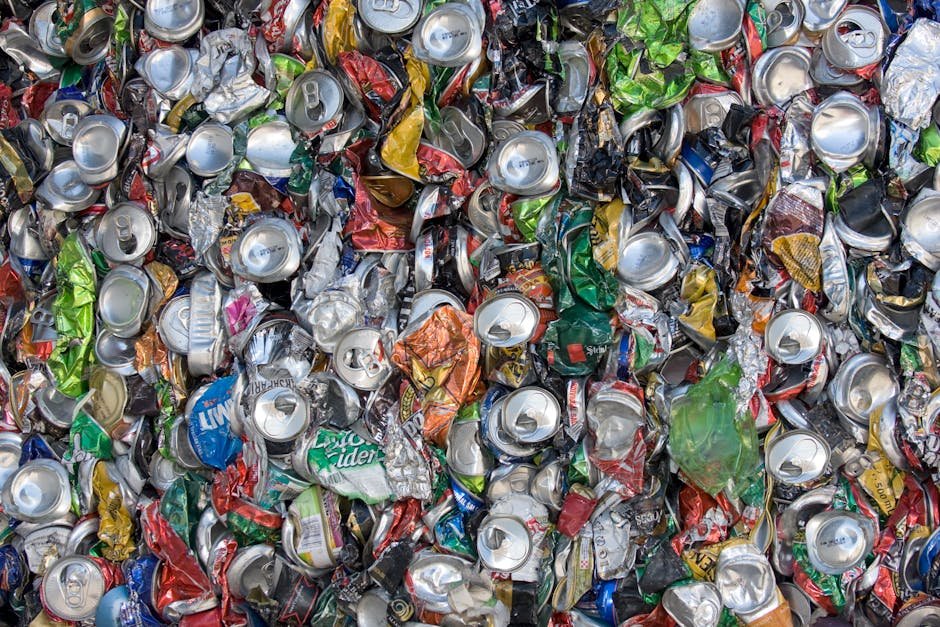

Understanding where to sell scrap cans is the first step toward turning your household or industrial waste into a profitable revenue stream. In Australia, the recycling landscape has evolved significantly, shifting from simple waste management to a sophisticated circular economy. Whether you are a homeowner clearing out a garage or a business manager handling industrial volumes, knowing how to identify, sort, and market your scrap metal is essential to maximizing your returns. When you are ready to move your inventory, you can Sell Scrap through our streamlined platform to connect with reputable buyers.
The Economics of Scrap Cans: How to Get the Best Price
Achieving the best price for your scrap cans requires more than just showing up at a yard. The scrap metal market is a commodity market, meaning prices fluctuate daily based on the London Metal Exchange (LME), currency exchange rates, and local demand. To consistently get paid top dollar, you must understand the difference between high-value aluminium and lower-value ferrous metals.
First, cleanliness is paramount. A scrap dealer will always pay more for ‘clean’ material. This means removing contaminants such as plastic labels, food residue, or steel attachments. If you are looking for local options, you might search for Sell Scrap Metal Near Me In 2026 to find facilities that utilize modern weighing technology, ensuring you are paid accurately for every kilogram. Furthermore, volume matters. While a single bag of cans might net you a small return, consistent, large-scale deliveries allow you to negotiate better rates with your local scrap dealer.
It is also vital to understand the difference between beverage cans and other metal types. Aluminium cans (UBC – Used Beverage Cans) are highly sought after because they can be recycled infinitely without loss of quality. In contrast, steel cans (often food tins) are magnetic and carry a different market value. Always keep these separated to avoid being paid the lower ‘mixed scrap’ rate. By maintaining high standards of sorting, you position yourself as a professional supplier rather than an occasional recycler.
Understanding Metal Grades and Identification
Identifying the material is the cornerstone of the scrap business. If you are asking where to sell scrap cans, you are likely dealing primarily with aluminium, but you should also be aware of other materials you might encounter in a scrap yard. Our comprehensive guide at Scrap Trade offers deep insights into market trends and material identification.
Aluminium is categorized by its alloy composition. Beverage cans are typically made from 3000-series aluminium, which is designed for draw-and-iron forming. Because this alloy is consistent, it is highly valuable to smelters. You can perform a simple ‘magnet test’ to verify your material: if a magnet sticks to the can, it is steel (ferrous); if it does not, it is likely aluminium (non-ferrous). Knowing this difference prevents you from wasting time or mispricing your load.
Beyond cans, you may find other recyclables on your property. For instance, if you are clearing out an industrial site, you might need to sell carbide scrap or manage various alloys that require specialized handling. Similarly, construction waste often includes PVC piping; knowing how to sell pvc scrap can significantly boost your total payout. Always consult with your buyer about the specific grades they accept, as some yards specialize in specific metals while others are generalists.
The Legal and Regulatory Framework in Australia
Selling scrap metal is a regulated activity in Australia to prevent the trade of stolen goods. When you arrive at a facility, expect to provide valid identification. This is not just a company policy; it is a legal requirement under various state-based scrap metal dealer acts. You must be prepared to provide a driver’s license or passport and, in some cases, proof of address.
If you are involved in more complex recycling, such as automotive or industrial batteries, the requirements become even more stringent. You should familiarize yourself with the protocols for how to How To Sell Battery Scrap Legally to ensure you remain compliant with environmental and safety regulations. These laws are designed to track the movement of hazardous materials and ensure they are processed in facilities that prevent lead or acid leakage.
For businesses, maintaining a paper trail is essential. You should keep records of all transactions, including the weight, the date, the material type, and the buyer’s details. This transparency not only helps with tax reporting but also verifies that your business is adhering to the circular economy principles that are increasingly important in Australian corporate social responsibility mandates.
How the Recycling Process Works
Once you have decided where to sell scrap cans and completed your transaction, the journey of that metal is just beginning. The recycling process is a marvel of industrial efficiency. First, the scrap is weighed and inspected for non-metallic contaminants. It is then shredded into small pieces to increase surface area and allow for the removal of impurities like paint or plastic coatings through air classification and magnetic separation.
The shredded aluminium is then melted in massive furnaces. Because aluminium has a relatively low melting point compared to steel, this process is highly energy-efficient. In fact, recycling an aluminium can saves about 95% of the energy required to produce a new can from raw bauxite ore. This massive energy saving is why the industry is so eager to purchase your scrap; it is cheaper to process recycled metal than to mine, transport, and refine virgin material.
After melting, the metal is cast into large ingots, which are then rolled into thin sheets and sent to can manufacturers. This cycle can happen indefinitely. A can you recycle today could be back on the shelf as a new beverage container in as little as 60 days. This closed-loop system is the gold standard of environmental sustainability.
Environmental Benefits and the Circular Economy
The environmental impact of recycling scrap metal cannot be overstated. By participating in the scrap trade, you are directly contributing to the reduction of greenhouse gas emissions. Mining is an incredibly carbon-intensive industry, involving heavy machinery, land clearing, and the disruption of ecosystems. By providing a steady supply of recycled metal, you reduce the demand for new mining operations.
Furthermore, recycling reduces the amount of waste sent to landfills. While metal is durable, it does not belong in a landfill where it takes up valuable space and can leach chemicals into the soil. In Australia, the Container Deposit Scheme (CDS) has been a game-changer, providing a financial incentive for individuals to return their cans rather than binning them. This has led to significantly higher recovery rates and cleaner urban environments.
For those interested in the broader scope of the industry, visiting Scrap Trade Australia provides a wealth of information on how the national recycling infrastructure is scaling to meet 2030 sustainability targets. Every kilogram of metal you divert from the bin is a victory for the environment and a step toward a more sustainable future.
Practical Tips for Maximizing Your Scrap Yield
If you want to turn scrap collection into a reliable side income, you need to treat it like a business. Start by setting up a dedicated sorting area. Use bins or crates to keep different materials separated at the source. Mixing your aluminium with steel or plastic will result in a lower price at the yard, as the buyer will have to spend time and labor separating it. If you have a large volume, consider a small investment in a manual or hydraulic baler to compress your cans; this makes storage and transport much easier.
Safety is another critical factor. Always wear gloves when handling scrap to protect yourself from sharp edges. If you are handling large volumes, invest in steel-toed boots. Avoid burning any material to remove plastic or insulation, as this is illegal in most Australian jurisdictions and releases toxic fumes into the atmosphere. Professional scrap yards have the equipment to strip wires and clean metals safely and legally.
Finally, build a relationship with your local yard. If you are a consistent, honest, and organized supplier, the yard manager is more likely to give you a fair price and alert you to market shifts. Ask them about their specific requirements for ‘prepared’ versus ‘unprepared’ loads. Sometimes, spending an extra hour cleaning your material can increase your payout by a significant percentage.
Common Pitfalls to Avoid
One of the most common mistakes beginners make is failing to account for transport costs. If you are driving a long distance to sell a small amount of scrap, the fuel costs might outweigh your profit. Always calculate your net return before heading out. If you have a significant amount of material, some yards may offer pickup services, though this usually comes with a fee or a minimum weight requirement.
Another pitfall is assuming all scrap is created equal. Do not mix different types of aluminium alloys if you can avoid it. For example, cast aluminium (like engine blocks) is priced differently than wrought aluminium (like cans or window frames). Keeping these grades separate is the difference between a standard price and a premium price.
Lastly, be wary of ‘too good to be true’ offers. If a buyer is offering prices significantly higher than the market average, they may be cutting corners on safety, environmental compliance, or weighing accuracy. Always stick to reputable, licensed dealers. Check their credentials and ensure they have a physical location that you can visit. A legitimate scrap dealer will be transparent about their pricing structure and happy to explain how they grade your material.
Future Trends in the Australian Scrap Industry
As we look toward 2030 and beyond, the scrap metal industry is becoming more digitized. We are seeing the rise of mobile apps that provide real-time pricing and allow users to book pickups. The integration of blockchain technology is also being explored to track the ‘chain of custody’ for recycled materials, ensuring that the metal used in new products is ethically and sustainably sourced.
The push for a circular economy is also driving innovation in material recovery. New technologies are being developed to separate complex alloys that were previously considered ‘unrecyclable.’ This will continue to increase the value of scrap metal and make the industry an even more vital part of the Australian economy. By staying informed and engaged, you are not just selling waste; you are participating in a high-tech, essential industry that powers modern manufacturing.
In conclusion, the question of where to sell scrap cans is an invitation to participate in a vital environmental and economic cycle. By focusing on proper sorting, maintaining legal compliance, and building relationships with reputable dealers, you can ensure that you get the best price for your efforts. Whether you are a hobbyist or a professional, the scrap trade offers a rewarding way to contribute to a greener Australia. Start by organizing your collection today, and remember that every can counts toward a more sustainable future.
Frequently Asked Questions
How do I know if my cans are aluminium or steel?
Use a magnet. If the magnet sticks to the can, it is steel (ferrous); if the magnet does not stick, it is aluminium (non-ferrous).
Do I need to clean my scrap cans before selling them?
Yes, cleaning your cans of food residue, plastic labels, and dirt will ensure you receive the best price. Most scrap dealers will downgrade dirty loads, which significantly reduces your payout.
What documents do I need to bring to a scrap yard?
You must bring a valid government-issued photo ID, such as a driver’s license or passport. Some yards may also require proof of residency depending on state regulations.
Are there environmental benefits to recycling scrap cans?
Yes, recycling aluminium saves approximately 95% of the energy required to produce new metal from raw bauxite ore. It also reduces landfill waste and the need for environmentally damaging mining operations.