

Why You Should Sell Scrap Catalytic Converter Units Today
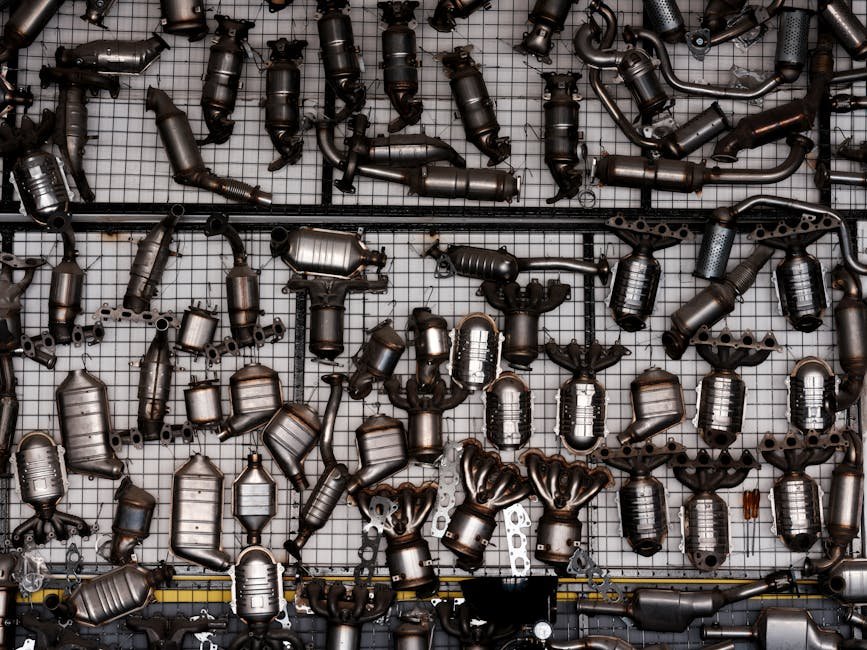
If you are looking to sell scrap catalytic converter components, you are sitting on a potential goldmine. Catalytic converters are essential vehicle parts designed to reduce harmful emissions, but for the scrap industry, their value lies in the precious group metals (PGMs) they contain. Platinum, palladium, and rhodium are found inside the ceramic honeycomb of these units, and their market prices often exceed that of gold. When you decide to Sell My Catalytic Converter, you are participating in a sophisticated recycling ecosystem that recovers these rare materials for reuse in new industrial applications.
The decision to sell scrap catalytic converter inventory isn’t just a financial one; it is also an environmentally responsible choice. Recycling these units reduces the need for destructive mining practices. At Scrap Trade, we facilitate the connection between sellers and professional recyclers to ensure you get a fair market price based on current PGM spot prices. Whether you are a mechanic with a pile of old exhausts or a car owner with a single unit, understanding the market is the first step to a successful transaction.
How to Identify the Value of Your Converter
Not all converters are created equal. The value of your scrap depends heavily on the make, model, and the specific serial number etched onto the casing. To get an accurate estimate before you Sell Scrap, you should look for these identifying marks. Many professional sellers utilize the Ecotrade Catalytic Converter database, which provides real-time pricing data based on the internal composition of specific part numbers. This transparency ensures that you aren’t leaving money on the table when dealing with scrap yards.
If you are new to the process, we highly recommend reading our Catalytic Converter Sell for Scrap: Complete Guide. This resource breaks down the differences between original equipment manufacturer (OEM) units and aftermarket replacements, the latter of which typically contain significantly fewer precious metals and thus command lower prices. Knowing exactly what you have is the best way to ensure you receive a competitive offer.
Finding the Best Buyers in Australia
When you are ready to sell scrap catalytic converter units, finding a reputable buyer is paramount. You want a partner who offers transparent weighing, fair grading, and immediate payment. For those searching for local options, our Sell My Catalytic Converter Near Me: Ultimate Guide offers a roadmap to finding trusted recycling centers across Australia. By using a platform like scraptrade.com.au, you can compare offers and ensure you are dealing with licensed professionals who follow Australian environmental and trade regulations.
Remember to keep the honeycomb material intact inside the metal shell. Removing the “guts” of the converter often leads to a lower valuation because it becomes harder for the buyer to verify the PGM content without expensive assay testing. Keep your units whole, record the serial numbers, and use the tools available at Scrap Trade to maximize your return. Selling your scrap metal has never been easier or more profitable when you have the right information at your fingertips.
Frequently Asked Questions
What determines the price when I sell scrap catalytic converter units?
The price is determined by the concentration of platinum, palladium, and rhodium inside the unit, which varies by vehicle make and model, as well as the current global market spot prices for these metals.
Do I need to provide identification to sell my scrap?
Yes, in Australia, scrap metal buyers are required by law to verify the identity of the seller to prevent the trade of stolen goods. You will typically need to provide a valid driver’s license or photo ID.
Why are aftermarket catalytic converters worth less than OEM units?
Aftermarket converters are designed to be budget-friendly replacements and generally contain significantly lower amounts of precious metals compared to the original factory-installed (OEM) units.
How can I find the serial number on my converter?
Serial numbers are usually stamped directly onto the metal casing of the unit. You may need to use a wire brush to clear away rust or debris to see the alphanumeric code clearly.