
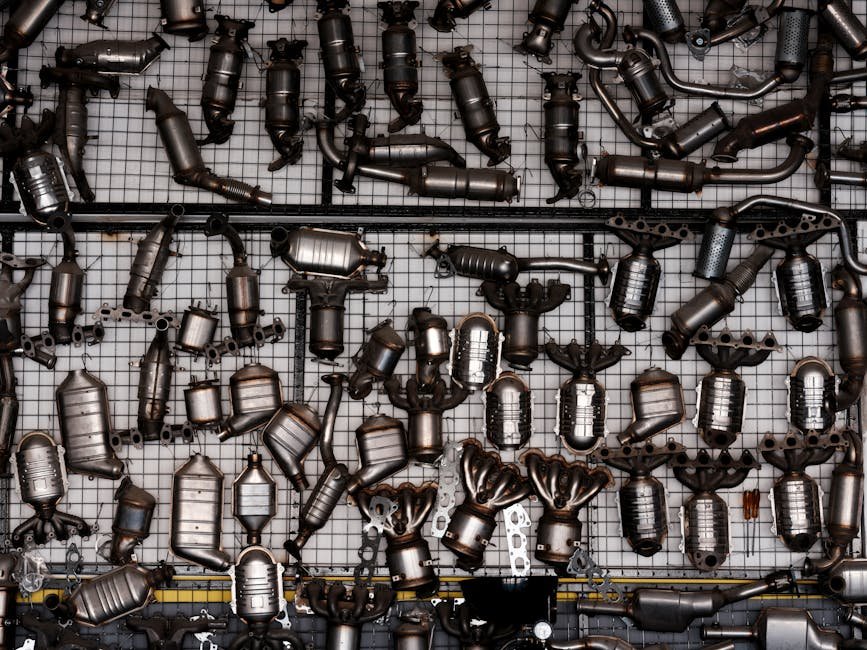

When you are selling a catalytic converter, you are dealing with one of the most valuable components of an end-of-life vehicle. These units contain precious metals like platinum, palladium, and rhodium, making them a high-priority item for recycling. Whether you are an automotive workshop clearing out inventory or an individual looking to dispose of a replaced part, understanding the market is essential. For those wondering where to start, our scrap metal trading platform provides the transparency you need to navigate this industry. If you are ready to move forward, you can Sell My Catalytic Converter through our secure portal to ensure you receive a fair market valuation.
Understanding the Value of Your Catalytic Converter
The global demand for precious metals drives the price of scrap converters. Because these metals are finite and difficult to mine, recycling them is a critical part of the circular economy. Before you begin selling a catalytic converter, you must understand that not all units are created equal. The concentration of rhodium, in particular, can cause massive fluctuations in value. To get the best price, you need to look at the serial number stamped on the metal casing. This identifier allows buyers to cross-reference the unit against global databases to determine its exact composition. Many sellers make the mistake of accepting a flat rate from a local scrap dealer without verifying the serial number. Don’t fall into this trap. Instead, refer to our guide on Selling Catalytic Converters How To Maximize Your Profit Safely to learn how to identify your specific model correctly.
Where to Sell and Finding a Reputable Dealer
Finding a reliable buyer is the most important step in the process. When researching where to sell, prioritize businesses that are fully licensed and comply with Australian environmental and trade regulations. A legitimate Australian scrap metal recycling expert will always ask for identification and proof of ownership, as this is a legal requirement to combat the trade of stolen goods. Avoid ‘cash for scrap’ operations that operate out of the back of vans or lack a physical, registered address. These entities rarely offer the best price and often engage in predatory pricing. For a professional evaluation, check out the Ecotrade Catalytic Converter database, which is a gold standard for pricing accuracy. You can also consult our resource on Sell My Catalytic Converter Near Me: Ultimate Guide to find vetted partners in your region.
Maximizing Your Profit: Tips for Sellers
To ensure you get the best price, you must treat your catalytic converter as a high-value asset rather than just ‘scrap metal.’ Clean the unit of excessive rust or debris, but do not attempt to open it or remove the internal honeycomb structure, as this will destroy its value. The precious metals are contained within the ceramic substrate, and any damage to this component will significantly lower the offer you receive. When you are selling a catalytic converter, timing is everything. Keep an eye on global precious metal indices. When the price of rhodium or palladium spikes, the scrap value of your converter follows suit. For a deeper dive into the logistics and valuation metrics, read A Comprehensive Guide to Selling Used Catalytic Converter Units. By being informed about the current commodity market, you empower yourself to negotiate from a position of strength.
Legal Requirements and Documentation
In Australia, the scrap metal industry is strictly regulated to prevent the sale of stolen automotive parts. When you arrive at a scrap yard, you must be prepared to provide a valid government-issued photo ID, such as a driver’s license or passport. Furthermore, some states require you to provide proof of vehicle ownership or a receipt showing that the part was legally removed from a vehicle. Keeping these documents organized not only protects you legally but also speeds up the transaction process. Reputable buyers will keep meticulous records of all purchases, which is a sign of a trustworthy business. If a buyer does not ask for identification, walk away immediately. Engaging with unlicensed dealers can lead to legal complications and ensures you will likely receive a significantly lower payout than the market rate.
The Logistics of Transporting and Selling
Once you have identified a buyer, the logistics of transport become the next hurdle. Catalytic converters are heavy and can contain hazardous residues, so they should be transported in sturdy, leak-proof containers. If you are selling in bulk, consider palletizing the units to prevent damage during transit. Many professional scrap dealers offer pickup services for large quantities, which can save you time and fuel costs. When negotiating the ‘cash for scrap’ deal, always confirm whether the quoted price includes GST and if there are any processing fees. Transparency is the hallmark of a good dealer. Always get a written quote or a digital confirmation of the price per unit before handing over your items. This prevents ‘bait and switch’ tactics where the final payment is lower than the initial estimate.
Why Professional Platforms Outperform Local Dealers
While local scrap yards are convenient, they often lack the specialized knowledge required to grade catalytic converters accurately. A local dealer might offer a generic price based on size or weight, whereas a specialized platform uses advanced scanning technology to measure the exact metal content. By using an online trading platform, you gain access to a wider network of buyers who compete for your product, naturally driving up the price. This competitive environment ensures that you receive the true market value based on current commodity prices. Furthermore, these platforms provide educational resources and support, ensuring that you are not just selling a part, but learning how to optimize your inventory for future sales. This shift from simple scrap collection to strategic asset management is what separates successful sellers from those who leave money on the table.
Conclusion: Your Path to Profit
Selling a catalytic converter doesn’t have to be a confusing or risky endeavor. By following the steps outlined in this guide—identifying your unit, verifying the buyer, and staying informed on market trends—you can turn an old car part into a significant financial return. Remember, the value is in the chemistry, not just the metal casing. Always prioritize safety, legal compliance, and market research. As you continue to participate in the scrap metal market, keep our resources bookmarked to ensure you always have access to the latest pricing data and industry best practices. With the right approach, you can consistently maximize your profits and contribute to a more sustainable automotive industry.
Frequently Asked Questions
How do I determine the value of my catalytic converter?
The value is primarily determined by the precious metal content, which is identified by the serial number stamped on the unit. You can use professional pricing databases or consult with a reputable scrap buyer who uses scanning technology to verify the contents.
Do I need to clean the catalytic converter before selling it?
You should remove excess dirt and debris from the exterior, but you must never open the casing or remove the internal ceramic honeycomb. Damaging the internal substrate will destroy the value of the unit.
Why is it important to provide ID when selling scrap metal?
Providing identification is a legal requirement in Australia to prevent the sale of stolen vehicle parts. Reputable dealers will always request ID to ensure the transaction is legitimate and compliant with local laws.
Can I get a better price by selling online?
Yes, online trading platforms often connect you with a wider network of buyers who compete for your product. This competitive bidding process typically results in a higher payout compared to local scrap yards that may use flat-rate pricing.