
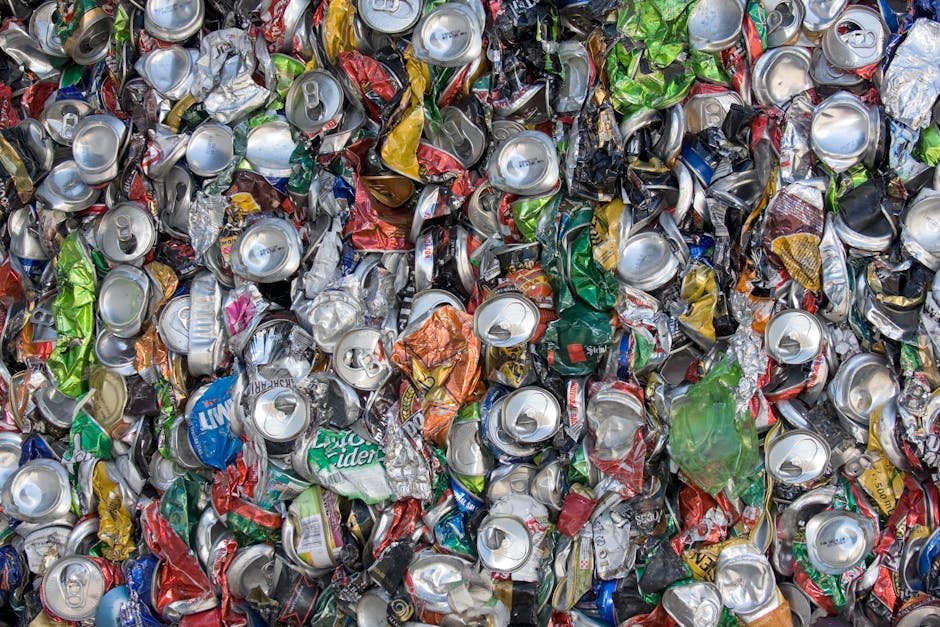

For residents and businesses in Western Sydney, aluminium recycling Penrith is more than just an environmental responsibility; it is a smart financial strategy. Aluminium is one of the most valuable and infinitely recyclable materials on the planet, maintaining its structural integrity through countless life cycles. Whether you are a homeowner clearing out a garage or a trade professional managing construction waste, understanding how to navigate the local scrap market is essential. When you engage in proper Aluminium Scrap Recycling: Process, Grades & Benefits in the local region, you contribute to a circular economy that reduces the need for energy-intensive primary aluminium production.
The Economic and Environmental Impact of Aluminium Recycling in Penrith
The decision to recycle aluminium in Penrith has profound implications. Producing new aluminium from bauxite ore is an incredibly energy-intensive process involving massive carbon emissions. Conversely, recycling existing aluminium scrap requires only 5% of the energy needed for primary production. This efficiency makes aluminium the gold standard of the recycling industry. When you search for Metal Recycling Near Me, you are taking the first step in reducing landfill waste and preserving natural resources. In Penrith, the industrial growth of the region means there is a constant supply of high-grade aluminium that, if managed correctly, provides a steady income stream for those willing to sort and transport it.
Understanding Aluminium Scrap Grades and Market Pricing
To get the best aluminium price, you must understand how scrap yards grade your materials. Not all aluminium is created equal, and mixing grades can significantly lower your payout. The most common categories include:
- Aluminium Extrusion: Typically found in window frames, door frames, and shower screens. This is high-quality, clean aluminium that commands a premium price.
- Aluminium Cans: Often referred to as UBC (Used Beverage Cans). While lightweight, large volumes can be quite profitable.
- Cast Aluminium: Found in engine parts, car wheels, and outdoor furniture. This is heavier and denser than extrusion.
- Aluminium Sheets and Offcuts: Common in roofing and industrial fabrication.
By visiting Core Metal Recycling, you can learn how to segregate these materials effectively. Keeping your extrusions separate from cast aluminium or painted alloys is the fastest way to increase your profit margin. Always check the current scrap metal market trends to ensure you are selling when the market is favourable.
Best Practices for Preparing Your Aluminium Scrap
Preparation is the secret to success in aluminium recycling Penrith. Scrap yards value clean, sorted material because it requires less processing before it can be melted down. If you bring in contaminated scrap, such as aluminium frames with plastic thermal breaks, glass, or steel screws attached, the yard will either downgrade the price or reject the load entirely. Before heading to a facility, take the time to remove non-metallic attachments. If you are looking for Scrap Metal Recycling Near Me, ensure you have your materials sorted into bins or bags. This not only speeds up the weighing process but also demonstrates professionalism, which can lead to better long-term relationships with yard managers.
The Role of Aluminium Extrusion in Local Industry
Penrith’s construction sector generates a massive amount of aluminium extrusion. Window and door manufacturers often produce offcuts that are too small for production but perfect for recycling. Because extrusion is a high-purity alloy, it is highly sought after by smelters. Businesses that implement a dedicated scrap collection program can turn a waste management cost into a revenue-generating asset. By partnering with a reputable scrap trading platform, you can track market fluctuations and schedule collections, ensuring that your scrap metal is handled with maximum efficiency and environmental oversight.
Safety and Logistics: Transporting Your Scrap
Transporting large volumes of aluminium requires careful planning. Aluminium is lightweight but can be bulky. Ensure your vehicle is rated for the load and that all scrap is properly secured. Safety is paramount when handling scrap metal, as sharp edges on extrusions and sheets can cause serious injury. Always wear heavy-duty gloves and protective footwear when loading and unloading. If you have significant quantities, consider renting a trailer or working with a collection service. The goal is to minimize your transport costs so that the profit from the scrap remains in your pocket.
Future-Proofing Your Recycling Habits
As sustainability regulations tighten in Australia, the demand for recycled aluminium will only increase. By establishing a routine for your aluminium recycling, you are positioning yourself ahead of the curve. Whether you are dealing with everyday aluminium cans or industrial-scale aluminium scrap, the principles remain the same: sort, clean, and sell at the right time. The local Penrith recycling ecosystem is robust, and by engaging with trusted local buyers, you ensure that your contribution to the circular economy is both impactful and profitable. Stay informed about local council initiatives and regional scrap metal updates to maximize your long-term returns.
Frequently Asked Questions
What is the best way to identify aluminium extrusion?
Aluminium extrusion is typically found in window and door frames and often has a uniform, channel-like shape. It is usually free of steel screws or plastic thermal breaks, making it a high-value, clean grade of scrap.
Does the price of aluminium change frequently?
Yes, aluminium prices are tied to global commodity markets and can fluctuate based on supply, demand, and currency exchange rates. It is recommended to check current market rates before selling large quantities.
Can I recycle aluminium cans with other scrap?
It is best to keep aluminium cans separate from other aluminium scrap like extrusions or cast parts. Most yards have specific bins for beverage cans because they are a different alloy grade and have a different processing requirement.
Why is it important to remove contaminants from my scrap?
Removing contaminants like steel screws, glass, or plastic ensures your scrap is classified as ‘clean,’ which fetches a higher price. Contaminated loads are often downgraded to ‘dirty’ or ‘mixed’ prices, significantly reducing your profit.