
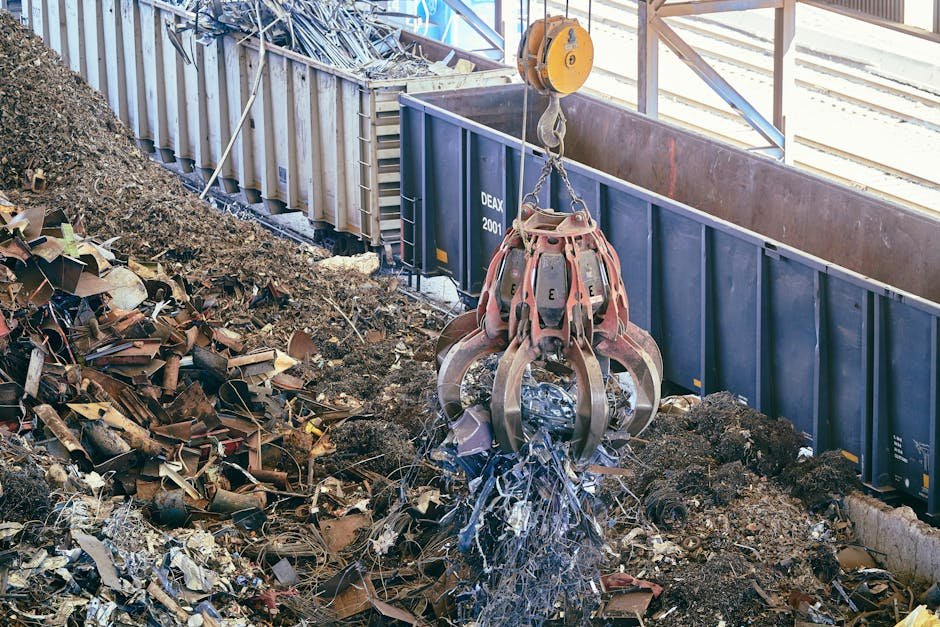

As a professional industrial scrap dealer, our mission is to streamline the complex lifecycle of metal waste for Australian businesses. Managing industrial waste effectively is not just an environmental obligation; it is a critical component of operational efficiency and revenue recovery. Whether you are dealing with demolition debris, manufacturing offcuts, or decommissioned machinery, understanding the nuances of metal grades and the recycling value chain is essential for any facility manager or procurement officer.
The Role of an Industrial Scrap Dealer in the Circular Economy
In the modern manufacturing landscape, the role of an industrial scrap dealer has evolved from simple waste collection to a sophisticated logistics and material management service. Companies today are under increasing pressure to adopt sustainable practices, and partnering with an expert dealer ensures that metal waste is diverted from landfills and reintegrated into the production cycle. By leveraging an Industrial Scrap Procurement Strategy Guide, businesses can optimize their waste streams, ensuring that ferrous and non-ferrous metals are sorted, processed, and sold at peak market value.
A professional dealer provides the infrastructure—such as roll-on/roll-off bins, specialized transport, and on-site weighing systems—to manage high volumes of scrap safely. This partnership allows businesses to focus on their core production while the dealer handles the regulatory compliance, environmental documentation, and hazardous material handling that often accompanies large-scale industrial demolition or manufacturing processes.
Understanding Metal Grades and Market Valuation
The profitability of your scrap program depends entirely on accurate classification. Metals are broadly categorized into ferrous (iron-based) and non-ferrous (copper, aluminum, brass, etc.). Within these categories, specific grades dictate the price per tonne. For instance, in the aluminum sector, understanding the difference between extrusion, cast, and sheet is vital. Our Aluminium Scrap Dealer Australia: Grades, Recycling, & resource provides a comprehensive breakdown of how these grades influence your bottom line.
Non-ferrous metals, particularly copper and high-grade alloys, carry significant value. When dealing with electrical infrastructure, it is crucial to follow an Industrial Cable Scrap Export Guide to ensure that stripping, cleaning, and sorting are performed to international standards. Failure to grade correctly can lead to significant revenue loss, as mixed loads are often valued at the lowest common denominator price. As your chosen industrial scrap dealer, we prioritize meticulous sorting to ensure you receive the highest market rate for your material.
The Industrial Recycling Process: From Site to Smelter
The journey of industrial scrap begins long before it reaches a furnace. It starts with site segregation. Implementing a color-coded bin system at your facility is the first step in maintaining high-purity scrap streams. Once collected, the scrap is transported to a processing facility where it undergoes several stages of refinement:
- Sorting: Utilizing advanced technology such as X-ray fluorescence (XRF) analyzers and magnetic separation to distinguish between alloys.
- Processing: Shredding, shearing, or baling the metal to reduce volume and increase density, which lowers transportation costs.
- Melting: The refined scrap is sent to smelters where it is melted down into ingots or billets, effectively becoming ‘green’ raw material for new manufacturing.
By engaging with a reputable scrap trading platform, businesses can track the movement of their materials, ensuring transparency throughout the recycling cycle. This is particularly important for companies aiming for ISO 14001 certification or other environmental sustainability benchmarks.
Environmental Benefits and Sustainability Goals
Recycling industrial metal is one of the most effective ways to lower a company’s carbon footprint. The energy required to produce aluminum from recycled scrap is approximately 95% less than producing it from virgin bauxite ore. Similarly, recycling copper and steel significantly reduces the need for destructive mining practices and lowers greenhouse gas emissions associated with primary metal production.
An industrial scrap dealer acts as the bridge between industrial waste and sustainable manufacturing. By keeping metals in circulation, we reduce the total energy demand of the global supply chain. For Australian businesses, this is a powerful narrative to include in ESG (Environmental, Social, and Governance) reporting. When you choose to recycle, you are not just clearing your yard; you are actively contributing to a lower-carbon future.
Global Market Dynamics and Export Logistics
The scrap market is inherently global. Prices fluctuate based on international demand, particularly from manufacturing hubs in Asia and Europe. A professional dealer must have the logistics network to move material efficiently to these end-markets. Whether you are looking for a local Scrap Dealer India connection or navigating domestic Australian logistics, the ability to manage export documentation is paramount.
Navigating these markets requires deep expertise in international trade regulations, shipping container logistics, and currency hedging. Our team at Australian Metal Recycling Services ensures that your scrap is handled with the appropriate export permits and customs clearance, mitigating risks associated with international trade and ensuring timely payment for your material.
Best Practices for Facility Management
To maximize the value of your industrial scrap, facility managers should implement a robust internal policy. This includes training staff on the importance of keeping contaminants out of scrap bins—such as plastics, rubber, or hazardous fluids. Even small amounts of contamination can downgrade a load of high-value copper or aluminum, costing your business thousands in potential revenue.
Furthermore, scheduled pickups are essential. Storing large quantities of scrap on-site can pose safety hazards and occupy valuable floor space. Establishing a regular collection schedule with your industrial scrap dealer ensures that your site remains clean, safe, and compliant with local workplace health and safety (WHS) regulations. We recommend quarterly audits of your waste streams to identify new opportunities for recovery and to adjust your strategy based on current market trends and metal prices.
In conclusion, the management of industrial scrap is a strategic business function. By understanding the grades, optimizing the recycling process, and partnering with an expert who understands both the local and global markets, you can transform a waste management cost into a reliable revenue stream. Let us help you streamline your metal recycling journey today.
Frequently Asked Questions
What is the most valuable type of industrial scrap?
Non-ferrous metals, particularly high-grade copper, brass, and specialized aluminum alloys, typically command the highest market prices. These metals are highly sought after because they can be recycled infinitely without losing their chemical properties.
How can I improve the value of my industrial scrap?
The most effective way to increase value is to segregate your scrap at the source. Keeping different grades of metal separate and ensuring they are free from contaminants like plastic, wood, or fluids will ensure you receive the premium market rate.
Do I need special permits to sell industrial scrap?
In most cases, businesses do not need personal permits, but they must comply with environmental and waste transport regulations. A professional dealer will handle the necessary environmental documentation and ensure the disposal process meets all legal requirements.
How often should I schedule scrap collections?
The frequency depends on your production volume and available storage space. Many industrial clients prefer a regular, scheduled pickup service to maintain safety standards and prevent the accumulation of clutter on the factory floor.