
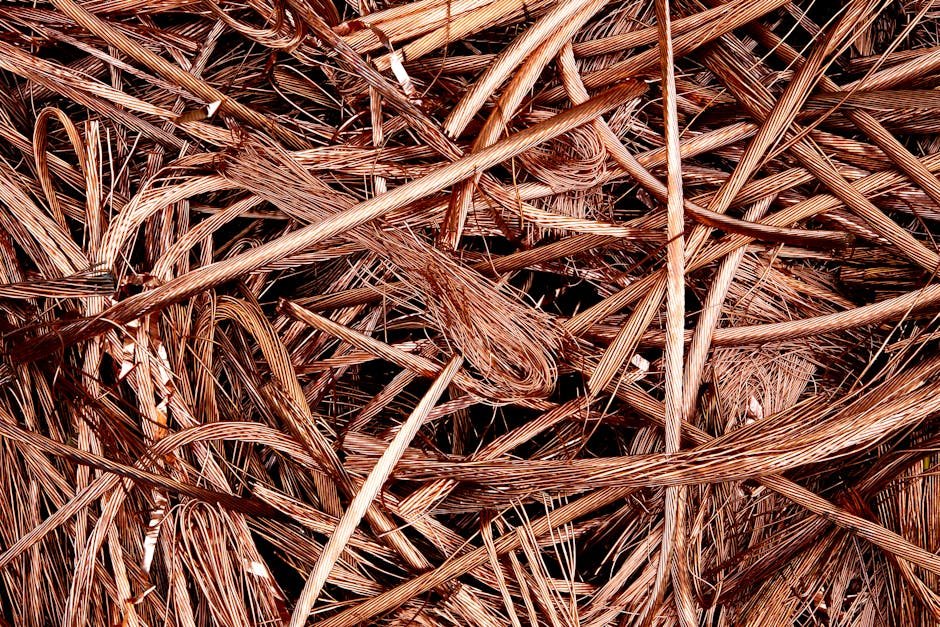

Understanding the scrap price copper today is essential for anyone looking to turn their metal waste into a profitable asset. Whether you are a tradesperson clearing out a job site or a homeowner with old plumbing fixtures, knowing how the market functions allows you to time your sales for maximum return. Copper is one of the most valuable non-ferrous metals in the recycling industry, and its price is influenced by a complex web of global economic factors, supply chain logistics, and industrial demand. By staying informed, you can navigate the market with confidence, ensuring you receive a fair price for your copper wire, copper pipe, and other salvaged materials.
Understanding the Drivers of the Scrap Price Copper Today
The scrap price copper today is not a static number; it is a reflection of the London Metal Exchange (LME) daily trading values. Because Australia is a major exporter of raw materials, our local metal prices today are heavily indexed against these global benchmarks. When you look at the copper price per kg, you are essentially looking at a local conversion of a global commodity price, adjusted for currency exchange rates (AUD to USD) and local processing costs.
Several factors influence these rates. Industrial growth in major economies, particularly in Asia, drives the demand for new copper production, which in turn elevates the value of recycled copper. Conversely, when global manufacturing slows, the demand for scrap decreases, leading to a dip in current scrap prices. Additionally, the strength of the Australian dollar plays a pivotal role. Since copper is traded globally in USD, a weaker Australian dollar can sometimes result in higher local prices for scrap sellers, even if the international market remains flat.
For those looking for real-time updates, checking Copper Scrap Price Per Kg Today Australia Live Market Rates is the best way to track these shifts. It is also worth noting that local scrap yards must account for their own operational overheads—such as transport, sorting, and processing—which is why the price you see at the yard might differ slightly from the raw LME spot price.
Categorising Copper: Understanding Grades and Their Value
To get the best price per kg, you must understand how scrap yards grade your material. Not all copper is created equal, and the level of contamination or processing required significantly impacts the final payout. If you are preparing a haul, knowing the difference between grades is your most powerful tool for increasing your profit margin.
- Bare Bright Copper: This is the gold standard of scrap copper. It consists of unalloyed, uncoated, and uninsulated wire—typically 16-gauge or thicker—that is free of any paint, varnish, or oxidation. Because it requires minimal processing, it fetches the highest current scrap prices.
- Number 1 Copper: This includes clean, unalloyed copper pipe and wire that is free of solder, paint, or other attachments. It is slightly less valuable than bare bright but still commands a premium.
- Number 2 Copper: This grade includes copper that has some level of contamination, such as soldered joints, thin paint, or minor oxidation. It is still highly valuable but requires more intensive cleaning at the recycling facility.
- Insulated Copper Wire: This is common in construction and electrical work. The value here depends on the “recovery rate”—the amount of pure copper metal that can be extracted once the plastic insulation is stripped away.
For more detailed information on how to prepare your materials, you can consult our Scrap Copper Price Per Kg Today: A Comprehensive Market Guide. Properly sorting your Scrap Copper before arriving at the yard will save you time and ensure you aren’t being paid at the lowest common denominator rate.
The Recycling Process: From Scrap to Commodity
The journey from your pile of old copper pipe to a recycled commodity is a sophisticated industrial process. Once you drop off your scrap, it is weighed and inspected. The yard then consolidates large quantities of material to be processed. This involves shredding, stripping insulation from copper wire, and using magnetic separation to remove ferrous contaminants. Once clean, the copper is melted down into ingots or billets, which are then sold to manufacturers to be turned into new products like electrical components, piping, or automotive parts.
This circular economy is vital for the environment. Recycling copper consumes up to 85% less energy than mining and refining virgin ore. By choosing to recycle, you are actively reducing the carbon footprint of the construction and manufacturing sectors. If you are ready to sell, find a reputable buyer by researching Scrap Copper Near Me Where To Sell Copper Scrap For The Best Price. Working with professional recyclers ensures your scrap is handled ethically and efficiently, supporting the broader Australian scrap metal trade ecosystem.
Maximising Your Returns
To truly master the market, you should treat your scrap collection like a business. Keep your grades separated. Do not mix your number 2 copper with your bare bright copper, as the yard will often pay you the lower rate for the entire batch if it is mixed. Keep your metal dry and clean; moisture and dirt add unnecessary weight and can lead to lower valuations. Finally, build a relationship with your local yard. Regular sellers who bring in clean, well-sorted material are often treated as preferred partners and may be offered better rates during market fluctuations.
Remember that the scrap price copper today is a snapshot in time. If you have a large volume, it pays to watch the trends over a few weeks. However, don’t hold out indefinitely for the perfect peak, as the costs of storage and the risk of market volatility can quickly offset potential gains. Stick to a consistent schedule of recycling, and you will find that over the long term, the returns are substantial. Whether you are a professional contractor or a weekend warrior, the value in your scrap is waiting to be unlocked.
Related: Scrap Copper
Frequently Asked Questions
Why does the scrap price copper today change so often?
The price fluctuates daily based on the London Metal Exchange (LME) global commodity market. Factors like international demand, currency exchange rates between the AUD and USD, and local supply chain logistics cause these constant shifts.
How can I get the highest price for my copper?
To get the best price, you must carefully sort your copper by grade, ensuring your bare bright copper is kept separate from number 2 copper. Removing insulation, paint, and solder before you sell will also significantly increase your payout per kilogram.
Does the insulation on copper wire affect the price?
Yes, insulated wire is valued based on its ‘recovery rate,’ which is the percentage of pure copper that can be extracted from the wire. Stripping the insulation yourself can increase the value, but many yards will still accept it as-is for a lower price.
Why is recycling copper better for the environment?
Recycling copper requires up to 85% less energy than mining and processing virgin copper ore. It reduces the need for destructive open-pit mining and significantly lowers the carbon emissions associated with metal production.