

Understanding the current iron scrap price is essential for anyone involved in the Australian demolition, construction, or manufacturing industries. As a commodity, ferrous scrap serves as the backbone of the global steel industry, and tracking the market rate requires a nuanced understanding of how supply chains function. Whether you are managing industrial waste or a small-scale collection, knowing the factors that dictate the price per kg is the first step toward maximizing your return on investment. For a detailed breakdown of current trends, consult the 2026 price for scrap iron in Australia – rates, grades & guide to ensure you are benchmarking your material correctly against current market standards.
The Mechanics of Iron Scrap Price Determination
The iron scrap price is not a static number; it is a dynamic figure derived from complex global interactions. At its core, the value of ferrous scrap is inextricably linked to the price of pig iron and the cost of iron ore. When steel mills in Asia—particularly China, Japan, and South Korea—increase their production, the demand for high-quality ferrous scrap spikes, driving up the domestic price per kg. Conversely, when global construction activity slows, demand wanes, and scrap yards often lower their buying rates to manage inventory risk.
Market rates are also heavily influenced by logistics. Because iron is a heavy, low-value commodity compared to precious metals, transport costs represent a significant portion of the final value. If you are operating at scale, understanding How To Price Scrap For Export Markets is critical, as international freight rates can make or break the profitability of a scrap shipment. Local scrap metal yards act as aggregators; they buy small volumes, process them into transportable grades, and consolidate them for bulk shipping. This processing cost—which includes shearing, torching, and baling—is deducted from the global commodity price to arrive at the rate paid to the supplier.
Classifying Ferrous Grades: Why Quality Matters
Not all iron is created equal, and scrap yards grade material based on its chemical composition, size, and density. High-grade scrap, such as heavy melting steel (HMS), is highly sought after because it is clean, free of contaminants, and ready for the furnace. In contrast, lower-grade scrap, often containing excessive rust, plastic, or rubber attachments, requires extensive cleaning, which lowers the price per kg offered to the seller. Understanding these grades is the difference between a premium payout and a base-rate offer.
Cast iron, for example, is a distinct category. It is brittle and contains higher carbon content than standard structural steel, making it valuable for specific foundry applications. If you are sorting your scrap, keeping cast iron separate from light gauge sheet metal is a pro-tip that can significantly increase your total revenue. Similarly, while this guide focuses on iron, you should always be aware of the value of other metals in your haul. For instance, comparing your yield against the Aluminum Scrap Price In 2026 or checking the Stainless Steel Scrap Price can help you diversify your income streams from a single site cleanup.
The Lifecycle of Iron Recycling in Australia
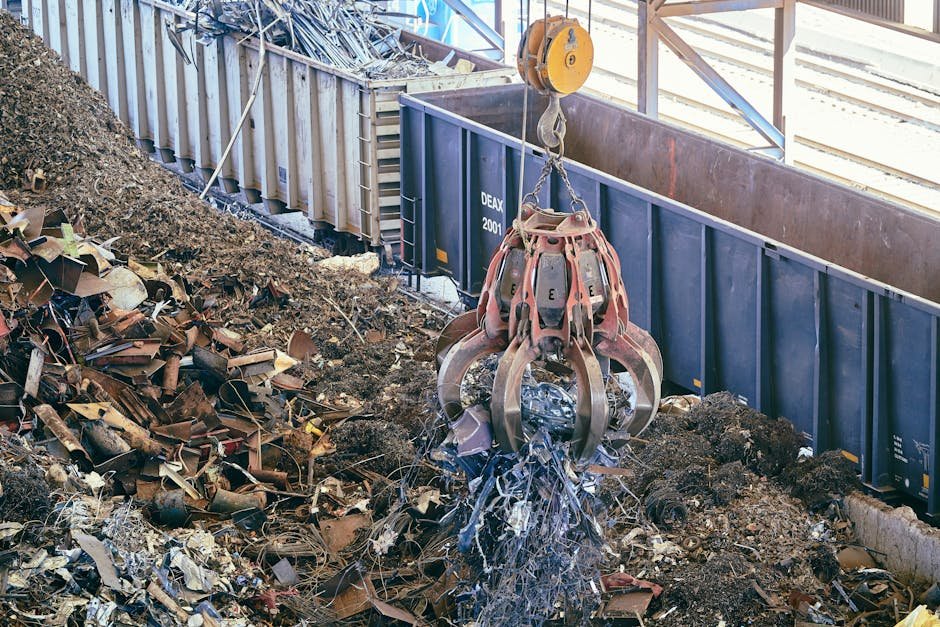
Recycling iron is a sophisticated industrial process that begins long before the metal hits the furnace. Once scrap reaches a facility like those managed by professional scrap metal recyclers, it undergoes a rigorous sorting process. Magnetic separation is the first line of defense, effectively pulling ferrous materials from mixed waste streams. Once sorted, the material is processed into specific sizes. Shearing machines cut large beams into manageable lengths, while hydraulic balers compress light sheet metal into dense cubes that are easier to transport and feed into electric arc furnaces (EAFs).
The EAF is the heart of the modern recycling economy. By using electricity to melt down steel scrap, manufacturers can produce new steel with a fraction of the energy required to refine iron ore. This is a crucial point for commercial entities looking to improve their environmental, social, and governance (ESG) scores. Every tonne of recycled iron saves approximately 1.5 tonnes of iron ore and significantly reduces the carbon footprint associated with primary steel production. By participating in this circular economy, you are not just liquidating assets; you are contributing to a more sustainable industrial future.
Factors Influencing Metal Prices Today
To predict where the iron scrap price might head next, you must look at the macro-economic indicators. Energy prices are a major factor; since melting scrap is energy-intensive, spikes in electricity or natural gas prices can force mills to reduce production, leading to a temporary dip in scrap demand. Furthermore, currency fluctuations play a role. Because most international scrap trade is conducted in USD, a weak Australian dollar can actually increase the local price per kg for exporters, as the conversion back to AUD yields a higher return for the same volume of material.
Another factor is the rise of ‘green steel’ initiatives. As governments impose stricter carbon taxes, the demand for recycled steel—which is inherently lower in carbon than virgin steel—is expected to rise. This structural shift in the market is likely to create a long-term floor for the price of high-quality, clean ferrous scrap. Suppliers who can provide ‘clean’ material, free of contaminants like copper wiring or toxic coatings, will be better positioned to capture this premium as mills prioritize feedstock that requires less processing and emits less CO2 during the melting phase.
Practical Tips for Maximizing Scrap Revenue
If you are looking to maximize your returns, preparation is everything. First, never mix your grades. A load of clean, heavy structural steel is worth significantly more than a mixed load containing light gauge iron and debris. If you have a large volume, consider investing in basic sorting tools, such as a magnet, to ensure your ferrous material is not contaminated with non-ferrous metals like copper or aluminum, which can actually be seen as contaminants by some mills. Second, build a relationship with a reputable local yard. They are more likely to offer competitive rates to regular, reliable suppliers who bring in clean, well-sorted material.
Third, keep an eye on market cycles. While you cannot always time the market, avoiding selling during periods of extreme global volatility can save you from selling at the bottom of a dip. Use reputable resources like the leading industry portal for scrap traders to monitor daily fluctuations and understand the broader economic context. Finally, consider the logistics of your operation. If you are generating scrap in large quantities, the cost of transport can be mitigated by using your own equipment or coordinating pickups with yards that offer bin services. Reducing the ‘middleman’ costs in your logistics chain is often the most effective way to improve your net margin.
Case Example: Industrial Site Cleanup
Consider a hypothetical demolition project in Western Australia. The contractor has several hundred tonnes of mixed ferrous scrap, including structural beams, rebar, and sheet metal. By simply separating the heavy structural steel from the lighter, lower-value sheet metal, the contractor can command two distinct price points. If they were to sell it all as ‘mixed scrap,’ they would receive the lowest common denominator price. By sorting, they increase their yield by an estimated 15-20%.
Furthermore, by identifying high-value items like cast iron machinery components separate from the general rebar, they capture additional value. This contractor also utilized a local yard that provided on-site bins, saving them the cost of hiring external haulage. By treating scrap as a revenue stream rather than a waste management expense, the contractor effectively offset a significant portion of their demolition labor costs. This is the hallmark of a mature approach to industrial waste management: treating every kilogram of metal as a financial asset that requires strategic handling.
Conclusion: The Future of the Ferrous Market
The iron scrap price is a barometer for global industrial health. As we look toward the future, the integration of digital tracking, improved sorting technology, and the global push for decarbonization will continue to reshape the market. For the Australian seller, the opportunity lies in high-quality sourcing and strategic partnerships. By understanding the grades, monitoring the market, and optimizing your logistics, you can ensure that your operation remains profitable in any economic climate. Keep learning, keep sorting, and always keep an eye on the global trends that drive the value of your material.
Frequently Asked Questions
What is the most important factor in determining the price of iron scrap?
The most significant factor is the global demand for steel production, specifically in major manufacturing hubs. When steel mills increase production, they require more scrap as feedstock, which drives up the market rate.
How can I get the best price for my iron scrap?
The best way to maximize returns is to sort your material by grade and ensure it is free of contaminants like plastic, rubber, or non-ferrous metals. Clean, well-sorted loads are always valued higher by recyclers than mixed or dirty scrap.
Does the iron scrap price change daily?
While the base commodity price is influenced by long-term market trends, local scrap yards may adjust their buying rates daily or weekly based on inventory levels and logistics costs. It is advisable to check current rates with your local yard before delivering large quantities.
Why is cast iron priced differently than structural steel?
Cast iron has a higher carbon content and different physical properties, making it suitable for specific foundry applications rather than standard steel production. Because it requires different handling and processing, it is often categorized and priced as a separate grade.