
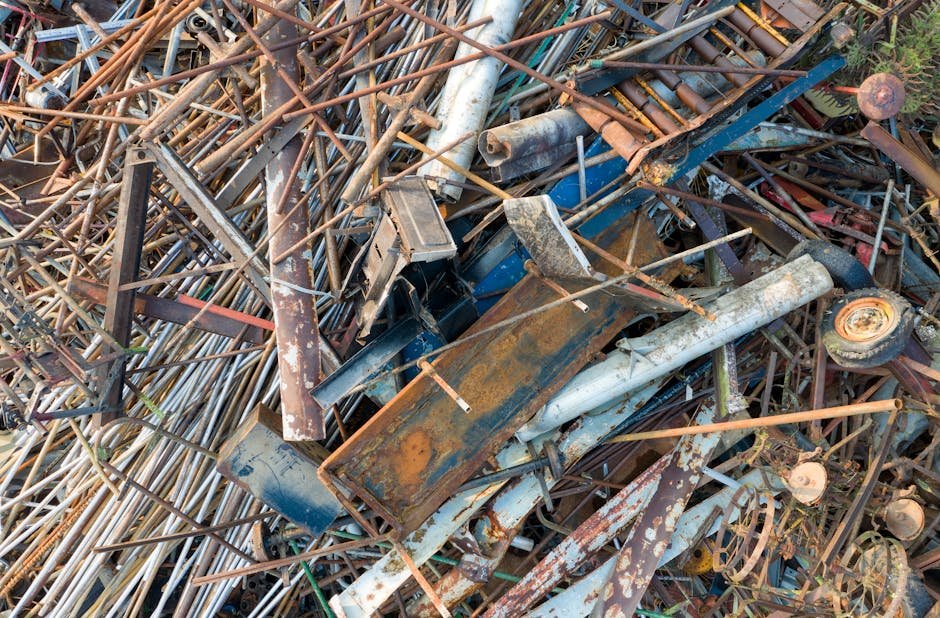

Executing a profitable metal scrap sale requires more than just gathering old metal; it demands an understanding of metallurgical grades, market timing, and the logistics of supply chain management in Australia. Whether you are an industrial contractor clearing a site or a homeowner with a collection of copper piping, the process of turning scrap into capital is governed by strict industry standards. This guide provides a comprehensive overview of how to maximize your returns while contributing to the circular economy. For those looking for local expertise, finding a reliable Metal Scrap Yard Near Me is the first step toward professional processing and fair market valuation. As you navigate the complexities of the industry, refer to A Complete Guide to Sale Metal Scrap: Recycling & Trading to ensure you are following best practices for sorting and safety.
Understanding Metal Scrap Grades and Classification
The foundation of any metal scrap sale is the accurate identification and classification of materials. Metal recyclers categorize scrap into two primary groups: Ferrous and Non-Ferrous. Ferrous metals, such as iron and steel, are magnetic and generally hold a lower price point per kilogram due to their abundance. Non-ferrous metals, including copper, aluminum, brass, and stainless steel, are non-magnetic and significantly more valuable. Within these categories, grades are further refined based on purity, thickness, and the presence of contaminants like plastic, rubber, or other alloys.
Copper is the gold standard of the scrap industry. It is graded based on its cleanliness and oxidation levels. ‘Bright and Shiny’ copper, which is stripped of all insulation and paint, commands the highest market rate. Conversely, ‘Burnt’ or ‘Insulated’ copper carries a lower value because the recycling facility must invest additional energy and labor to process it. Aluminum is similarly graded, with ‘Extrusion’ (frames and window sills) and ‘Cast’ (engine parts) being the most sought-after forms. Understanding these nuances allows you to sort your materials before arrival, which significantly increases your payout.
For industrial clients, dealing with Crg Scrap Metal provides a streamlined path to processing large volumes of mixed scrap. These facilities utilize advanced spectroscopic technology to identify alloy compositions instantly, ensuring that you are paid correctly for high-grade stainless steel or specialized aerospace alloys. Always aim to keep your loads segregated; mixing grades often results in the entire batch being valued at the rate of the lowest-quality component present.
How the Metal Recycling Process Works
Once your metal scrap sale is finalized, the material enters a sophisticated industrial loop designed to minimize energy consumption and raw material extraction. The recycling journey typically begins with collection and sorting. At the yard, heavy-duty magnets are used to separate ferrous metals from the stream, while eddy current separators are employed to isolate non-ferrous materials like aluminum and copper from non-metallic debris.
Following sorting, the metal is shredded or sheared to reduce its volume and increase its surface area. This physical reduction is critical for the melting process. The shredded metal is then fed into industrial furnaces. Because recycling metal requires significantly less energy than refining virgin ore—for example, recycling aluminum saves approximately 95% of the energy required to produce it from bauxite—this stage is a cornerstone of global carbon reduction strategies. The molten metal is then cast into ingots, billets, or slabs, which are shipped to manufacturers to be forged into new products, effectively closing the loop.
The efficiency of this process is heavily reliant on the cleanliness of the incoming scrap. Contaminants such as lead solder on copper pipes or plastic coatings on wiring can degrade the quality of the final melt. By preparing your scrap—stripping wires and removing non-metallic attachments—you are not only increasing your immediate profit but also ensuring the high quality of the recycled output. You can track current market trends and verify the value of your sorted materials by checking Scrap Metal Prices regularly.
The Environmental and Economic Benefits of Recycling
The environmental impact of the scrap metal industry is profound. By choosing to recycle rather than landfilling, you are directly preventing heavy metals from leaching into the soil and groundwater. Furthermore, the mining of virgin metals is an incredibly resource-intensive process that destroys habitats and consumes vast quantities of water. Recycling provides a sustainable alternative that supports Australia’s transition to a circular economy.
Economically, the scrap trade acts as a vital barometer for the health of the manufacturing sector. When demand for recycled steel and copper is high, it typically reflects robust infrastructure development and construction activity. For businesses, selling scrap is an effective way to offset operational costs. By integrating scrap management into your waste disposal strategy, you turn a potential liability—the cost of waste removal—into a revenue stream. This is a practice championed by leading industry players like Scrap Trade Australia, who emphasize the importance of professional logistics in the recycling supply chain.
Beyond the immediate financial return, there is a significant reduction in carbon emissions. The energy saved from recycling one ton of steel is enough to power an average home for several months. By participating in the scrap market, you are an active stakeholder in the global effort to decarbonize the industrial sector. This role is increasingly important as ESG (Environmental, Social, and Governance) mandates become standard for Australian businesses.
Strategic Tips for Maximizing Your Payout
To maximize your returns, timing is everything. Scrap prices fluctuate daily based on global commodity markets, including the London Metal Exchange (LME). While you cannot control the market, you can control when you sell. If you have the storage capacity, accumulate your scrap and wait for periods of high market demand. Large-scale industrial suppliers often use hedging strategies to lock in prices, but for smaller operators, monitoring the market and selling during peak cycles is the most effective approach.
Another strategic consideration is logistics. Transporting heavy loads of metal is costly. If you have significant volumes, look for recyclers that offer scrap bin services or pick-up logistics. This reduces your overhead and ensures that your scrap is handled safely and efficiently. Never underestimate the value of building a relationship with a specific yard. Consistent suppliers are often given priority service and may be eligible for better pricing tiers based on the volume and quality of their deliveries.
Finally, focus on safety and compliance. Scrap yards are industrial environments with heavy machinery and sharp materials. Always wear appropriate PPE, including high-visibility vests, steel-capped boots, and gloves. Ensure that your scrap is free from hazardous materials like gas bottles, sealed containers, or radioactive components, as these can cause severe safety incidents and lead to your load being rejected. Compliance with local environmental regulations is not just a legal requirement; it is a mark of a professional trader.
Navigating the Future of the Scrap Industry
The future of the metal scrap industry in Australia is tied to technology and automation. We are seeing a shift toward AI-driven sorting systems that can identify complex alloys with unprecedented accuracy. This means that the ‘purity’ of your scrap will become even more important as processors move toward automated systems that require high-precision input. As a seller, staying informed about these technological shifts will help you align your preparation methods with the requirements of the modern recycling facility.
Furthermore, the push for ‘Green Steel’—steel produced using renewable energy—is increasing the demand for high-quality recycled scrap. Recycled steel is a critical component in the production of low-carbon steel, as it requires less energy to melt than iron ore. This means that your high-grade ferrous scrap is becoming a strategic asset in the global race to meet net-zero targets. By ensuring your scrap is clean and well-sorted, you are contributing to a high-value supply chain that is essential for the future of sustainable construction and manufacturing.
As you continue your journey in the scrap trade, remain curious about the global supply chain. Understand how international trade policies, shipping costs, and geopolitical stability impact the price of metals in your local yard. The more you understand the ‘why’ behind the price, the better you will be at predicting the ‘when’ for your next sale. Whether you are a small-scale recycler or an industrial supplier, the scrap metal industry offers a unique intersection of environmental stewardship and financial opportunity. By treating your scrap as a valuable resource rather than waste, you are positioning yourself for long-term success in one of Australia’s most essential industries.
In conclusion, the metal scrap sale process is an intricate balance of preparation, market knowledge, and strategic partnerships. By focusing on the purity of your grades, utilizing the right facilities, and staying informed about market conditions, you can turn your scrap metal into a consistent revenue stream. Remember to always prioritize safety and environmental compliance, and leverage the tools and resources available to stay ahead of the curve. The circular economy is growing, and your involvement is a vital part of that growth.
Related: Crg Scrap Metal
Frequently Asked Questions
What is the difference between ferrous and non-ferrous scrap?
Ferrous metals contain iron and are magnetic, such as steel and iron, and generally have a lower market value. Non-ferrous metals do not contain iron, are non-magnetic, and include high-value materials like copper, brass, and aluminum.
How can I get the best price for my scrap metal?
To maximize your price, ensure your scrap is clean, sorted by metal type, and free of contaminants like plastic or rubber. Monitoring market trends and selling during periods of high demand can also significantly increase your returns.
Why is it important to remove insulation from copper wire?
Removing insulation classifies the copper as ‘bright and shiny’ or ‘bare bright,’ which commands a significantly higher price than insulated wire. Recyclers pay more for clean copper because it requires less processing labor and energy to refine.
Are there items I cannot sell as scrap metal?
Yes, you cannot sell hazardous items such as sealed pressure vessels, gas cylinders, radioactive materials, or items containing asbestos. Always check with your local scrap yard regarding their specific acceptance policies for safety and legal compliance.