

Navigating the volatile landscape of the galvanized steel scrap price requires a deep understanding of the Australian ferrous metal market and the global economic forces that dictate value. As a primary form of recyclable material, galvanized steel—which is essentially mild steel coated with a protective layer of zinc—serves as a cornerstone for construction, manufacturing, and infrastructure projects across the country. Whether you are a demolition contractor, a metal fabricator, or an industrial recycler, knowing how to maximize your return on investment depends on your ability to track fluctuating market rates and understand the grading criteria used by local yards. For those looking to diversify their portfolio, it is also useful to compare these trends against the Stainless Steel Scrap Price, which often commands a higher premium due to its alloy composition.
Understanding Market Dynamics and Pricing Factors
The price per kg for galvanized scrap is rarely static. It is tethered to the global benchmark for steel, which is influenced by iron ore prices, coking coal availability, and the massive industrial output of nations like China and India. When you look at metal prices today, you are seeing a snapshot of complex supply chain interactions. Galvanized steel is categorized as a ferrous metal, meaning it is magnetic and contains iron. However, the presence of the zinc coating introduces a layer of complexity; while zinc is valuable, it can be considered a contaminant in high-purity steel smelting furnaces. Consequently, the value of your scrap is determined by the cost of removing or managing this zinc during the recycling process. If you are preparing large volumes of material, it is essential to consult a professional scrap metal recycling partner to ensure your material is graded correctly. You can learn more about the broader market context in our Scrap Steel Price Per Kg A Complete Guide For Sellers, which provides a foundational look at how weight and purity impact your bottom line.
The Grading Process: What Determines Value?
Not all galvanized scrap is created equal. Recyclers classify material based on thickness, size, and the amount of surface contamination. Heavy gauge galvanized steel, such as structural beams or thick plate, is generally more valuable than light gauge sheet metal or wire because it is easier to handle and process in a shredder. The zinc coating thickness is another critical factor. While heavy galvanizing provides better corrosion protection for the end-user, it can sometimes complicate the recycling process if the ratio of zinc to steel is too high. Yard operators look for ‘clean’ material, meaning scrap that is free from concrete, wood, plastic, or excessive rust. If you are dealing with mixed metals, remember that separating your Aluminum Scrap Price In 2026 materials from your ferrous steel will prevent downgrading of your load, ensuring you receive the highest possible price per kg for each category.
The Lifecycle of Galvanized Steel Recycling
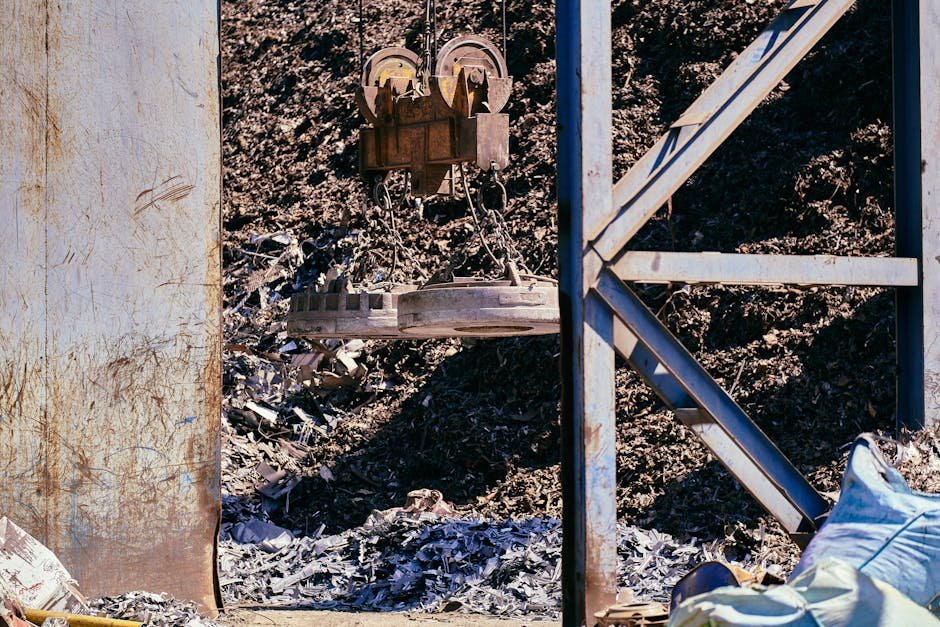
Recycling galvanized steel is an energy-efficient process that significantly reduces the environmental footprint of new steel production. When you bring your scrap to a processing facility, the material is first sorted and cleaned. High-powered magnets are used to separate ferrous metals from non-ferrous contaminants. Once sorted, the galvanized steel is shredded into smaller pieces to increase its surface area, which facilitates the melting process. During the electric arc furnace (EAF) stage, the steel is melted down. Advanced filtration systems are employed to capture the zinc fumes, which are then recovered as zinc oxide or other valuable by-products. This circular economy approach ensures that the zinc is not lost but rather repurposed, while the steel is cast into new ingots for construction or automotive manufacturing. By participating in this system, you are helping to reduce the need for virgin iron ore extraction, which is one of the most carbon-intensive processes in the industrial sector.
Strategic Tips for Sellers: Maximizing Your Return
To get the best galvanized steel scrap price, timing and preparation are everything. First, accumulate enough volume before transport. Most yards offer better rates for larger quantities because it lowers their logistical costs. Second, clean your scrap. Removing non-metallic attachments like bolts, rubber seals, or concrete chunks can move your scrap from a lower ‘mixed’ grade to a higher ‘clean’ grade, which can result in a significant percentage increase in your payout. Third, monitor regional trends. Prices in Western Australia may differ from those in New South Wales due to shipping costs and local industrial demand. Always check Scrap Price Galvanized Steel: Current Market Values & Guide to stay updated on the most recent industry reports. Finally, build a relationship with a reputable buyer. Consistent, high-quality loads will eventually grant you access to better pricing tiers that are not advertised to the general public.
Environmental and Economic Benefits of Recycling
The recycling of galvanized steel is a pillar of sustainable industrial practice. Every tonne of recycled steel saves approximately 1.5 tonnes of iron ore and 500kg of coal. Beyond the raw resource savings, the energy required to recycle steel is 75% less than the energy required to produce steel from virgin materials. This efficiency is critical for Australia’s commitment to lowering industrial carbon emissions. Economically, the recycling industry provides thousands of jobs across regional and metropolitan Australia. By selling your scrap, you are supporting a local supply chain that turns waste into a valuable resource, keeping materials out of landfills and reducing the environmental impact of urban development. As the world moves toward a more circular economy, the demand for high-quality, recycled steel is expected to grow, potentially stabilizing the galvanized steel scrap price over the long term.
Global Trends and Future Outlook
The future of the galvanized steel market is closely tied to the transition toward green energy. As the demand for renewable energy infrastructure—such as wind turbine towers and solar racking systems—increases, so too does the demand for galvanized steel. This creates a robust demand for recycled steel, which is often preferred by ‘green’ steel initiatives looking to lower their embodied carbon. Investors and traders should keep a close eye on the Australian dollar, as a weaker dollar can make exported scrap more competitive, while a stronger dollar may keep more material within the domestic market. Understanding these macro-economic shifts is just as important as knowing the daily price per tonne. By staying informed and maintaining high standards for your scrap collection, you position yourself to benefit from the ongoing evolution of the global metal trade.
Frequently Asked Questions
Why is galvanized steel priced differently than standard mild steel?
Galvanized steel contains a zinc coating that must be processed separately during the melting phase. While the zinc is valuable, its presence adds a layer of complexity to the smelting process, which can influence the final price per kg.
How can I get the best price for my galvanized scrap?
You can maximize your returns by sorting your scrap to remove non-metallic contaminants like concrete or wood and by accumulating larger volumes before selling. Establishing a long-term relationship with a reputable local yard often grants you access to better pricing tiers.
Does the grade of galvanized steel affect its value?
Yes, heavy gauge galvanized steel is generally more valuable than thin-gauge sheet metal or wire. Heavier material is more efficient to transport and process, leading to higher buy-back rates from scrap yards.
Is recycling galvanized steel environmentally friendly?
Absolutely. Recycling steel requires 75% less energy than producing new steel from iron ore and significantly reduces carbon emissions and landfill waste. It is a vital component of the circular economy in the Australian industrial sector.