

When searching for steel scrap buyers near me, you are entering a complex global market that hinges on logistics, purity, and current commodity benchmarks. Whether you are a construction firm clearing a site, a manufacturer with industrial offcuts, or a local tradesperson, understanding the nuances of the ferrous metal market is essential for profitability. Australia’s scrap industry is highly regulated, and navigating it requires knowledge of how scrap steel is processed, graded, and ultimately exported or reused in domestic foundries. This guide serves as your definitive resource for identifying trusted dealers and understanding the life cycle of your metal.
The Landscape of Ferrous Metal Recycling in Australia
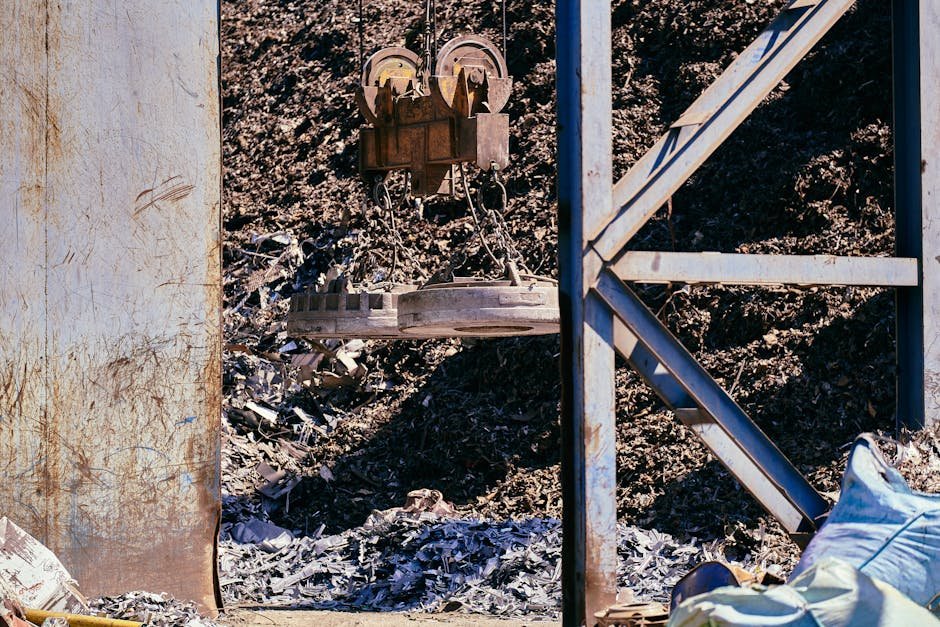
Ferrous metal, which includes iron and steel, constitutes the largest volume of recycled material in Australia. Unlike non-ferrous metals such as copper or aluminium, steel is traded in high volumes, making the steel price per tonne a critical factor in your bottom line. The process begins at a local scrap yard where material is collected, sorted, and prepared for processing. Most yards utilize heavy-duty shears, balers, and shredders to reduce the volume of the metal, making it easier to transport to domestic mills or shipping ports for international export.
For those looking to optimize their sales, it is vital to consult our Scrap Steel Comprehensive Guide For Sellers And Buyers. This resource details the specific requirements for various grades, ensuring that you do not lose money by mixing high-value alloys with low-value mild steel. The Australian market is currently experiencing a shift toward higher sustainability standards, meaning that buyers are increasingly prioritizing clean, sorted, and non-contaminated loads. If you are aiming for scale, you might also be interested in How To Attract International Scrap Buyers to move larger volumes of material beyond the local market.
Understanding Steel Grades and Their Value
Not all scrap steel is created equal. The value of your material depends entirely on its chemical composition and physical state. Mild steel, the most common form of carbon steel, is widely used in construction beams, rebar, and piping. Because it is abundant, it generally commands a lower price point than specialized alloys. However, the market for high-grade stainless steel is significantly different, as detailed in our analysis of the Stainless Steel Scrap Price.
When you visit a yard, you will encounter several industry-standard classifications:
- Heavy Melting Steel (HMS 1 & 2): The benchmark grade for the global steel industry. HMS 1 consists of thicker sections, while HMS 2 includes thinner, rusted, or galvanized pieces.
- Turnings and Borings: By-products of machining processes. These are often lower in value due to potential contamination from cutting oils or fluids.
- Sheet Steel: Thin, flat pieces often found in appliance manufacturing or automotive bodies.
- Cast Iron: Brittle and heavy, this is highly valued by foundries for its high carbon content.
To ensure you are getting the best deal, always ask your local buyer about their current grading criteria. A trusted dealer will be transparent about why a load might be downgraded, typically due to excessive rust, non-metallic debris, or the presence of non-ferrous contaminants like copper wiring or lead.
How to Find and Vet Trusted Dealers
Finding steel scrap buyers near me should not be a game of chance. You need a partner who operates with integrity, uses calibrated weighbridges, and offers competitive, market-linked pricing. Start by verifying the company’s credentials. A legitimate operator will be registered with relevant environmental protection agencies and will have a clear, documented process for handling hazardous materials that may be attached to scrap, such as oils or paints.
For a curated list of reputable providers, refer to Trusted Scrap Steel Buyers: The Ultimate Guide. When vetting a potential buyer, ask the following questions:
- Are your scales verified by the National Measurement Institute?
- Do you provide a detailed receipt listing the weight and grade of each material type?
- What is your current lead time for payment?
- Do you offer bin collection services for industrial sites?
Reliability is key. A professional yard will prioritize long-term relationships over one-off transactions. If you are operating in the Australian domestic market, check out Scrap Trade Australia for localized insights and networking opportunities with established recyclers.
The Economics of Steel Recycling
The price you receive for your scrap steel is rarely static. It fluctuates based on global demand, particularly from major steel-producing nations like China, South Korea, and India. When global production increases, the demand for high-quality scrap rises, driving up the price per tonne. Conversely, when the construction sector slows down, scrap prices may dip as mills reduce their input requirements.
To maximize your revenue, consider the following strategies:
- Volume Aggregation: Yards often offer better pricing for larger, consistent loads. If you generate small amounts of scrap, consider stockpiling until you have a full truckload.
- Separation at Source: The cost of labor to sort mixed loads is often deducted from your payment. By separating your mild steel from your stainless or cast iron at your own site, you command a higher price for the premium materials.
- Cleanliness: Remove non-metallic attachments like plastic, rubber, or wood. Clean steel is processed faster and is more desirable to mills, leading to better premiums.
Understanding these market mechanics allows you to time your sales. If you have the storage capacity, selling during a market peak can yield significantly higher returns than selling during a seasonal slump.
Environmental Benefits and the Circular Economy
Beyond the financial incentives, recycling steel is one of the most effective ways to reduce industrial carbon footprints. Producing steel from iron ore is an energy-intensive process that requires massive amounts of coal and produces significant greenhouse gas emissions. Recycling scrap steel uses approximately 75% less energy than producing virgin steel from raw ore. Furthermore, every tonne of recycled steel saves over a tonne of iron ore, 600kg of coal, and 150kg of limestone.
When you choose to recycle with a nearby recycler, you are actively participating in the circular economy. This process reduces the need for landfill space and minimizes the environmental degradation caused by open-cut mining. As Australia moves toward net-zero targets, the role of the scrap industry becomes increasingly vital. Responsible recycling is no longer just a business decision; it is a corporate social responsibility imperative that resonates with clients and stakeholders alike.
Logistics and Safety: Practical Considerations
Safety is the most overlooked aspect of scrap trading. Handling heavy steel beams, sharp offcuts, and industrial machinery requires strict adherence to OHS protocols. Always wear appropriate PPE, including gloves, steel-capped boots, and high-visibility clothing when visiting a yard. If you are transporting large quantities, ensure your load is properly secured and that your vehicle is rated for the weight of the steel.
Furthermore, consider the logistics of the transaction. If you are a high-volume producer, look for a buyer who provides on-site bin services. This eliminates the need for you to transport the material yourself, saving on fuel, vehicle wear and tear, and labor costs. Most professional buyers will provide a bin, collect it when full, and provide a detailed weight report, streamlining your operations and ensuring you remain focused on your core business.
Conclusion: Optimizing Your Scrap Strategy
The search for steel scrap buyers near me is the first step toward turning waste into a revenue stream. By treating your scrap as a valuable commodity rather than a disposal problem, you can significantly improve your project margins. Remember that the market rewards those who are organized, transparent, and informed. Whether you are dealing with mild steel or complex alloys, the key is to build a relationship with a trusted dealer who understands your specific needs and provides consistent, fair pricing.
As you continue to refine your recycling strategy, keep an eye on market trends and leverage the resources available to you. The Australian scrap industry is robust and full of opportunity for those willing to engage with it professionally. By following the best practices outlined in this guide, you will ensure that you are not only getting the best possible return on your investment but also contributing to a more sustainable future for the Australian manufacturing and construction sectors.
Frequently Asked Questions
How do I ensure I am getting the best price for my steel scrap?
To get the best price, sort your scrap by grade, keep it free of contaminants like wood or plastic, and accumulate enough volume to justify a higher price per tonne. Always compare quotes from multiple local buyers and check current market trends for ferrous metals.
What is the difference between ferrous and non-ferrous scrap?
Ferrous metals, such as steel and iron, contain iron and are magnetic; they are generally traded in higher volumes at lower prices. Non-ferrous metals, like copper, aluminium, and brass, do not contain iron and typically command a much higher price per kilogram due to their scarcity and specialized recycling processes.
Do I need to clean my scrap before taking it to a yard?
Yes, cleaning your scrap is highly recommended. Removing non-metallic materials like rubber, concrete, or glass increases the purity of your load, which prevents the buyer from downgrading your material or charging a processing fee.
How do local scrap yards determine the value of my load?
Yards determine value based on the weight of the material, the specific grade of the metal, and the current global commodity price. They use certified weighbridges to ensure accuracy and will often adjust pricing based on the cleanliness and volume of the delivery.